Siberia: Geography, History, and the Natural Wonders of Northern Asia
Siberia is a vast geographical region in Russia, spanning the immense expanse of Northern Asia. Known for its extreme climates, untouched wilderness, and strategic importance, it is one of the largest and most diverse regions on Earth. From the frozen tundra of the north to the temperate steppes of the south, Siberia represents a critical intersection of natural beauty and industrial power.
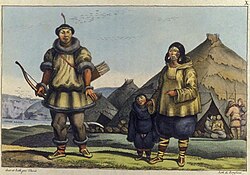
Historically, the region has been home to a variety of indigenous peoples and sovereign states, including the Mongol Empire and the Khanate of Sibir, before becoming a central part of the Russian Empire and later the Soviet Union. Today, it remains a cornerstone of the Russian Federation's economy and territorial identity.
![Horseman hunting, with characteristic Xiongnu horse trappings, southern Siberia, 280–180 BC. Hermitage Museum.[17][18][19]](/images/53/a0/53a0e93ee6b4334d293222c871edd4442c7250fbe79d8019dfddedc1bfa024f5.jpg)
Key Facts
- Total Area: Approximately 13,100,000 square kilometers.
- Population: Roughly 36.8 million people (2023).
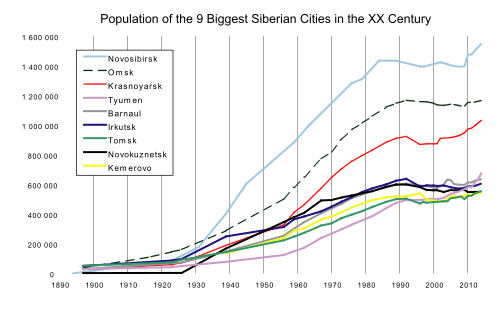
- Largest City: Novosibirsk.
- GDP: ₽ 41.783 trillion (approximately USD 610 billion as of 2022).
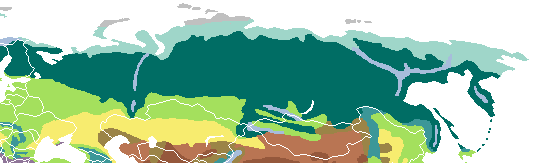
- Primary Vegetation: Dominated by the taiga (coniferous forests).
- Key Water Body: Lake Baikal, the world's deepest freshwater lake.
Geography and Geomorphology
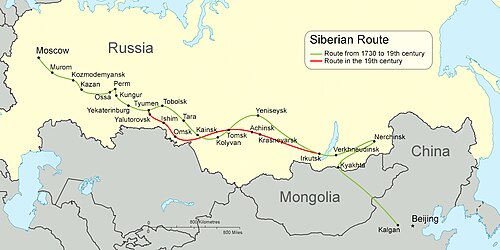
Siberia is divided into three primary sections: Western Siberia, Central Siberia, and Eastern Siberia. The landscape is defined by a variety of geomorphological regions, including the West Siberian Lowland, the Central Siberian Plateau, and the East Siberian Lowland.
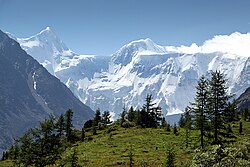
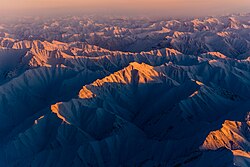
The region is crisscrossed by massive river systems and mountain ranges. Major rivers such as the Ob, Yenisey, and Lena flow northward toward the Arctic Ocean, while the Altai, Sayan, and Verkhoyansk mountains define the rugged terrain of the south and east.
Lakes and Mountains
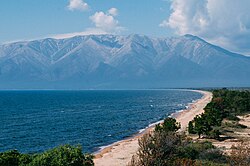
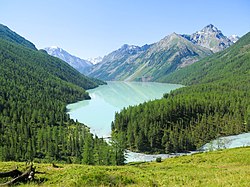
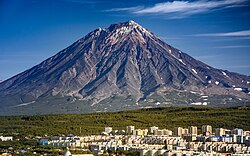
Lake Baikal stands as the most prominent hydrological feature of the region. Other significant mountain ranges include the Ural Mountains, which mark the boundary between Europe and Asia, and the Koryak Mountains in the far east.
Climate and Vegetation
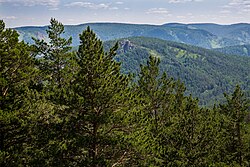
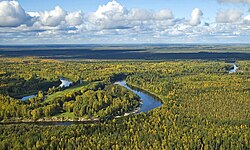
Siberia is famous for its harsh winters and short, warm summers. The vegetation is stratified by latitude: the northern fringe consists of tundra (treeless plains in Arctic regions), the vast interior is covered by taiga (boreal forests), and the south features temperate forests and steppes.
| Month | Mean Max Temp (°C) | Mean Min Temp (°C) | Avg Precipitation (mm) |
|---|---|---|---|
| January | −12.2 | −20.1 | 19 |
| July | 25.7 | 14.7 | 72 |
| October | 6.8 | 0.0 | 38 |
| Yearly Avg | 7.0 | −2.3 | 442 |
Flora and Fauna
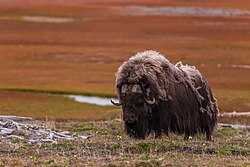
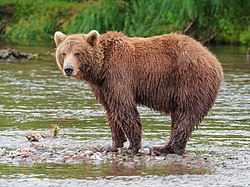
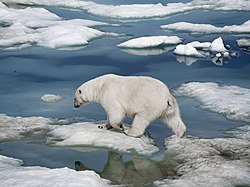
The diverse ecosystems of Siberia support a wide array of specialized wildlife. The forests are home to the Siberian tiger, Eurasian lynx, and brown bear, while the northern tundra is the domain of the polar bear and muskox.
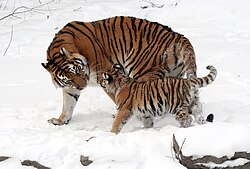
Mammals and Birds
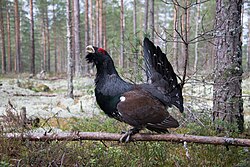
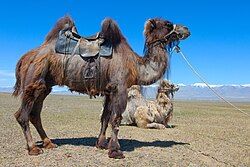
Notable mammals include the Bactrian camel in the Altai range and the sable in the taiga. The avian population is equally diverse, featuring various species of capercaillies, ptarmigans, and the Siberian grouse.
Botanical Diversity
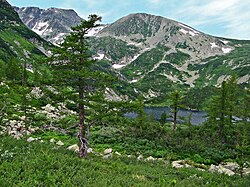
The flora is dominated by hardy conifers. The Siberian larch (Larix sibirica) and Larix gmelinii are among the most prominent tree species capable of surviving the extreme cold.
Demographics and Urban Centers
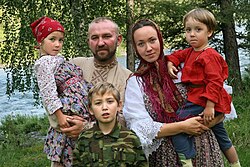
Siberia's population is sparsely distributed, with a density of approximately 2.8 people per square kilometer. The majority of the population is of Slavic ethnicity (86.2%), followed by Turkic (8.1%) and Mongolic (2.1%) groups.
Major Cities
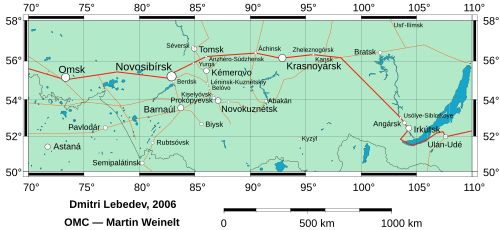
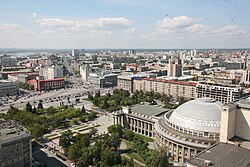
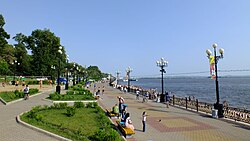
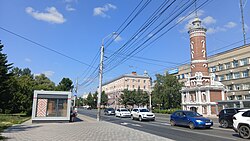
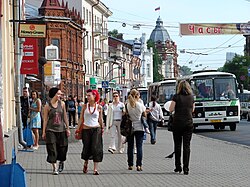
- Novosibirsk: The largest city and a major industrial and scientific hub.
- Omsk: The third largest city in the region.
- Tomsk: One of the oldest cities, founded in 1604.
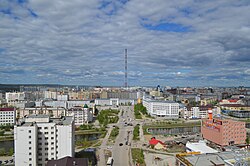
- Yakutsk: The capital of the Sakha Republic and one of the coldest cities in the world.
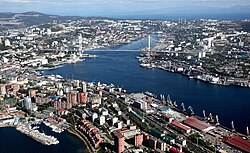
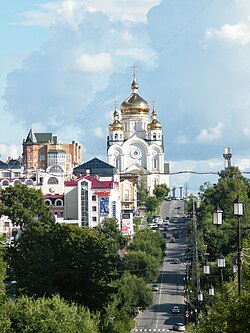
- Vladivostok: A critical port city in the Primorsky Krai.
Economy and Infrastructure
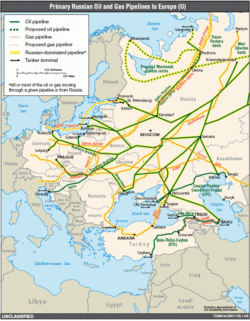
The Siberian economy is heavily reliant on the extraction of natural resources. It is a global leader in the production of oil, natural gas, and minerals such as nickel. Extensive pipeline networks transport these resources across the continent.
Frequently Asked Questions

What is the largest city in Siberia?
Novosibirsk is the largest city in the region, serving as a major administrative and economic center.
What are the primary vegetation zones in Siberia?
Siberia consists primarily of taiga (coniferous forests), with a tundra belt in the north and temperate forests and steppes in the south.
Which animals are characteristic of the Siberian wilderness?
Key species include the Siberian tiger, brown bear, polar bear, muskox, and the Bactrian camel.
What is the dominant religion in Siberia?
The predominant religious group is the Russian Orthodox Church, though Tibetan Buddhism, Islam, and other Christian denominations are also present.
How is the Siberian population distributed?
The population is very sparse, with a density of about 2.8 to 3 people per square kilometer, concentrated mostly in major urban centers.