Share Taxis: The Global Network of Paratransit and Shared Mobility
In many cities around the world, there exists a unique mode of transport that bridges the gap between a private taxicab and a scheduled public bus. Known variously as share taxis, jitneys, marshrutkas, or dollar vans, these vehicles provide a flexible, often affordable alternative for millions of commuters. When these services operate outside of formal government regulation, they are categorized as paratransit—a flexible transport service that does not follow fixed schedules or strict routes.
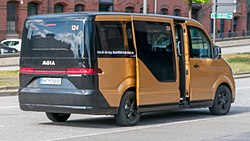
Share taxis are typically smaller than standard buses and are often owner-operated. They generally follow a semi-fixed route, departing only when all seats are filled and stopping anywhere to pick up or drop off passengers. While they are most prevalent in developing countries and dense inner cities, they appear in various forms across every inhabited continent.
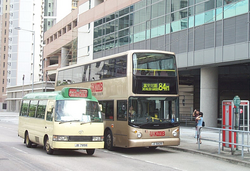
Key Facts
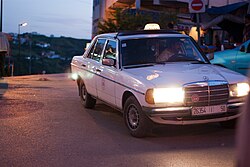
- Hybrid Nature: Operates as a middle ground between a private taxi and a public bus.
- Operational Style: Often lacks a fixed timetable, departing instead when the vehicle is full.
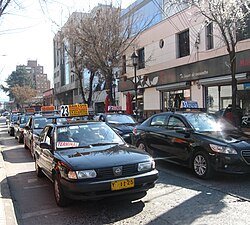
- Vehicle Variety: Ranges from four-seat cars and station wagons to minibuses and covered pickup trucks.
- Economic Driver: Usage typically spikes when formal bus fares increase or when public transit infrastructure is lacking.
- Global Terminology: Called tro tro in Ghana, marshrutka in former Soviet states, and dollar vans in the US.
The Economics and Regulation of Shared Transit
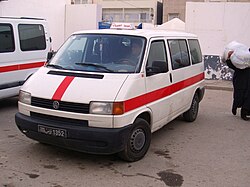
The proliferation of share taxis in cities like Manila, Philippines, or Jakarta, Indonesia, is often a direct response to a lack of formal public transportation. Because they are more "market-friendly," some libertarian urban economists argue that liberalization of these services is a superior alternative to state-run transit.
However, this flexibility comes with trade-offs. Legislative support is often lukewarm due to persistent concerns regarding passenger safety, insurance liabilities, and inconsistent fare structures.
Regional Variations and Local Names
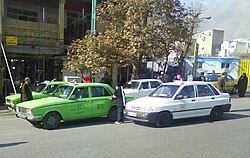
Africa
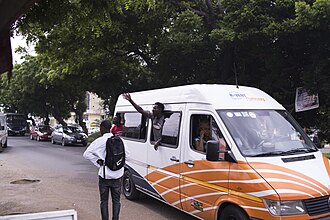
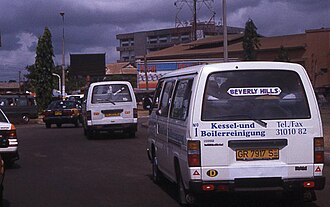
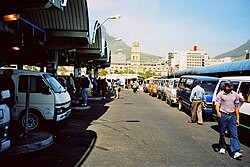
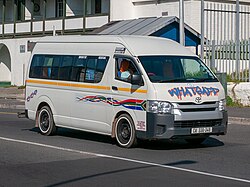
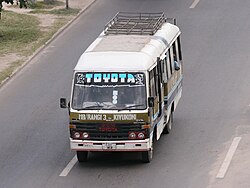
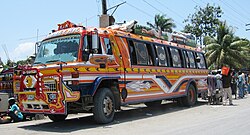
In Ghana, the tro tro is a cultural staple. The name is believed to originate from the Ga word tro (threepence), referring to the standard fare in the 1940s and 60s. In South Africa, over 60% of commuters rely on 16-seater minibus taxis, often called kombis or quantums. This industry has a complex history; during the Apartheid era, black operators were denied permits, making the service illegal. Following deregulation in 1987, the industry saw a massive influx of operators, which unfortunately led to violent "turf wars" and anti-competitive price-fixing by unregulated associations.

Asia and Oceania
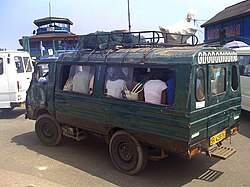
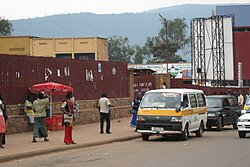
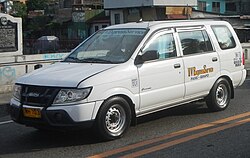
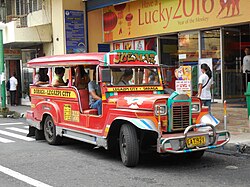
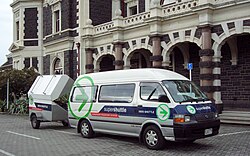
From the angkot in Indonesia to the iconic jeepneys of the Philippines, share taxis are vital to Asian urban mobility. In New Zealand, early motor vehicle services were known as "service cars," with providers like Aard using elongated Hudson Super Sixes before being absorbed by the New Zealand Railways Road Services in 1928.
Europe and the Former Soviet Union
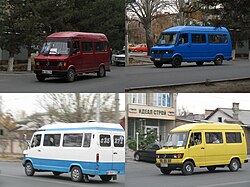
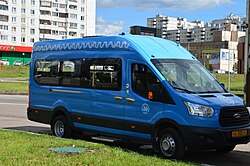
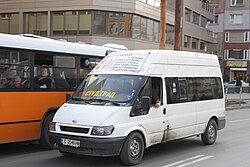
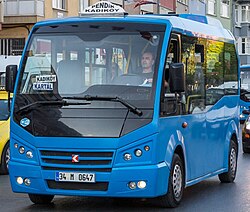
In former Soviet countries, the marshrutka is the dominant form of shared transit. In Romania, microbuze (maxi-taxis) became popular in smaller towns after expensive community-owned bus systems were abolished. In Bucharest, these services were introduced as peak-hour options in 1977 using Mercedes-Benz T2 vans.
North America
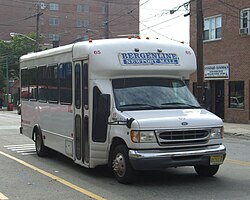
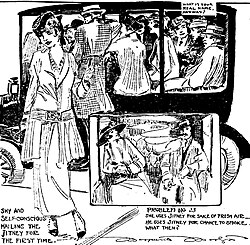
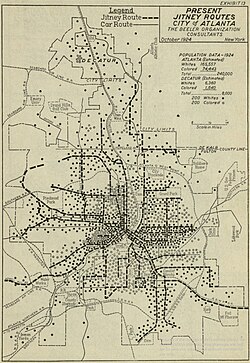
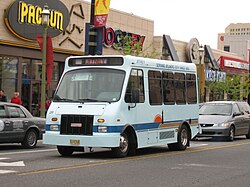
The United States has a long history with jitneys, which first appeared in Los Angeles in 1914. At their peak in 1915, there were 62,000 jitneys nationwide, though most were forced out of business by streetcar companies through local regulations. In modern times, dollar vans operate in New York City and New Jersey. These services often face scrutiny; for example, a 2010 inspection in Hudson County, New Jersey, found that 23 out of 33 inspected jitneys were unsafe due to issues like bald tires and welded-shut emergency doors.
Global Share Taxi Summary
| Region | Local Term | Common Vehicle Type |
|---|---|---|
| West Africa (Ghana) | Tro tro | Minibus |
| South Africa | Kombi / Quantum | 16-seater minibus |
| Former Soviet Union | Marshrutka | Minibus / Van |
| Philippines | Jeepney | Modified Jeep/Truck |
| USA (NYC/NJ) | Dollar Van / Jitney | Passenger Van |
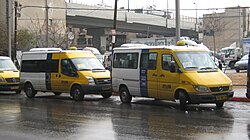
| Israel | Sherut | Minibus |
Frequently Asked Questions
What is the difference between a share taxi and a bus?
Unlike a bus, a share taxi is typically smaller, often lacks a fixed timetable, and may only depart once all seats are filled. They also offer more flexibility in picking up and dropping off passengers along a semi-fixed route.
Why are share taxis so common in developing countries?
They often fill a void left by insufficient formal public transportation. Their lower cost and flexibility make them a pocket-friendly alternative for residents in areas where government-run transit is unavailable or too expensive.
What are the primary safety concerns associated with share taxis?
Because many share taxis are unregulated or owner-operated, concerns often include poor vehicle maintenance (such as bald tires or faulty brakes), overloading of passengers, and a lack of formal insurance liabilities.
Where did the term "tro tro" come from?
It is believed to derive from the Ga word for "threepence," which was the standard fare in Ghana during the 1940s and early 1960s before the currency was decimalized.
What happened to the early jitneys in the United States?
While they were incredibly popular around 1915, most were driven out of business by 1916 due to regulations pushed by streetcar companies who viewed them as unfair competition.