Share Taxis: The Global Network of Paratransit and Minibus Services
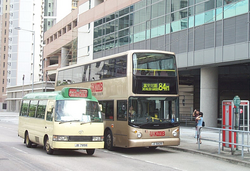
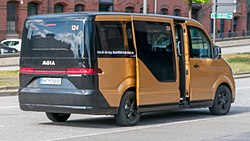
In many cities across the globe, there exists a unique mode of transport that bridges the gap between a private taxicab and a scheduled city bus. Known variously as share taxis, jitneys, marshrutkas, or dollar vans, these services provide a flexible, often affordable alternative to formal public transit. When these systems operate outside of official government frameworks, they are categorized as paratransit—flexible transport services that do not follow fixed schedules or strict routes.
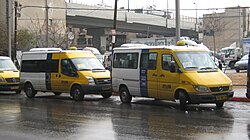
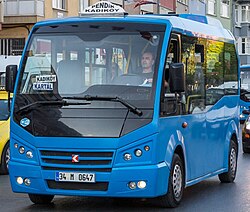
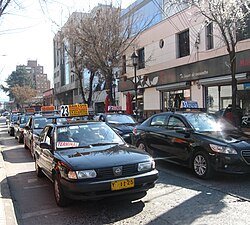
Share taxis are typically smaller than standard buses and are often owner-operated. They generally follow a semi-fixed route, picking up and dropping off passengers wherever requested. In many cases, the vehicle will not depart from its starting point until every seat is filled, making them a highly efficient, albeit sometimes unpredictable, way to navigate inner cities and developing regions.
Key Facts
- Hybrid Nature: Operates as a middle ground between a private taxi and a public bus.
- Operational Style: Often uses semi-fixed routes without strict timetables.
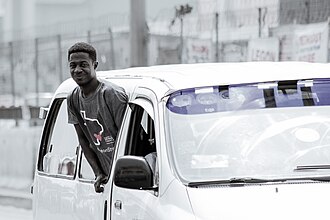
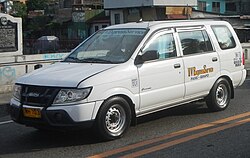
- Vehicle Variety: Ranges from four-seat cars and station wagons to minibuses and covered pickup trucks.
- Economic Driver: Usage typically spikes when formal bus fares increase or when public infrastructure is lacking.
- Global Presence: Prevalent in developing nations and dense urban centers worldwide.
The Economics and Regulation of Shared Transit
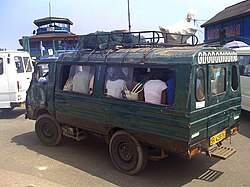
The proliferation of share taxis in cities like Manila, Philippines, or Jakarta, Indonesia, is frequently a response to a deficiency in formal public transportation. Because they are often more pocket-friendly than official buses, they become the primary lifeline for commuters.
From an economic perspective, some libertarian urban economists—including Richard Allen Epstein, James Dunn, and Peter Gordon—argue that these services are a "market-friendly" alternative to state-run transit. However, this liberalization comes with risks. Legislative support remains cautious due to persistent concerns regarding passenger safety, insurance liabilities, and inconsistent fare structures.
Regional Variations and Local Names

Depending on where you are in the world, the share taxi takes on a different name and cultural identity.
Africa
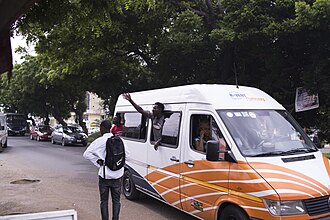
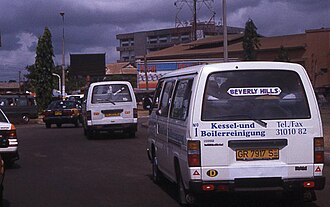
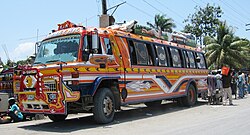
In Ghana, the tro tro is a staple of urban life. The name is believed to originate from the Ga word for "threepence," reflecting the standard fare during the 1940s and 1960s before the currency was decimalized into cedi and pesewa in 1965.
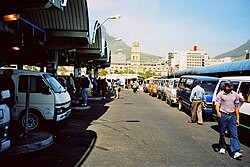
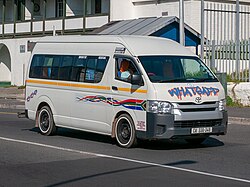
In South Africa, over 60% of commuters rely on shared minibus taxis, often called kombis or "quantums" (specifically for Toyota HiAce models). The industry has a turbulent history; during the Apartheid era, black operators were denied permits, making these services illegal. Following deregulation in 1987, the industry saw a massive influx of operators, which unfortunately led to violent "turf wars" and anti-competitive price-fixing by unregulated associations.
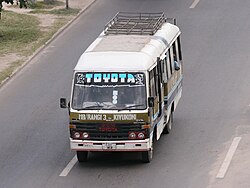
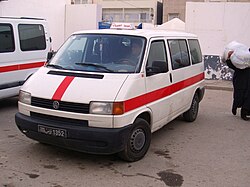
Other African examples include the danfo in Nigeria, dala dala in Tanzania, and louage in Tunisia.
Asia and Oceania
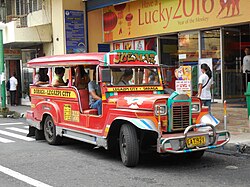
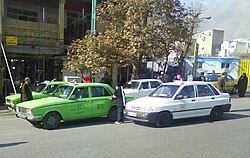
In the Philippines, the iconic jeepney serves as a primary share taxi, while Metro Manila also utilizes UV Express vehicles. In Israel, these services are known as sherut, and in Iran, they are called sharing ajans.
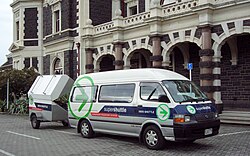
New Zealand once had a widespread system of "service cars." One notable early provider, Aard, operated elongated Hudson Super Sixes until the service was absorbed by New Zealand Railways Road Services in 1928.
Europe and the Former Soviet Union
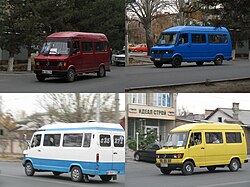
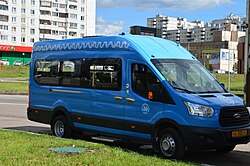
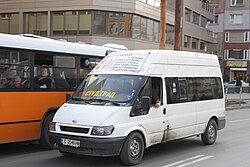
In former Soviet countries, the marshrutka is the dominant form of shared transit. These are also common in Bulgaria and Romania, where microbuze (maxi-taxis) often replace expensive community-owned bus systems in smaller towns.
North America
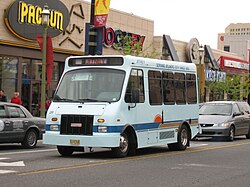
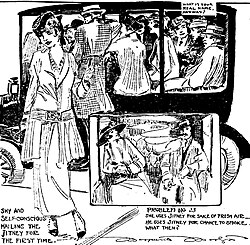
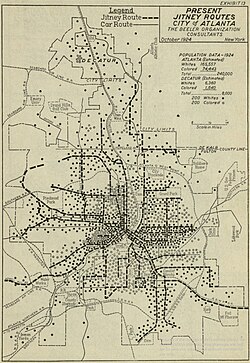
The United States has a long history with jitneys. First appearing in Los Angeles in 1914, they grew to 62,000 vehicles nationwide by 1915 before being largely suppressed by streetcar companies. In modern times, dollar vans operate in New York City and New Jersey. In New York, many of these vans remain unlicensed, and drivers have historically reported harassment by the NYPD.
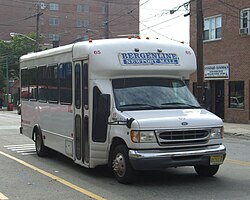
In New Jersey, surprise inspections in 2010 revealed significant safety issues among jitney operators on Bergenline Avenue, with many vehicles found to have bald tires, faulty brakes, or emergency doors welded shut.
Global Share Taxi Summary
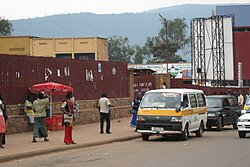
| Region/Country | Local Term | Typical Vehicle |
|---|---|---|
| Ghana | Tro tro | Minibus |
| South Africa | Kombi / Quantum | Toyota HiAce / Minibus |
| Former Soviet Union | Marshrutka | Minibus |
| Philippines | Jeepney | Modified Jeep/Truck |
| USA (NYC/NJ) | Dollar Van / Jitney | Van/Minibus |
| Israel | Sherut | Minibus |
| Tanzania | Dala dala | Minibus |
Frequently Asked Questions
What is the difference between a share taxi and a regular taxi?
A regular taxi is typically hired privately for a specific destination, whereas a share taxi follows a semi-fixed route and carries multiple unrelated passengers who share the cost of the trip.
Why are share taxis so common in developing countries?
They often fill the gap left by a lack of formal public transportation infrastructure and provide a more affordable option when official bus fares become too expensive.
Are share taxis regulated?
Regulation varies wildly. Some are fully formalized, while many operate as paratransit, meaning they are largely unregulated. This lack of oversight often leads to concerns regarding vehicle safety and insurance.
What is a "jitney"?
A jitney is a term used primarily in North America for a shared taxi. The concept peaked in the early 20th century before being pushed out by regulated streetcar companies.
How do share taxis decide when to depart?
Unlike scheduled buses, share taxis often operate on a "fill-and-go" basis, meaning the vehicle departs only once all available seats are occupied.