Shanghainese: The Vibrant Linguistic Heritage of the Wu Region
Shanghainese, known locally as zaon-he ghe-gho (上海闲话) or wugniu (沪语), is a distinctive member of the Wu language family. As a branch of the Sinitic languages within the Sino-Tibetan family, it serves as a vital cultural marker for the people of Shanghai and parts of Nantong. With an estimated 15.86 million speakers as of 2012, the language is deeply intertwined with the identity of the region.
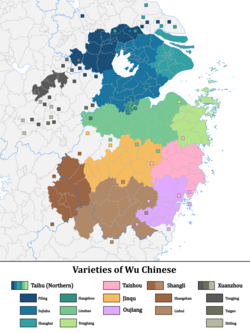
Key Facts
- Language Family: Sino-Tibetan > Sinitic > Wu > Taihu/Northern.
- Primary Region: Shanghai and urban Nantong.
- Speaker Population: Approximately 15.86 million (2012 data).
- Writing System: Chinese characters (Simplified and Traditional).
- Classification: Part of the Su–Hu–Jia / Shanghai subgroup.
Linguistic Classification and Varieties
Shanghainese is not a monolithic tongue; it contains various subdivisions based on locality. While the urban variety is the most prominent, the Songjiang branch (松江片) encompasses several distinct areas. These variations are often distinguished by their lexical items and specific pronunciations.
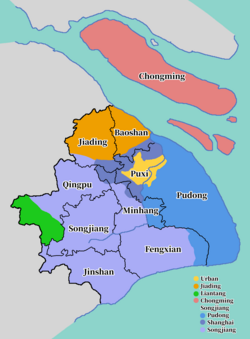
Regional Subdivisions
The language varies across different districts and counties. For example, the way certain words are pronounced can differ significantly between the urban center and areas like Chongming, Jiading, or Pudong. These nuances reflect the historical development and geographical spread of the Wu subgroups.
| Locality | Lexical Item: 来 (Come) | Lexical Item: 兰 (Orchid) | Lexical Item: 夹 (Clip) |
|---|---|---|---|
| Urban (Contemporary) | le˨˧ | kaʔ˦ | koʔ˦ |
| Jiading | le˧˩ | kaʔ˥ | koʔ˥ |
| Chongming | lei˨˦ | ʔlæ˥ | koʔ˥ |
| Pudong (Chuansha) | le˨˩˧ | kæʔ˥ | koʔ˥ |
Phonology and Tones
The sound system of Shanghainese is complex, involving a wide array of initials, finals, and a sophisticated tonal structure. The initials include various labial, dental, palatal, velar, and glottal sounds, featuring both plain and aspirated consonants, as well as voiced varieties.
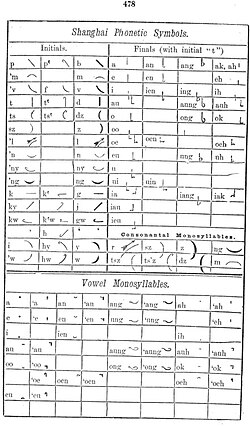
Tonal Structure and Sandhi
Shanghainese utilizes several tones, categorized into Level (平), Rising (上), Departing (去), and Checked (入) tones. These are further divided into Dark (voiceless initials) and Light (voiced initials) categories. A defining feature of the language is tone sandhi—the process where the tone of a syllable changes depending on the syllables surrounding it. This creates a fluid, melodic speech pattern that is characteristic of the Wu dialects.
Vocabulary and Usage
The vocabulary of Shanghainese often includes unique terms that differ from Standard Mandarin, as well as loanwords from English and French. This reflects Shanghai's history as a cosmopolitan international hub.
- English Loanwords: Terms like vaseline, cement (水门汀), and microphone (麦克风) are integrated into the local lexicon.
- French Influence: The term for à la carte (阿拉加) highlights the city's culinary history.
- Common Phrases: Essential daily expressions include non hau (侬好) for "hello" and zia-ya (谢谢) for "thank you."
The Current Status of the Language
Despite its rich history, Shanghainese faces modern challenges. Data from 2010 indicated a decline in fluency among the youth, with 62.6% of primary school students using Mandarin as their first language at home, and only 17.3% using Shanghainese to communicate with parents. This shift is often attributed to a lack of practice in school environments.
However, there is a strong movement toward revitalization. A 2021 study revealed that over 90% of people (excluding the 18–29 age group) wish to preserve the language. A significant 87.06% of respondents believe that Shanghai's culture cannot exist without its language, viewing it as a vital mechanism for community warmth and social cohesion.
Frequently Asked Questions
What is the relationship between Shanghainese and Mandarin?
Shanghainese is a member of the Wu language family, which is distinct from the Sinitic branch that includes Standard Mandarin. While they share a writing system, their spoken phonology and grammar differ significantly.
Is Shanghainese still widely spoken in Shanghai?
While Mandarin is the primary language for education and official business, Shanghainese remains a significant part of the local identity, with millions of speakers and a strong community desire for its preservation.
Why is tone sandhi important in Shanghainese?
Tone sandhi is the rule-based change of tones in connected speech. It is a fundamental part of Shanghainese phonology that determines how words sound when spoken in sentences.
How does Shanghainese incorporate foreign words?
Due to its history as a global trade center, Shanghainese has naturally adopted loanwords from English and French, particularly regarding modern technology and international cuisine.
What are the main challenges facing the language today?
The primary challenges include a decrease in usage among younger generations and the dominance of Mandarin in formal education and domestic communication.