Han Chinese: History, Culture, and Global Identity
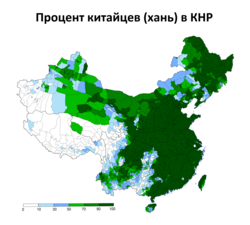
The Han Chinese represent the world's largest ethnic group, with a total population of approximately 1.4 billion people. While the majority reside in China, the Han diaspora is spread across the globe, forming significant communities in Taiwan, Southeast Asia, North America, and beyond. This vast group is characterized by a shared cultural heritage, a complex linguistic landscape, and a history that spans millennia.

Key Facts
- Total Population: Approximately 1.4 billion.
- Primary Regions: China (1.29 billion), Taiwan (22 million), Thailand (10 million), and Malaysia (6.91 million).
- Major Languages: Chinese (including Mandarin, Wu, Yue, Hakka, and others).
- Core Religions: Chinese folk religion, Confucianism, Taoism, Buddhism, and Christianity.
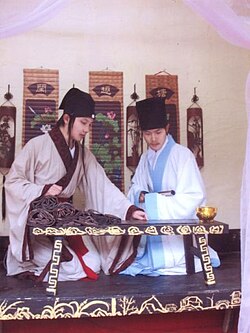
- Cultural Heritage: Known for traditional attire called Hanfu and a rich literary and scientific history.
Linguistic Diversity and Subgroups
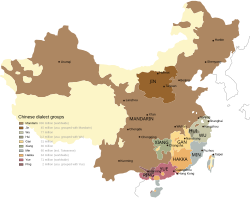
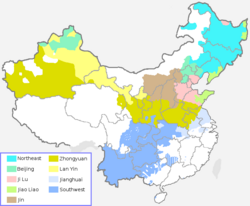
Although often referred to under the umbrella of "Chinese," the Han people are linguistically diverse. The group is divided into various subgroups, often identified by their specific dialects or regional identities. These subgroups include the Mandarin (Northern) speakers, the Wu (Jiangzhe) people, the Yue (Cantonese) people, and the Hakka people, among many others.
Major Han Subgroups
The diversity of the Han people is reflected in their regional classifications:
- Mandarin (Guanhua): Primarily Northern people.
- Wu: Jiangzhe people.
- Yue: Cantonese people of the Lingnan region.
- Hakka: A distinct group with significant presence in Southeast Asia.
- Min: Including Hokkien and Teochew speakers.
- Other groups: Including Gan, Xiang, Jin, and various Southwestern subgroups.
Historical Evolution and Migrations
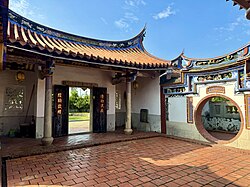
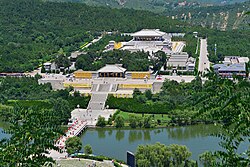
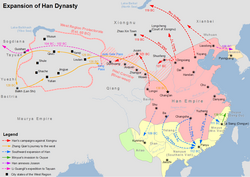
The history of the Han people is marked by periods of imperial grandeur and significant demographic shifts. From the early Neolithic cultures like the Yangshao and Longshan, the Han identity solidified through successive dynasties, most notably the Han Dynasty (206 BC – AD 220).
Southward Migrations
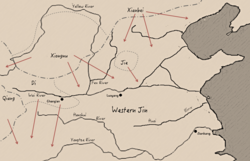
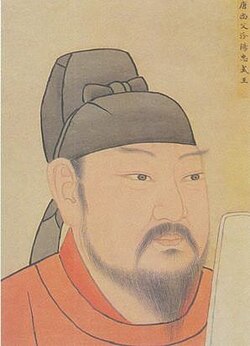
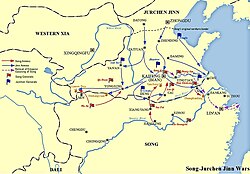
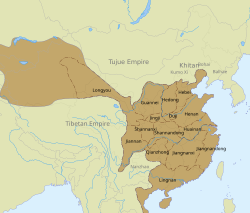
Throughout history, various conflicts and political shifts triggered massive southward migrations. These movements were often caused by northern invasions or internal rebellions. For example, the An Lushan rebellion during the Tang dynasty led to a dramatic drop in recorded inhabitants in certain regions, while the Jin–Song wars displaced many Han Chinese toward Southern China.
Cultural and Scientific Contributions
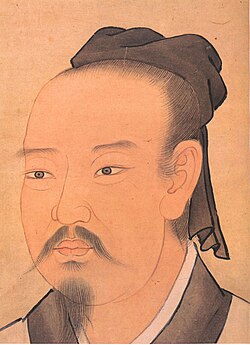
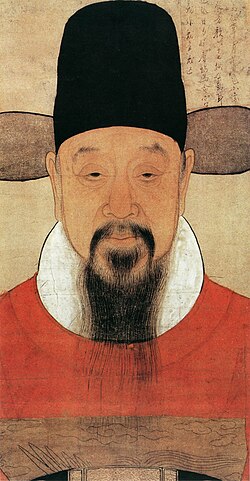
The Han legacy is deeply embedded in global culture through literature, science, and philosophy. Great poets like Du Fu and modern literary figures like Lu Xun have shaped the Chinese language. In the realm of science, figures such as Xu Guangqi made significant contributions to agronomy and mathematics.
![Du Fu is often considered one of the greatest Chinese poets.[204]](/images/22/54/22545c543dda5257c719dd0c8983817aa1f532c15edff41b3eb039ea9e4b7905.jpg)
![Lu Xun is one of the founding figures of modern Chinese literature.[202]](/images/f9/e1/f9e1e48f80f50919ae4b3aad19c60ca78547a6ecb0cdb61f956246fee109100d.jpg)
Traditional Fashion and Art
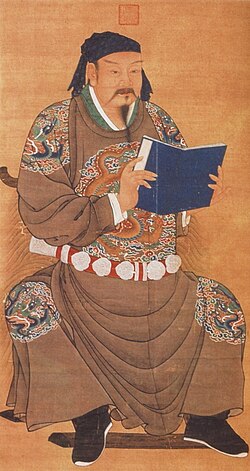
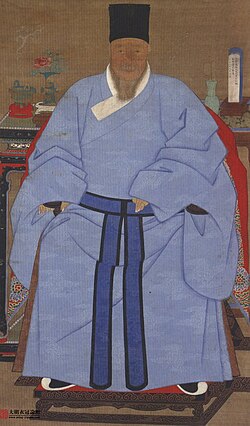
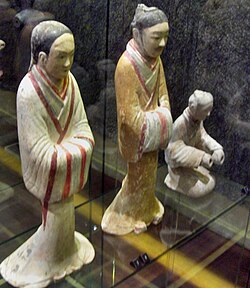
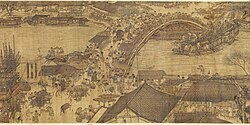
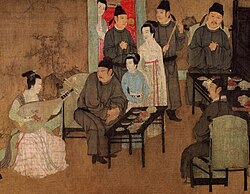
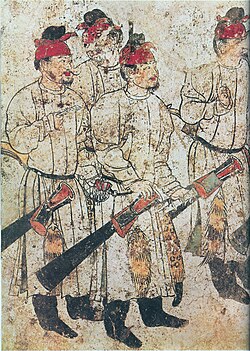
Hanfu, the traditional clothing of the Han people, remains a prominent symbol of cultural identity. Beyond fashion, Han history is preserved through exquisite art, such as the detailed paintings of the Song dynasty and the intricate ceramic figurines of the Han era.
Demographics and Genetics
Modern biological research has explored the genetic structure of the Han people. Studies of Y-DNA (paternal lineages) show that while there is significant continuity, there are also differences between Northern and Southern Han subgroups. Some lineages found in Southern Han are also present in non-Han southern indigenous populations, reflecting historical interactions and admixture.
![A PCA graph illustrates the genetic differences among Han Chinese subgroups.[276]](/images/19/31/1931bece5d5c60b5b15eb0f753731f9bdef589ae0c4c93a1cc245baf8749ac5a.png)
| Region | Estimated Population |
|---|---|
| China | 1.29 billion |
| Taiwan | 22 million |
| Thailand | 10 million |
| Malaysia | 6.91 million |
| United States | 3.80–5.79 million |
| Singapore | 3.07 million |
| Indonesia | 2.83 million |
Frequently Asked Questions
![Louis Cha, better known as the wuxia writer Jin Yong, is one of the most popular Chinese writers of all time.[203]](/images/40/82/408200b967fa6948f3f87faa0e31277dc3a65de61423f49934859abe92794e1e.jpg)
What is Hanfu?
Hanfu refers to the traditional historical clothing of the Han Chinese people, characterized by various styles that evolved through different dynasties.
Are all Chinese people Han?
No. While the Han are the largest ethnic group in China, there are 55 other recognized ethnic minority groups within the country.
What are the main religions practiced by Han Chinese?
The Han people practice a variety of traditions, including Chinese folk religion, Confucianism, Taoism, Buddhism, and Christianity. Many are non-religious in modern times.
Why are there so many Chinese dialects?
The linguistic diversity, such as the distinction between Mandarin, Cantonese, and Wu, is largely a result of historical migrations and the geographic isolation of different regions over thousands of years.
Where is the Han diaspora located?
Significant Han populations live in Taiwan, Southeast Asian countries like Thailand, Malaysia, and Singapore, as well as in North America and Australia.