Sexual Reproduction: Mechanisms, Evolution, and Biological Diversity
Sexual reproduction is a fundamental biological process that drives genetic variation across the tree of life. At its core, it involves a complex life cycle where two gametes—specialized haploid reproductive cells, such as sperm and eggs, containing a single set of chromosomes—combine to produce a zygote. This resulting cell is diploid, meaning it possesses two sets of chromosomes, which then develop into a mature organism.
While this process is a hallmark of animals, the specific number of chromosome sets and the mechanisms by which they change vary significantly among fungi, plants, and other eukaryotes.
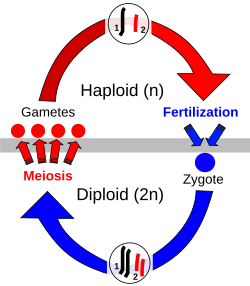
Key Facts
- Genetic Diversity: The primary advantage of sexual reproduction is the increase in genetic variation and the prevention of harmful mutation accumulation.
- The Two-Fold Cost: Sexual reproduction is evolutionarily paradoxical because it is slower than asexual reproduction and parents pass on only 50% of their genes.
- Occurrence: It is the most common life cycle in multicellular eukaryotes (animals, plants, fungi) and some unicellular eukaryotes.
- Prokaryotic Limits: True sexual reproduction does not occur in prokaryotes (bacteria and archaea), though they use analogous processes like transformation.
- Ancient Origins: The earliest fossil evidence of eukaryotic sexual reproduction dates back approximately 1.05 billion years to the Stenian period.
The Evolutionary Paradox of Sex
From a purely mathematical standpoint, asexual reproduction should be more efficient. In an asexual population, every individual can produce offspring, allowing the population to grow more rapidly. This creates a "two-fold cost of sex": the fitness disadvantage of slower population growth and the fact that an organism only transmits half of its genetic material to its progeny.
Despite these costs, sexual reproduction persists because it provides a critical evolutionary edge. By shuffling genetic material, species can better adapt to changing environments and purge deleterious mutations that would otherwise accumulate in an asexual lineage.
Sexual Selection
A powerful driver of this process is sexual selection, a mode of natural selection where certain individuals out-reproduce others because they are more successful at securing mates. This force is unique to sexual populations and shapes the physical and behavioral traits of countless species.
Sexual Reproduction Across Kingdoms
Animals and Arthropods
In placental mammals, reproduction involves the male urethra delivering sperm into the vagina during copulation, while egg cells travel from the oviduct to the uterus. Other vertebrates utilize a cloaca—a single opening for digestive, urinary, and reproductive tracts—to release gametes.
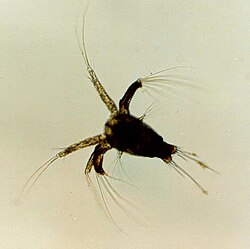
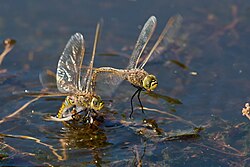
Among arthropods and insects, strategies vary wildly. Some insects exhibit complex larval stages, while others, such as certain aphids, can give birth to live young from unfertilized eggs.
Fish, Reptiles, and Amphibians
The majority of fish species employ external fertilization, where females lay eggs on substrates like rocks or scatter them into the water column to be fertilized by the male.
Plants and Fungi
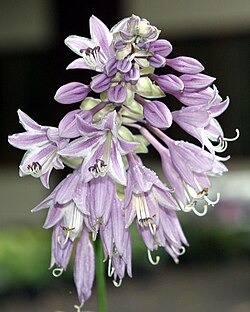
Flowering plants use specialized organs to facilitate the union of gametes. Evidence of this dates back 100 million years to the Cretaceous period, where amber fossils show pollen tubes penetrating a flower's stigma, likely aided by insect pollinators.
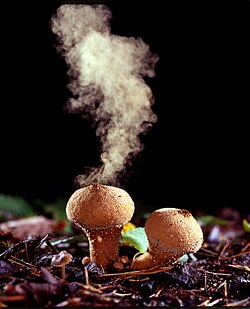
Fungi also engage in sexual reproduction, often involving the emission of spores to ensure dispersal and genetic mixing.
Prokaryotes: Analogous Processes
Bacteria and archaea do not undergo sexual reproduction because they lack cell nuclei. However, they employ processes that are functionally similar. Bacterial transformation allows a bacterium in a state of "competence" to take up and recombine exogenous DNA from its environment into its own chromosome. This process is primarily associated with DNA repair and occurs naturally in at least 40 bacterial species.
It is believed that sexual reproduction in early single-celled eukaryotes may have evolved from these bacterial transformation processes or similar mechanisms in archaea.
Summary of Reproductive Characteristics
| Group | Primary Mechanism | Key Feature | Genetic Outcome |
|---|---|---|---|
| Multicellular Eukaryotes | Meiosis & Fertilization | Fusion of haploid gametes | High genetic diversity |
| Flowering Plants | Pollination | Pollen tubes & Stigma | Cross-species variation |
| Bacteria | Transformation/Conjugation | DNA recombination | DNA repair & adaptation |
| Fungi | Spore production | Dikaryotic stages | Environmental resilience |
Frequently Asked Questions
What is the difference between haploid and diploid cells?
Haploid cells (n) contain a single set of chromosomes and are typical of gametes like sperm and eggs. Diploid cells (2n) contain two sets of chromosomes, formed when two haploid gametes fuse during fertilization.
Why is sexual reproduction considered an evolutionary paradox?
It is paradoxical because asexual reproduction is more efficient; asexual organisms can grow populations faster and pass on 100% of their genes, whereas sexual reproduction carries a "two-fold cost" in terms of speed and genetic transmission.
Do bacteria have sex?
No, bacteria are prokaryotes and do not undergo sexual reproduction. However, they use processes like transformation, transduction, and conjugation to incorporate new genetic information, which is analogous to sex.
How old is the oldest evidence of sexual reproduction?
The first fossilized evidence of sexual reproduction in eukaryotes dates back to the Stenian period, approximately 1.05 billion years ago.
What is sexual selection?
Sexual selection is a form of natural selection where individuals with traits that make them more attractive or competitive in securing mates have a higher reproductive success rate.