Sex Work Legal Models: A Global Comparison of Policy and Practice
The legal status of sex work varies drastically across the globe, ranging from total prohibition to full decriminalisation. These different approaches are not merely legal distinctions but reflect deep-seated philosophical disagreements regarding human rights, public health, and the role of the state. By examining how different countries implement these models, we can see the tangible impact these laws have on the safety and livelihoods of sex workers.
Key Facts
- Decriminalisation removes criminal penalties for both the sale and purchase of sex, treating it as a labor or business issue.
- Legalisation allows sex work under specific government regulations and licenses, but it remains a criminal act if those rules are broken.
- The Nordic Model (Neo-abolitionism) criminalises the buyer (the client) while keeping the sale of sex legal for the worker.
- New Zealand was the first country to decriminalise prostitution globally in 2003.
- Belgium is the first European country to decriminalise sex work, including under official employment contracts.
The Neo-Abolitionist (Nordic) Model
The Neo-abolitionist approach, often called the Nordic Model, seeks to eliminate sex work by targeting the demand. Under this framework, selling sex is legal, but buying it—and third-party involvement like pimping or brothel ownership—is criminalised.
Sweden
Sweden pioneered this approach in 1999. While supporters claim the number of prostitutes has decreased, critics argue the industry has simply moved online or into hidden spaces to avoid police surveillance. Sex workers have reported increased stigma, higher rates of homelessness, and a decrease in condom use because police often use condoms as evidence in criminal cases.
France
France adopted a similar model in 2016. While selling sex is legal, buyers face fines of approximately 1,500 euros and may be required to take awareness courses. However, data from the NGO Médecins du Monde suggests that 42% of sex workers experienced increased violence after the law took effect, as work was pushed into less surveilled, more dangerous areas.
Canada
Canada's legal journey has been marked by judicial challenges. In 2013, the Supreme Court ruled in Bedford v. Canada that certain prostitution laws violated security rights. In response, the government passed the Protection of Communities and Exploited Persons Act (PCEPA) in 2014, following the Nordic Model. In 2020, an Ontario court struck down parts of the PCEPA, ruling that prohibitions on advertising and third-party benefiting violated freedom of expression and security of the person.
Legalisation and Regulation
Legalisation differs from decriminalisation in that the state creates a regulated framework. Sex work is legal only when it adheres to specific government mandates, such as registration or licensing.
Germany and Denmark
Germany legalised sex work in 2002, requiring workers to register and pay taxes in exchange for benefits like healthcare and paid leave. This led to a significant industry boom. Denmark legalised the sale and purchase of sex in 1999 for adults, though brothels and pimping remain illegal.
The Netherlands
The Netherlands lifted its 1911 brothel ban in 2000 to increase governmental control and fight trafficking through harm reduction. However, strict licensing requirements have sometimes favored large brothel companies over individual workers, and migrant workers without residence permits remain excluded from legal protections.
Nevada, United States
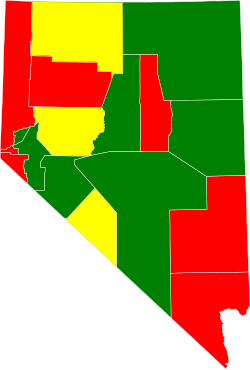
Nevada presents a unique case where prostitution is legal only in licensed brothels within counties with populations under 400,000. Prostitution outside these licensed houses is explicitly illegal.
Decriminalisation in Practice
Decriminalisation removes the activity from the criminal justice system entirely, treating sex work as a professional service or a private matter between consenting adults.
New Zealand
The Prostitution Reform Act 2003 made New Zealand a global leader in decriminalisation. The law focuses on safeguarding human rights, promoting occupational health and safety, and prohibiting the sex work of minors, while establishing a certification regime for brothel operators.
Belgium
Belgium has taken decriminalisation a step further. After initially allowing self-employed workers to advertise in 2022, Belgium amended its labour law on December 1, 2024, to allow sex work under official employment contracts. This grants workers social benefits like state pensions and maternity leave, alongside safety requirements like the installation of panic buttons.
Australia
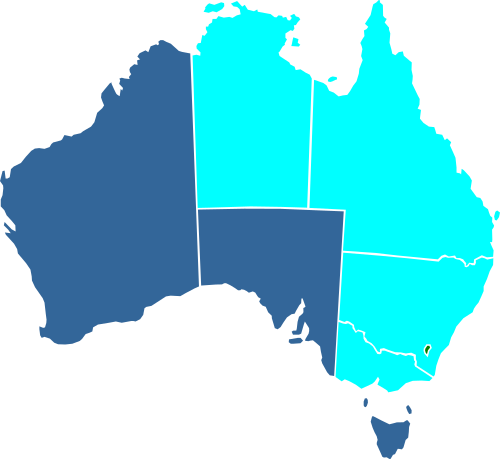
Australia's approach varies by state. New South Wales decriminalised sex work in 1995 after a Royal Commission found that the previous "disorderly house" laws fostered police corruption. More recently, the Northern Territory (2019) and Victoria (2023) have also moved toward decriminalisation to improve transparency and worker safety.
Summary of Legal Models
| Model | Status of Seller | Status of Buyer | Third-Party/Brothels | Example Countries/Regions |
|---|---|---|---|---|
| Neo-Abolitionist | Legal | Criminal | Criminal | Sweden, France, Canada |
| Legalisation | Legal (Regulated) | Legal (Regulated) | Legal (Licensed) | Germany, Netherlands, Nevada (US) |
| Decriminalisation | Legal | Legal | Legal/Regulated | New Zealand, Belgium, Australia (NSW) |
Frequently Asked Questions
What is the difference between legalisation and decriminalisation?
Legalisation creates a new set of laws and regulations that sex work must follow to be legal (such as licenses or registration). Decriminalisation removes existing criminal penalties for the activity, treating it more like any other business or private interaction.
Why do some sex workers oppose the Nordic Model?
Many workers argue that criminalising the buyer pushes the industry underground. This reduces their ability to screen clients and employ safety strategies, which can lead to increased violence and vulnerability.
How does Belgium's model differ from others?
Belgium is unique in that it has decriminalised sex work under official employment contracts, allowing sex workers to access standard labour rights, including maternity leave and state pensions.
What was the impact of the 1995 changes in New South Wales, Australia?
By treating brothels as normal businesses and removing the "disorderly house" designation, the government reduced the power of police to arbitrarily shut down businesses, which significantly decreased police corruption in the industry.
Does the Nordic Model successfully reduce the number of sex workers?
While some supporters claim numbers have decreased, research suggests that workers may simply move from the streets to the internet or other private spaces to avoid police surveillance.