Self-Determination in International Law
In the realm of international law, self-determination is the fundamental right of a people to form their own political entity. It serves as a cardinal principle of modern diplomacy and is binding upon the United Nations as an authoritative interpretation of the UN Charter's norms. While the principle empowers groups to seek a political future, it does not dictate the specific method of decision-making or the required outcome. Results can vary from full independence and federation to protection, autonomy, or full assimilation.
It is important to note a critical legal distinction: while the right to self-determination is recognized, international law does not explicitly recognize a general right to secession (the act of withdrawing from a larger political entity to form a new state).
Key Facts
- Legal Status: A binding principle of international law integrated into the UN Charter.
- Outcomes: Can result in independence, autonomy, federation, or assimilation.
- Origins: Emerged with 19th-century nationalism and gained prominence in the 1860s.
- Key Documents: The Atlantic Charter (1941) and the UN Charter (1945) formalized the right.
- Core Conflict: Often clashes with the principle of territorial integrity (the principle that nation-states should not promote border changes).
The Evolution of Self-Determination
19th Century and World War I
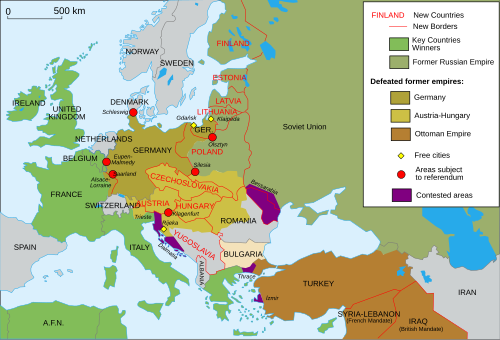
The concept grew alongside the rise of nationalism in the 1800s. It became a central political tool during and after World War I, championed by U.S. President Woodrow Wilson. In his Fourteen Points (1918), Wilson asserted that national aspirations must be respected and that people should only be governed by their own consent.
While Wilson, Lloyd George, Lenin, and Trotsky primarily focused their rhetoric on European audiences, their ideas resonated globally, influencing movements in the Global South.
World War II and the United Nations
The principle was further solidified during World War II. On August 14, 1941, Franklin D. Roosevelt and Winston Churchill issued the Atlantic Charter, which pledged support for self-determination. This was followed by the 1942 Declaration by United Nations, signed by 26 states.
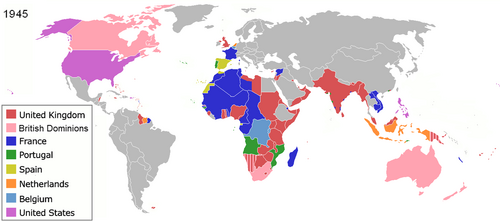
The ratification of the UN Charter in 1945 officially placed self-determination within the framework of international law and diplomacy, facilitating the era of decolonization.
![Map of the world in 1945, showing United Nations Trusteeship Council territories in green[26]](/images/d9/63/d96389e944cfcbe07e6699ebe31176f15d48e2f87e21f03a485cbdad01efd746.webp)
Implementation Challenges
Applying the right to self-determination is often politically fraught. A primary difficulty lies in defining who constitutes a "people." As World Court judge Ivor Jennings noted, the people cannot decide their fate until an authority first decides who the "people" actually are.
Self-Determination vs. Territorial Integrity
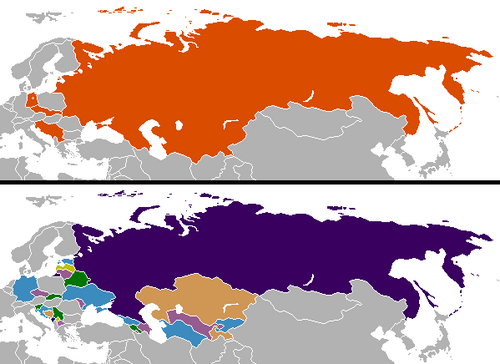
A recurring tension exists between the right of a people to determine their status and the right of an existing state to maintain its borders. This conflict often leads to disputes over whether a group's claim to autonomy justifies the alteration of national boundaries.
Notable Global Cases

Throughout history, various groups have invoked self-determination to seek autonomy or independence. These cases range from successful state-building to ongoing territorial disputes.
| Region/Group | Context/Outcome |
|---|---|
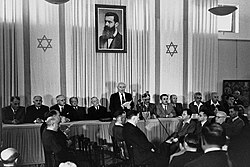
| Israel | Proclaimed independence in 1948. |
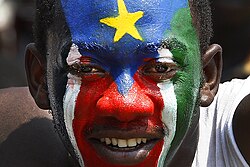
| South Sudan | Achieved independence from Sudan on July 9, 2011. |
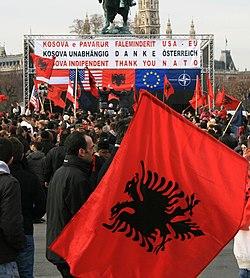
| Kosovo | Declared independence in 2008. |
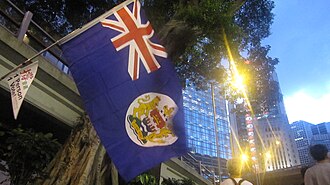
| Hong Kong | Movement for independence emerged following Chinese control. |
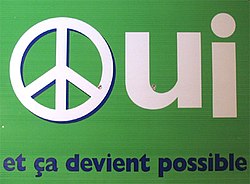
| Quebec | Held a sovereignty referendum in 1995. |
| Scotland | Ongoing movements for independence from the UK. |
Case Studies in Conflict and Aspiration
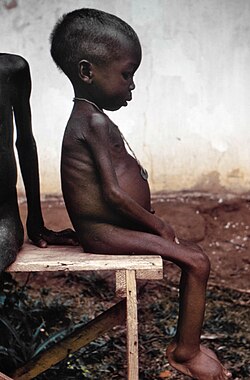
In Africa, the Nigerian Civil War of the late 1960s saw the Biafrans seek independence, a struggle marked by severe famine and international sympathy.
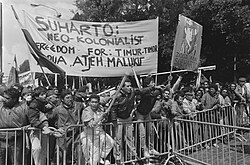
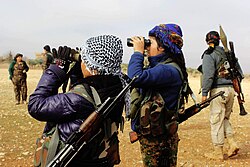
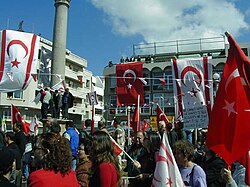
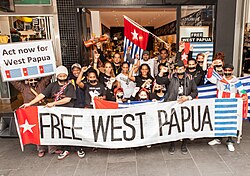
In Asia, movements in West Papua and East Turkistan continue to advocate for self-determination. In the Middle East, the Kurdish people (including the YPG in Syria) and Palestinians have long sought the right to form their own sovereign states.
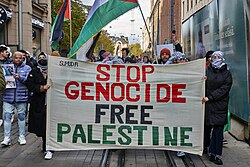
In Europe, regions such as Catalonia and the Basque Country have seen significant protests and referendums regarding their right to decide their political future.


Indigenous Peoples
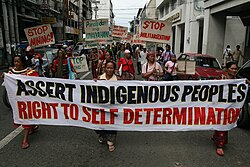
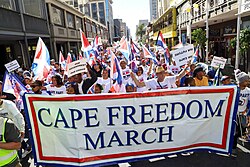
Indigenous groups globally, including Native Americans and Lumads in the Philippines, have marched for the right to self-determination as a fundamental human right to preserve their culture and governance.

Frequently Asked Questions






Does self-determination automatically grant a right to secede?
No. While international law recognizes the right to self-determination, it does not recognize a general right to secession from an existing state.
What are the possible outcomes of self-determination?
The outcome can be diverse, including full independence, the creation of a federation, receiving international protection, achieving a form of autonomy, or full assimilation into the existing state.
When did self-determination become a legal right?
It became a recognized international legal right after being explicitly listed in the United Nations Charter in 1945.
What is the main conflict associated with self-determination?
The primary conflict is between the right of a people to self-determination and the principle of territorial integrity, which protects the existing borders of sovereign states.
Who defines who a "people" are in these cases?
This is one of the most difficult aspects of implementation; there is no single universal definition, and the determination is often a subject of intense political and legal debate.