Seed Predation and Granivory: The Evolutionary Battle for Plant Survival
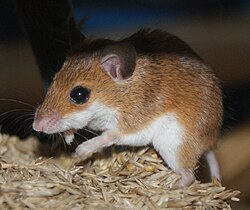
In the natural world, a seed is more than just a potential plant; it is a nutrient-dense package designed to sustain a developing embryo. This high concentration of energy makes seeds a primary target for granivores—animals that feed mainly on plant seeds. From tiny insects to birds and mammals, granivory is a widespread ecological interaction that shapes the diversity and distribution of plant life across nearly every ecosystem on Earth.
Key Facts
- Granivory is the act of feeding primarily on seeds, practiced by various vertebrates (birds, mammals) and invertebrates (insects).
- Seed predation is categorized as either pre-dispersal (before the seed leaves the parent plant) or post-dispersal (after release).
- Plants employ physical barriers and chemical toxins to protect their offspring.
- Seed masting is a strategy where plants produce massive quantities of seeds sporadically to overwhelm predators.
- The Janzen-Connell model suggests that seed survival increases as the distance from the parent plant increases.
Why Seeds Are Targeted
Seeds are highly attractive to animals because they contain specialized food storage organs, such as the endosperm, which provides essential nutrients to the cotyledon (the embryonic leaf). Compared to other plant tissues, seeds offer a localized and concentrated source of nutrition, making them a high-reward food source for predators.
Plant Defense Mechanisms
To ensure the survival of the next generation, plants have evolved a sophisticated array of defenses to deter granivores. These are generally split into physical and chemical strategies.
Physical Defenses
Many plants encapsulate their seeds in fruit pulp or protective structures until they are fully ripe. Other physical deterrents include spines, hairs, fibrous seed coats, and hard endosperm. In arid environments, some seeds develop a mucilaginous (sticky) coat that glues soil to the seed, effectively hiding it from the sight of predators.
Chemical Defenses
When physical barriers are not enough, plants use chemical warfare. These compounds can be toxic, distasteful, or designed to inhibit digestibility. Examples include:
- Tannins and alkaloids: Bitter or toxic compounds.
- Cyanogenic glycosides: Chemicals that can release cyanide.
- Protease and amylase inhibitors: Compounds that prevent the predator from digesting proteins and starches.
- Phytohemagglutinins: Toxic proteins that deter consumption.
Plants often face a biological trade-off: the more energy they allocate toward these defenses, the fewer or smaller seeds they may be able to produce.
Strategic Survival: Timing and Space
Beyond physical and chemical armor, plants use spatial and temporal strategies to survive. Seed dispersal—moving seeds away from the parent plant—is believed to reduce the intensity of predation.
Another fascinating strategy is seed masting. This occurs when a plant population produces an overwhelming abundance of seeds in one year, followed by several years of very low production. This "boom and bust" cycle prevents predator populations from growing large enough to consume all the seeds during a mast year.
Pre-Dispersal vs. Post-Dispersal Predation
The timing of predation significantly changes the impact on the plant and the type of animal involved.
Pre-Dispersal Predation
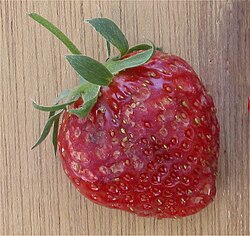
This occurs when seeds are eaten while still attached to the parent plant. This type of predation is often carried out by specialists—animals adapted to clustered resources. They use specific cues like color, size, and volatile chemical compounds to find their target. Common pre-dispersal predators include insects from the orders Coleoptera, Hemiptera, Hymenoptera, and Lepidoptera, as well as certain birds and rodents.
Post-Dispersal Predation
Post-dispersal predation happens after the seeds have been released. This can occur as "seed rain" (seeds on the soil surface) or within the "seed bank" (seeds buried deep in the soil). Because these seeds are scattered and vary in quality, post-dispersal predators are typically generalists, including ants, beetles, crabs, fish, rodents, and birds.
| Feature | Pre-Dispersal | Post-Dispersal |
|---|---|---|
| Timing | Before seeds leave parent plant | After seeds are released |
| Predator Type | Often Specialists | Often Generalists |
| Common Predators | Insects (e.g., Coleoptera), Birds | Ants, Rodents, Fish, Beetles |
| Location | Clustered on the plant | Scattered (Seed rain or Seed bank) |
The Ecological Impact on Plant Populations
The relationship between seeds and predators is a prime example of coevolution. As plants develop better defenses, predators evolve ways to detoxify chemicals or break through harder shells.
The Janzen-Connell model explains that seed survival is often higher further away from the parent tree. Near the parent, seed density is high, which attracts more predators. As distance increases, predation pressure drops, increasing the chance of seedling recruitment. In some cases, predation can be so severe that it limits the entire tree population (seed-limited), while in other habitats, like grasslands, the availability of "safe sites" is the primary limiting factor.
Interestingly, some predators actually help plants. Animals that cache seeds for later but forget where they hid them effectively act as seed dispersers, promoting gene flow and helping the plant colonize new areas.
Frequently Asked Questions
What is the difference between a seed predator and a seed disperser?
A seed predator consumes and destroys the seed, preventing it from growing. A seed disperser moves the seed to a new location without destroying the embryo, often benefiting the plant. Some animals, like chili-eating birds, act as dispersers because they can tolerate chemicals (like capsaicin) that deter other predators.
How does capsaicin work as a defense mechanism?
Capsaicin in chili plants selectively deters mammals and fungi. However, birds lack the taste receptors that bind with capsaicin, allowing them to eat the fruit and disperse the seeds, which actually have higher survival rates after passing through a bird's digestive system.
What is the "seed bank"?
The seed bank refers to the collection of seeds that have been incorporated into the soil. Post-dispersal predators may prey on these seeds even after they have been buried.
Why do plants use seed masting?
Seed masting is a temporal strategy to regulate predator populations. By producing an enormous amount of seeds at irregular intervals, plants ensure that predators cannot maintain a population large enough to eat all the seeds during a high-production year.
Can seed predation ever be beneficial to a plant?
Yes. When granivores collect and cache seeds for winter storage but fail to retrieve them, those forgotten seeds can germinate. This process helps the plant disperse its offspring away from the parent tree, reducing competition and increasing genetic diversity.