Nectar Robbing: The Complex Dynamics of Floral Larceny
In the intricate dance of pollination, most relationships are mutualistic—a biological interaction where both the plant and the pollinator benefit. The plant receives help with reproduction through the transport of pollen, while the pollinator receives a high-energy reward in the form of nectar. However, this harmony is often disrupted by a behavior known as nectar robbing.
Nectar robbing occurs when an organism consumes floral nectar by biting holes into the flower tissue rather than entering through its natural openings. Because these "thieves" bypass the flower's reproductive structures, they often fail to facilitate pollination, leading many scientists to view the behavior as an exploitation of the plant-pollinator relationship. This phenomenon is also frequently referred to in scientific literature as nectar theft or floral larceny.
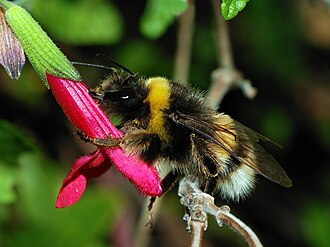
Key Facts
- Nectar robbing involves consuming nectar through perforations in floral tissue rather than natural openings.
- Robbers can be primary (creating their own holes) or secondary (using existing holes).
- Species involved include bees, wasps, ants, hummingbirds, and even certain mammals like fruit bats and squirrels.
- The impact on plant fitness can range from neutral and positive to significantly negative.
- Plants have evolved various defenses, including toxins, physical barriers, and timing shifts, to mitigate robbery.
The Mechanics of Floral Larceny
Nectar robbing is not a monolithic behavior; it manifests in different forms depending on how the nectar is accessed. Understanding these distinctions is vital for ecological research.
Primary vs. Secondary Robbing
The distinction lies in the origin of the access point. Primary robbing occurs when the forager itself perforates the floral tissue to reach the nectar. In contrast, secondary robbing involves an organism foraging from a hole that was previously created by a primary robber. While many bees and flies act as secondary robbers, certain species, such as Bombylius major, function as primary robbers.
Broader Definitions of Larceny
The term "floral larceny" is sometimes used more broadly to encompass all foraging behaviors that potentially disrupt pollination. This includes nectar theft (visiting the natural opening but failing to pollinate) and base working (removing nectar from between petals to bypass reproductive parts).
Diverse Species of Nectar Robbers
Nectar robbers represent a wide array of biological diversity. Many species act facultatively, meaning they rob nectar to supplement their diets rather than as an absolute necessity. Common culprits include:
- Insects: Carpenter bees, bumblebees, solitary bees, stingless Trigona bees, wasps, and ants.
- Birds: Hummingbirds and certain passerine birds, such as flowerpiercers.
- Mammals: The fruit bat and Swinhoe's striped squirrel (which is known to rob nectar from the ginger plant).
Impact on Plant Fitness and Reproduction
While it is tempting to label all robbers as "cheaters," the ecological impact on a plant's fitness—its ability to survive and reproduce—is highly variable.
Negative Effects
Robbing can be detrimental if the robber damages the flower's reproductive parts or reduces the nectar available to legitimate pollinators. For example, aggressive Trigona bees can evict legitimate pollinators from a site. Furthermore, if a robber consumes all the nectar, legitimate pollinators may avoid the flower entirely. In some cases, robbers may even shorten a flower's lifespan by maiming its tissue.
Neutral and Positive Effects
Interestingly, robbery does not always harm the plant. In some studies, even when 80 percent of flowers were robbed without pollination, fruit and seed sets remained unaffected. In other instances, robbery can actually increase pollination. If a robber accidentally contacts reproductive parts while stealing nectar, or if the holes attract secondary robbers that collect pollen, the plant may see a boost in reproduction. Additionally, if robbery reduces nectar levels, it may force legitimate pollinators to visit more flowers, increasing outcrossing and reducing inbreeding depression.
| Impact Type | Mechanism | Effect on Plant |
|---|---|---|
| Direct Negative | Physical damage to reproductive organs | Reduced fruit/seed set |
| Indirect Negative | Reduced nectar availability or odor changes | Decreased pollinator visitation |
| Indirect Positive | Increased pollinator foraging distance | Increased outcrossing/pollen flow |
| Direct Positive | Robber acts as an accidental pollinator | Increased reproductive success |
Evolutionary Adaptations and Plant Defenses
The presence of nectar robbers drives coevolution. As robbers adapt to be more efficient—such as hummingbirds evolving serrated bills to pierce tissue—plants evolve counter-strategies to protect their rewards.
Methods of Defense and Resistance
Plants employ several strategies to manage the cost of theft:
- Chemical Defenses: Producing toxins or secondary compounds in nectar. For example, Catalpa speciosa produces nectar with iridoid glycosides that deter ants but not bees.
- Temporal and Spatial Escape: Producing nectar only during the active hours of legitimate pollinators (escaping in time) or growing in locations that are less attractive to robbers (escaping in space).
- Physical Barriers: Developing tough corollas, tightly packed flowers, or liquid moats within bracts to prevent access.
- Resistance: The ability to compensate for lost nectar by producing more, allowing the plant to reproduce despite the theft.
Frequently Asked Questions
What is the difference between a pollinator and a nectar robber?
A pollinator facilitates plant reproduction by transferring pollen between flowers, usually in exchange for nectar. A nectar robber consumes nectar but bypasses the flower's reproductive structures, providing no pollination service in return.
Can nectar robbing actually help a plant?
Yes. It can help if the robber accidentally pollinates the flower or if the reduction in nectar forces legitimate pollinators to visit more flowers, which increases genetic diversity through outcrossing.
How do bees know if a flower has been robbed?
While not fully studied, it is believed that pollinators like bumblebees can distinguish robbed flowers by detecting damage to the petal tissue or changes in the quality and concentration of the nectar.
Is nectar robbing a new phenomenon?
No. The behavior has been documented for centuries. German naturalist Christian Konrad Sprengel recorded it in 1793, and Charles Darwin later observed it in his 1859 work, The Origin of Species.
Why do some animals rob nectar instead of using the flower's opening?
Animals may rob nectar due to a mismatch between their mouthparts and the flower's shape, or as an energy-saving strategy to access rewards more quickly.