Search and Rescue (SAR) Operations: Global Systems and National Capabilities
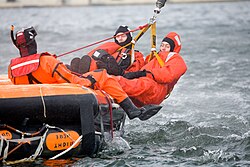
Search and Rescue (SAR) refers to the coordinated effort to locate, stabilize, and recover individuals who are lost or in distress. These operations span diverse environments, from the depths of the ocean and the peaks of mountains to dense urban ruins following a disaster. Because of the scale and technical requirements involved, SAR is typically managed through a combination of government agencies, military forces, and dedicated volunteer organizations.
Effective SAR depends on a structured chain of command, often centered around a Rescue Coordination Centre (RCC), which manages communications and deploys the most appropriate assets based on the nature of the emergency.
Key Facts
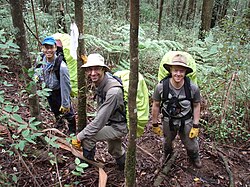
- Australia's JRCC manages a massive jurisdiction covering 52.8 million square kilometers, roughly 11% of the Earth's surface.
- Canada records approximately 7,000 marine and humanitarian SAR incidents annually.
- France's SNSM assisted 7,500 people across 5,200 rescues in 2016 alone.
- Sweden's Sea Rescue Society handles 70% of SAR missions in Swedish waters.
- Norway's 330 Squadron is the only dedicated government SAR unit in the country, utilizing the AW101 "SAR Queen".
National SAR Frameworks and Assets
Australia
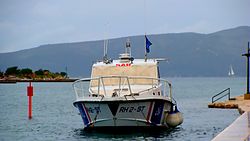
Australia utilizes a tripartite system involving the Joint Rescue Coordination Centre (JRCC) at the Australian Maritime Safety Authority (AMSA), the Australian Defence Force (ADF), and State/Territory Police. The JRCC handles national and international aircraft, offshore marine incidents, and beacon activations, while the ADF focuses on military personnel and assets. Police manage coastal incidents, inland waterways, and lost persons.
Canada
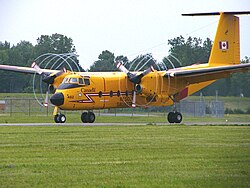
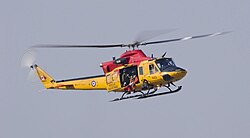
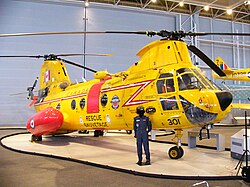
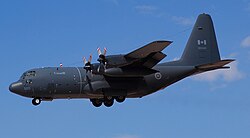
Canada employs a robust mix of military and volunteer assets. The Canadian Armed Forces operate five dedicated SAR squadrons and three Combat Support Squadrons using aircraft such as the CH-149 Cormorant, CC-130 Hercules, and CH-146 Griffon.
The Canadian Coast Guard Auxiliary provides critical volunteer support, with over 4,000 volunteers operating 1,000+ vessels. They respond to roughly 25% of the country's annual marine and humanitarian calls.
Cyprus
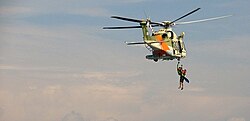
The JRCC of Cyprus, an independent agency under the Ministry of Defence, coordinates all SAR operations within the Republic of Cyprus Search & Rescue Region (SRR). It integrates various agencies, including the Cyprus Police Aviation Unit, National Guard, and Civil Defence.
Denmark
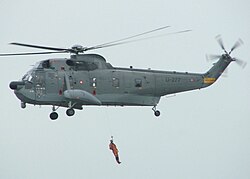
Denmark's SAR history dates back to 1957. Today, the force is equipped with EH-101 helicopters, Lynx helicopters, and a fleet of naval home guard and rescue vessels. Their helicopter crews are highly specialized, typically including two pilots, a navigator, a flight engineer, a physician, and a rescue swimmer.
France
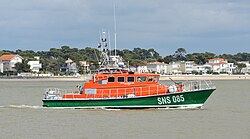
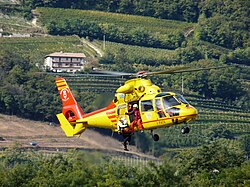
France divides SAR responsibilities by environment. The Société Nationale de Sauvetage en Mer (SNSM) handles coastal and sea rescue. The French Navy manages deep-sea operations, while the Gendarmerie handles mountain rescues using EC-145 'chouka' helicopters. Civil protection (Securité Civile) manages other areas with EC-145 'Dragon' units.
Hong Kong
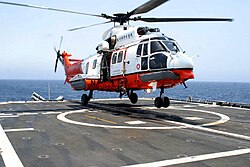
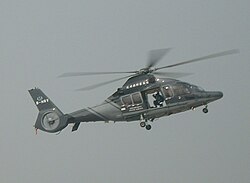
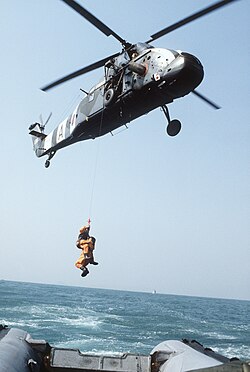
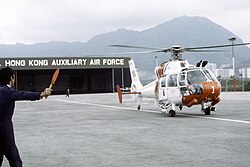
The Government Flying Service (GFS) conducts maritime SAR within a 400-nautical-mile radius of the Hong Kong Flight Information Region (FIR). Their fleet includes Bombardier Challenger 605s for surveillance and Airbus H175 helicopters for rescue.
Norway
Norway's SAR system is a blend of professional military units and extensive volunteer networks. The No. 330 Squadron of the Royal Norwegian Air Force operates the AW101 "SAR Queen". Volunteers from the Red Cross and Norwegian People's Aid provide critical support, particularly in avalanche and wilderness rescue.
Sweden
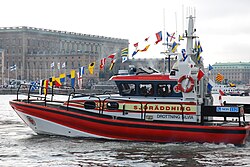
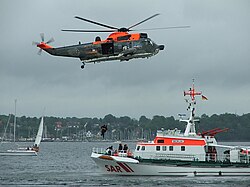
The Swedish Maritime Administration operates AW139 helicopters, while the Swedish Coast Guard provides larger ships and Dash 8 aircraft. A significant portion of the workload is carried by the Swedish Sea Rescue Society, which employs 2,100 volunteers across 68 stations.
United States
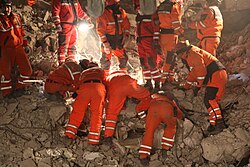
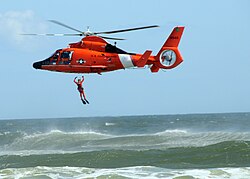
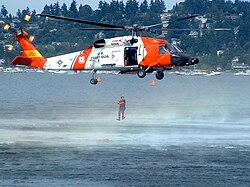
The U.S. utilizes specialized agencies for different terrains: the Department of Homeland Security's FEMA handles structural collapse, the U.S. Coast Guard manages waterborne rescue, and the Department of Interior's National Park Service handles inland wilderness SAR. Standards are often developed by non-governmental bodies like ASTM International.
Global SAR Asset Summary
| Nation | Primary Aircraft/Vessels | Key Coordinating Body | Volunteer Involvement |
|---|---|---|---|
| Australia | Various (ADF/Police) | JRCC (AMSA) | State/Territory Police |
| Canada | CH-149, CC-130, CH-146 | Canadian Armed Forces | Coast Guard Auxiliary (4,000+ volunteers) |
| Denmark | EH-101, Lynx, Rescue Vessels | Royal Danish Air Force | Naval Home Guard |
| France | EC-145, SNSM Boats | SNSM / Securité Civile | SNSM (High) |
| Norway | AW101 (SAR Queen) | No. 330 Squadron RNoAF | Red Cross, People's Aid |
| Sweden | AW139, Dash 8, Rescue Ships | Swedish Maritime Administration | Swedish Sea Rescue Society |
Frequently Asked Questions
What is the role of a Joint Rescue Coordination Centre (JRCC)?
A JRCC acts as the central hub for organizing, coordinating, and directing SAR operations. It manages communications between distressed parties and the rescue assets (aircraft, ships, or ground teams) required to save them.
How do volunteer organizations contribute to national SAR efforts?
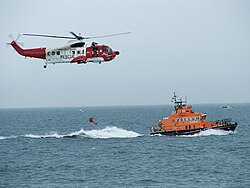
Volunteers often provide the first line of response due to their local knowledge and distributed presence. For example, the Canadian Coast Guard Auxiliary and the Swedish Sea Rescue Society operate hundreds of vessels that can reach incidents faster than centralized military assets.
Which aircraft are most commonly used for SAR?
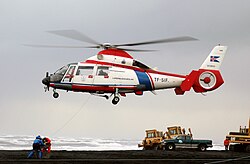
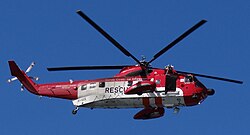
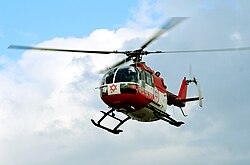
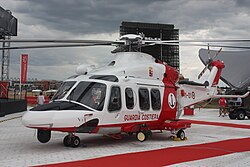
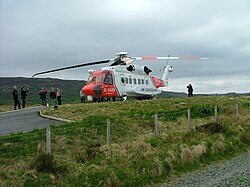
Helicopters are preferred for hoisting and precision rescues (e.g., AW101, S-92, CH-149), while fixed-wing aircraft (e.g., CC-130 Hercules, Dash 8) are used for long-range surveillance and locating targets over vast areas.
How is SAR managed in the United States?
The U.S. uses a jurisdictional approach: FEMA for structural collapses, the Coast Guard for waterborne emergencies, and the National Park Service for wilderness areas, with standards often guided by ASTM International.
What is the "SAR Queen" in Norway?
The "SAR Queen" is the codename for the AgustaWestland AW101 helicopters operated by the No. 330 Squadron of the Royal Norwegian Air Force, which serves as the country's dedicated government SAR unit.