Scots Language: History, Dialects, and Modern Revitalisation
The Scots language is a distinct West Germanic language spoken primarily in the Scottish Lowlands and parts of Northern Ireland. Often confused with Scottish English or Scottish Gaelic, Scots is a separate linguistic entity with its own rich history, evolving from the Northumbrian variety of Old English and influenced by Scandinavian languages during the early Middle English period.
Today, Scots serves as a vital marker of cultural identity. While it faced periods of social stigma, it has seen a significant resurgence in the 21st century through government policy, media representation, and academic study.
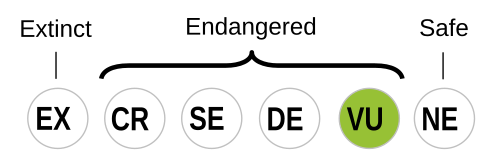
Key Facts
- Language Family: Indo-European > Germanic > West Germanic > North Sea Germanic > Anglic.
- Primary Regions: Scottish Lowlands, Northern Isles, Caithness, Arran, Campbeltown, and Ulster (Ireland).
- Speaker Population: Approximately 1,508,540 people reported the ability to speak Scots in the 2022 census.
- Official Status: Official language in Scotland; recognised minority language in Northern Ireland and the Republic of Ireland (County Donegal).
- Writing System: Latin script.
Historical Development and Distribution
Scots originated as a form of Northern Old English and developed into a distinct language by the 17th century. Its geographic reach expanded significantly between 1610 and the 1690s during the Plantation of Ulster, when roughly 200,000 Lowland Scots settled in Ireland. In these core settlement areas, Scots speakers outnumbered English settlers by five or six to one.
![The growth and distribution of Scots in Scotland and Ulster:[30][31] Early Scots by the beginning of the 15th century](/images/4d/9d/4d9ddbb3bb386711d298e50881bfb10c12a4727f6622a83a105914d33e19d1b6.png)
The Shift Toward Standard English
During the Scottish Enlightenment, the status of Scots declined among the intellectual elite. Figures such as David Hume and Adam Smith actively removed "Scotticisms" from their writing to align with English standards. This trend was accelerated by educators like Thomas Sheridan, who held expensive lectures on English elocution in 1761. These movements led to the creation of Scottish Standard English, while Scots remained the primary vernacular for rural communities and the urban working class.

Linguistic Classification and Dialects
Scots is classified within the Anglic branch of the West Germanic languages. It is characterized by various regional dialects, including:
- Central: Spoken in the central belt of Scotland.
- Southern: Found in the southern regions.
- Northern: Including the distinct Doric dialect of the North-East.
- Insular: Spoken in the Northern Isles.
- Ulster: The variety spoken in Northern Ireland and Donegal.
The language also features a specific vowel system (often analyzed via the Aitken system) and a consonant inventory that includes the glottal stop [ʔ] and the voiceless velar fricative [x].
Modern Revitalisation and Census Data
Measuring the number of Scots speakers has historically been challenging due to varying self-perceptions; many speakers viewed their speech as "bad English" rather than a distinct language. However, recent data shows a strong presence. In the 2022 Scottish Government census, 1,508,540 people reported they could speak Scots, and 2,444,659 (roughly 45% of the population) reported some level of ability in speaking, reading, writing, or understanding the language.
The Scottish Government established its first Scots Language Policy in 2015 to encourage the preservation and recognition of the language. This revitalisation is further supported by the media; since 2016, The National newspaper has published articles in Scots, and popular children's books like Harry Potter and The Gruffalo have been translated into the language.
Language Summary Table
| Feature | Details |
|---|---|
| Family | West Germanic (Anglic) |
| Key Dialects | Central, Southern, Northern (Doric), Insular, Ulster |
| 2022 Speakers | 1,508,540 (Able to speak) |
| Official Status | Official in Scotland; Minority in Northern Ireland/Republic of Ireland |
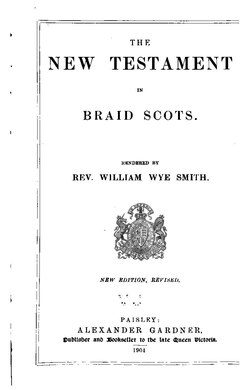
| Notable Works | The New Testament in Braid Scots, The New Testament in Scots |
Frequently Asked Questions
Is Scots a dialect of English or a separate language?
Linguistically, Scots is a distinct West Germanic language that developed from Northumbrian Old English. While it shares a close relationship with English, it has its own phonology, grammar, and vocabulary.
Where is Ulster Scots spoken?
Ulster Scots is spoken in Northern Ireland and the Republic of Ireland, specifically in Counties Down, Antrim, Londonderry, Donegal, and Armagh.
How many people speak Scots today?
According to the 2022 census, 1,508,540 people in Scotland reported they could speak Scots, while nearly 45% of the population reported some level of proficiency.
What is "Braid Scots"?
Braid Scots refers to a broad, traditional form of the language, often associated with literary works and formal translations, such as the New Testament translations by William Wye Smith.
How is the Scots language supported by the government?
The Scottish Government implemented a Scots Language Policy in 2015 to support its preservation and encourage respect and use of the language across Scotland.