ScotlandScottish historyScottish ParliamentEdinburghGlasgow

Scotland: A Comprehensive Journey Through History, Culture, and Geography

Scotland: A Comprehensive Journey Through History, Culture, and Geography Scotland, known in Gaelic as Alba, is a land of dramatic contrasts, where rugged highlands meet cosmopolitan citi...

Scotland: A Comprehensive Journey Through History, Culture, and Geography

Scotland, known in Gaelic as Alba, is a land of dramatic contrasts, where rugged highlands meet cosmopolitan cities and ancient traditions blend with modern governance. As a country within the United Kingdom, Scotland maintains a distinct national identity, a unique legal system, and a devolved government that manages many of its internal affairs.

Key Facts
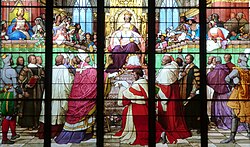
James V of Scotland at the Court of Session in 1532, at Parliament House, Edinburgh, the Parliament of Scotland until 1707
  • Capital: Edinburgh
  • Largest City: Glasgow
  • Highest Point: Ben Nevis (4,413 feet / 1,345 m)
  • Official Languages: English (de facto), Scots, and Scottish Gaelic
  • Population: Approximately 5.5 million (2024 estimate)
  • Currency: Sterling (GBP)
  • Government: Devolved parliamentary legislature within a constitutional monarchy

A Timeline of Scottish History
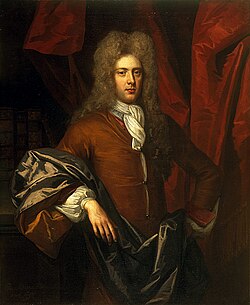
James Ogilvy, former Lord Chancellor (1702–1708), initially supported union but by 1713 advocated for its reversal

Prehistory and Early Kingdoms

The roots of Scotland stretch back to the Neolithic era. One of the most significant archaeological sites is Skara Brae, Europe's most complete Neolithic village, which was occupied between roughly 3180 BC and 2500 BC.
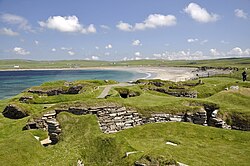
Skara Brae, Europe's most complete Neolithic village, occupied from roughly 3180 BC – 2500 BC

The landscape is further dotted with megalithic structures, such as the Callanish Stones, erected during the late Neolithic period, reflecting the complex spiritual and social lives of early inhabitants.
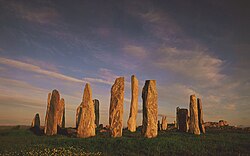
Callanish Stones, erected in the late Neolithic era

The Struggle for Independence and Union

The formation of the Kingdom of Scotland is traditionally dated to 843 AD. The nation's history is marked by fierce struggles for sovereignty, most notably the Wars of Scottish Independence. A pivotal moment occurred in 1297 at the Battle of Stirling Bridge.
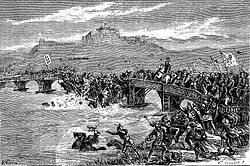
Depiction of the Battle of Stirling Bridge, fought during the First War of Scottish Independence, 1297

Over time, the relationship between Scotland and England evolved from conflict to unification. In 1603, James VI of Scotland succeeded to the English and Irish thrones, creating a Union of the Crowns.
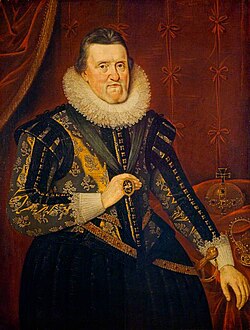
James VI, King of Scotland, succeeded to the English and Irish thrones in 1603.

This political evolution culminated in the Treaty of Union of 1707, which formally joined the two kingdoms into a single sovereign state: Great Britain.
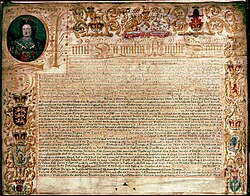
Scottish Exemplification (official copy) of the Treaty of Union of 1707

The Modern Era and Devolution

Following the Industrial Revolution and the Scottish Enlightenment, Scotland played a vital role in the British Empire and the World Wars. In the late 20th century, a movement for greater autonomy led to the Scotland Act 1998, resulting in the reconvening of the Scottish Parliament in July 1999.
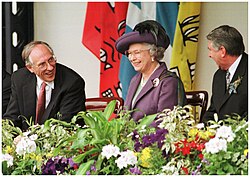
Reconvening of the Scottish Parliament in July 1999 with Donald Dewar, first minister (left) and Queen Elizabeth II (centre)

This process of devolution—the transfer of certain powers from a central government to a regional one—allowed Scotland to manage its own education, health, and justice systems. This political journey continued with the Edinburgh Agreement, which permitted a referendum on full independence in 2014.
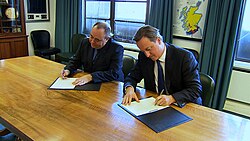
The signing of the Edinburgh Agreement permitted a referendum on independence to be held in 2014

Geography and Natural Wonders

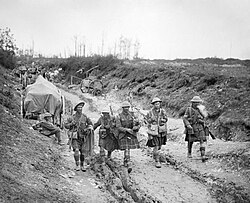
A piper of the Seaforth Highlanders leads the 26th Brigade back from the trenches during the Battle of Bazentin Ridge, July 1916

Scotland's geography is broadly divided between the Lowlands and the Highlands, with Loch Lomond often cited as the boundary between the two.

Loch Lomond, a freshwater loch, often considered the boundary between the Lowlands and Highlands[125]

The Highlands are characterized by mountainous terrain, including Ben Nevis, the highest peak in the British Isles. The western coast and the Inner Hebrides offer some of the most striking landscapes in the world, such as the Quiraing on the Isle of Skye.
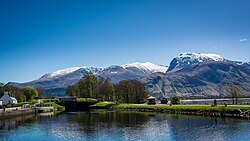
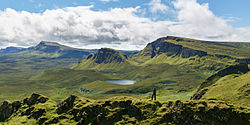
At 4,413 feet (1,345 m), Ben Nevis is the highest peak in Scotland and the British Isles

The Quiraing on the Isle of Skye, one of the islands of the Inner Hebrides

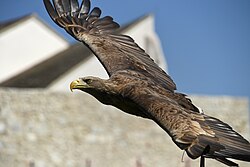
The climate varies significantly, with the Isle of Tiree being one of the sunniest locations in the country. The diverse ecosystem supports unique wildlife, including the white-tailed sea eagle.
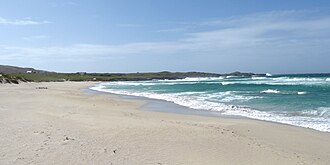
Tiree in the Inner Hebrides is one of the sunniest locations in Scotland.

White-tailed sea eagle

Government, Law, and Economy

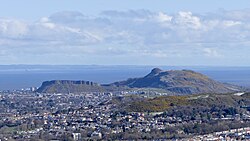
Arthur's Seat, Edinburgh

Political Structure

Scotland is governed by the Scottish Parliament in Edinburgh, led by the First Minister. While the UK Parliament handles reserved matters like defense and foreign policy, the Scottish Parliament manages devolved matters.
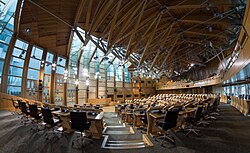
Debating chamber of the Scottish Parliament in Edinburgh

Legal System

Unlike England and Wales, Scotland maintains its own distinct legal jurisdiction known as Scots law. The Supreme Courts of Scotland are housed in Parliament House in Edinburgh.
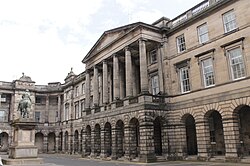
Parliament House in Edinburgh, the former Parliament of Scotland, now houses the Supreme Courts of Scotland

Economic Drivers

The Scottish economy is diverse, ranging from traditional industries to high-tech sectors. Key economic pillars include:

  • Financial Services: Edinburgh is one of the largest financial centers in Europe.
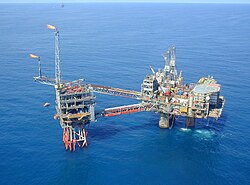
  • Energy: Significant oil and gas extraction occurs in the North Sea.
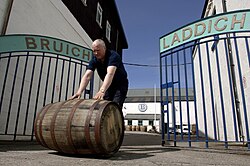
  • Distilling: Scotch whisky is a world-renowned export.

Edinburgh, the 13th-largest financial centre in the world and 4th largest in Europe in 2020[260]

Oil extraction in Scottish waters in the North Sea

Scotch whisky production at Bruichladdich distillery

Culture and National Identity

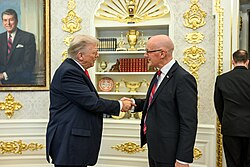
First Minister Swinney meets with U.S. President Donald Trump, September 2025

Scottish identity is a rich tapestry of Celtic and Norse influences. This is evident in the languages spoken, including Scottish Gaelic and Scots, and in the national dress and music, most notably the bagpipes.
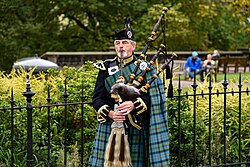
The bagpipes are an instrument largely associated with Scotland, and an early example of popular Scottish music

Arts and Literature

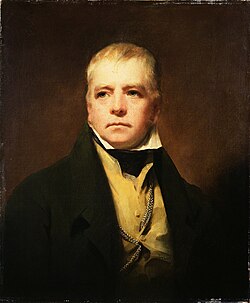
Scotland has a profound literary legacy. Robert Burns, the national poet, is celebrated for his work in the Scots language, while 19th-century novelist Walter Scott helped define the modern image of Scottish identity.
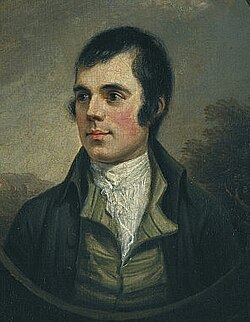
World renowned poet Robert Burns is considered the national poet, best known for works such as "Auld Lang Syne" and writing in the Scots language

Walter Scott, whose Waverley Novels helped define Scottish identity in the 19th century

Traditions and Sport

From the culinary tradition of haggis, neeps, and tatties to the invention of golf at the Old Course at St Andrews, Scotland's contributions to global culture are immense.
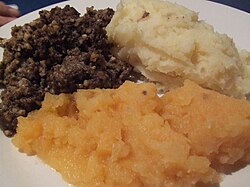
Haggis, neeps and tatties

The Old Course at St Andrews, the oldest golf course in the world

Category Detail
Total Area 80,231 km²
Estimated Population (2024) 5,546,900
Nominal GDP (2025 Est.) £230.9 billion
HDI (2022) 0.933 (Very High)
Largest City Glasgow

Frequently Asked Questions

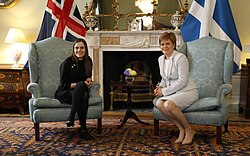
First Minister Sturgeon holds a bilateral meeting with Icelandic Prime Minister Katrín Jakobsdóttir, April 2019
Donald Dewar, the inaugural first minister and was referred to as the "Father of the Nation"[204]
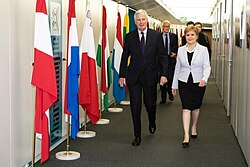
First Minister Nicola Sturgeon with Michel Barnier in Brussels, to discuss Scottish affairs following Brexit, 2019
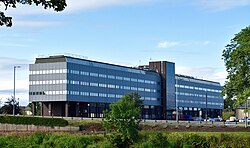
Cunninghame House in Irvine, North Ayrshire, seat of North Ayrshire Council
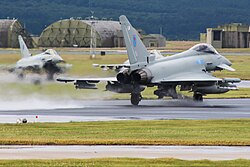
A Typhoon FGR4 in No. 6 Squadron markings at RAF Lossiemouth
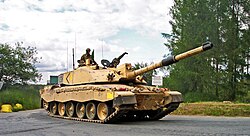
A Challenger 2 main battle tank of the Royal Scots Dragoon Guards
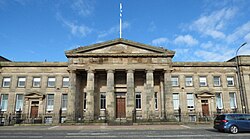
The Justiciary Buildings, Glasgow, which operates as part of the High Court of Justiciary along with similar facilities in Edinburgh and Aberdeen
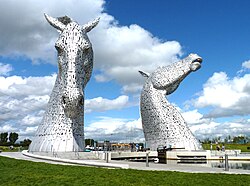
The Kelpies, a major attraction in Falkirk
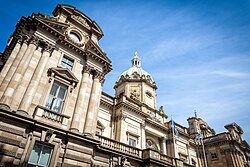
The Bank of Scotland is one of the oldest banks in the world, and the first bank in Europe to successfully print its own banknotes
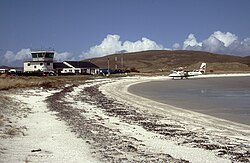
Barra Airport, the only airport in the world to use a tidal beach as the runway
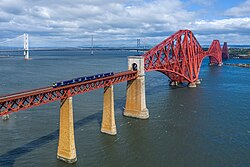
The Forth Bridge, a well-known structure in Scottish rail and a UNESCO World Heritage Site
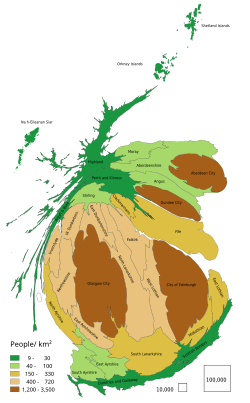
Scotland population cartogram. The size of councils is in proportion to their population.
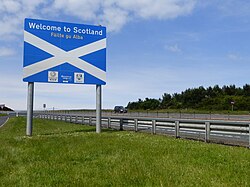
The Anglo-Scottish border, welcoming travellers in both English and Scottish Gaelic
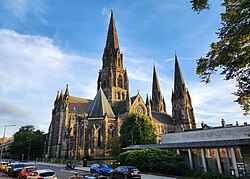
St Mary's Cathedral, Edinburgh
Founded in 1413, the University of St. Andrews is the oldest in Scotland and one of the oldest worldwide[381]
NHS Scotland's Queen Elizabeth University Hospital, Glasgow. It is the largest hospital campus in Europe.[397]
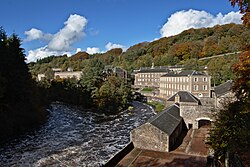
New Lanark, one of the UNESCO World Heritage Sites in Scotland
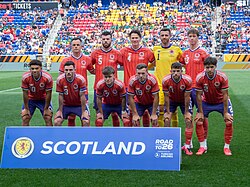
The national football team line up ahead of a game with Bolivia, June 2026
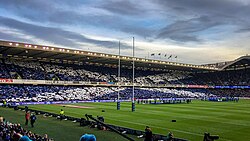
Murrayfield Stadium, the national stadium of the Scottish national rugby team
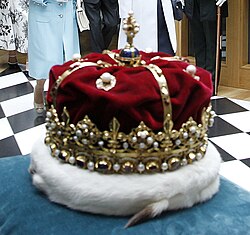
The Crown of Scotland

What is the difference between Scots and Scottish Gaelic?

Scottish Gaelic is a Celtic language primarily spoken in the Highlands and Islands, while Scots is a Germanic language closely related to English, often used in literature and daily speech across the country.

What is devolution in the context of Scotland?

Devolution is the political process where the UK Parliament transferred specific powers—such as health, education, and justice—to the Scottish Parliament, allowing Scotland to govern its own internal affairs.

Which is the highest mountain in Scotland?

Ben Nevis is the highest peak in Scotland and the entire British Isles, reaching an elevation of 4,413 feet (1,345 m).

What is the significance of the Treaty of Union 1707?

The Treaty of Union 1707 merged the Parliaments of Scotland and England, creating the Kingdom of Great Britain and establishing a single sovereign state.

Is the legal system in Scotland the same as in England?

No, Scotland has its own separate legal jurisdiction known as Scots law, which differs from the English legal system in several fundamental ways.