Scottish People: History, Culture, and the Global Diaspora
The Scottish people constitute a distinct ethnic group with a rich heritage that extends far beyond the borders of Scotland. Defined by a complex history of ethnogenesis—the process by which a new ethnic identity emerges—the Scottish identity is a blend of cultural, linguistic, and ancestral threads that have shaped not only the British Isles but the wider world.
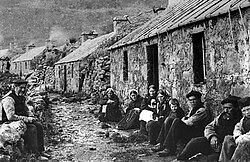
From the rugged Highlands to the urban centers of the Lowlands, the Scottish people have developed a unique cultural footprint. This identity is characterized by a strong sense of national pride, a history of intellectual achievement, and a legacy of migration that has created a vast global diaspora.
Key Facts
- Global Population: Estimated between 28 and 40 million people worldwide.
- Primary Languages: Scottish English, Scots, and Scottish Gaelic.
- Major Diaspora Hubs: The United States, Canada, Australia, and New Zealand.
- Religious Heritage: Historically dominated by Presbyterianism, Catholicism, and Episcopalianism.
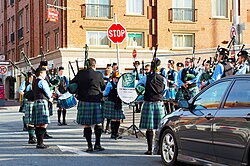
- Cultural Markers: Known for the clan system, bagpipes, kilts, and a significant contribution to science and engineering.
The Scottish Diaspora
The Scottish diaspora refers to the millions of people of Scottish descent living outside of Scotland. This movement was driven by various historical factors, including economic necessity, political upheaval, and the search for new opportunities.
North America
The United States and Canada host some of the largest populations of Scottish descent. In the U.S., millions identify as Scottish or Scots-Irish (people of Scottish origin who migrated to Ireland before moving to North America). In some cases, the number of Scottish-descended Americans exceeds the total population of Scotland itself.
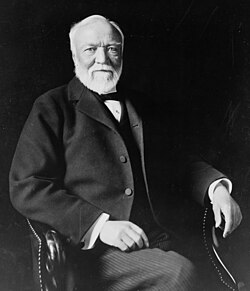
Canada also maintains a significant Scottish presence, with over 4.7 million people claiming Scottish ancestry, representing roughly 15.1% of the local population as of 2016.
Oceania and the Commonwealth
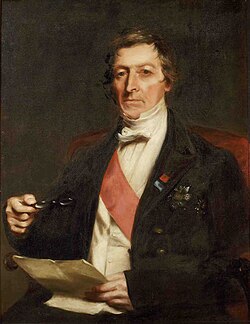
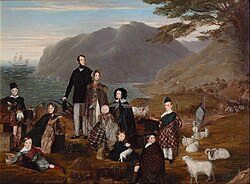
Australia and New Zealand have deep Scottish roots. In Australia, Scottish ancestry is the fourth most commonly nominated ancestry, with over 2.1 million people claiming Scottish heritage. New Zealand also sees a substantial population of Scottish descent, ranging between 1 and 2 million people.
Other Global Regions
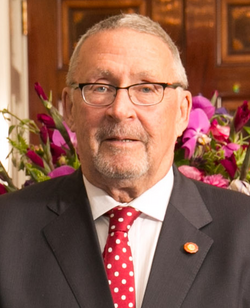
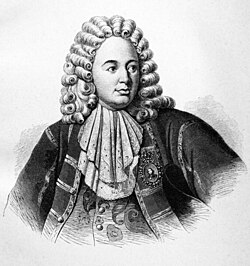
Scottish influence extends to Africa, Latin America, and mainland Europe. Notable examples include a Scottish presence in Argentina and South Africa, as well as historical ties to Russia, Poland, and the Netherlands.

Cultural Identity and Heritage
Scottish culture is a multifaceted tapestry of language, religion, and social organization.
Language and Literature
The linguistic landscape of Scotland is diverse. While Scottish English is the primary tongue, Scots (a Germanic language variety) and Scottish Gaelic (a Celtic language) remain vital symbols of national identity. This linguistic richness has fueled a world-renowned literary tradition, from the poetry of Robert Burns to the contemporary works of Carol Ann Duffy.
![Carol Ann Duffy, the first woman and the first Scottish person to be appointed the Poet Laureate of the United Kingdom[71]](/images/f1/39/f139095b27de35b03426bf79c7b60f6cf9939b924c1416d595131adcde55d76d.jpg)
Social Structure and Religion
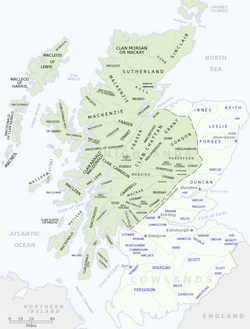
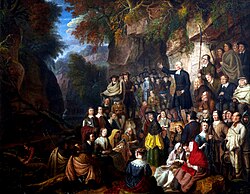
The clan system—a traditional social structure based on kinship and territorial loyalty—remains one of the most recognizable aspects of Scottish heritage. Religiously, Scotland has been shaped by Presbyterianism, Catholicism, and Episcopalianism, though modern trends show a rise in irreligion.
Contributions to Global Society
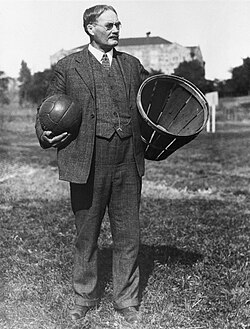
Scots have made indelible marks on science, engineering, and sport. From the invention of basketball by James Naismith to advancements in the Industrial Revolution, the Scottish intellectual tradition has had a global impact.
Population Distribution Summary
The following table provides a snapshot of the Scottish diaspora across key regions based on available census data.
| Country/Region | Population | % of Local Population | Data Year |
|---|---|---|---|
| Canada | 4,799,005 | 15.1% | 2016 |
| Australia | 2,176,777 | 8.4% | 2021 |
| United States (Scottish) | 8,422,613 | 3.6% | 2020 |
| United States (Scots-Irish) | 3,257,161 | 1.1% | 2020 |
| England | 708,872 | 1.34% | 2011 |
Frequently Asked Questions
What is the difference between Scottish and Scots-Irish?
Scottish people are of direct descent from Scotland. Scots-Irish refers to people of Scottish origin who first migrated to Ulster in Ireland before eventually emigrating to other countries, most notably the United States.
What are the native languages of Scotland?
Scotland has two native languages: Scottish Gaelic, a Celtic language primarily associated with the Highlands, and Scots, a Germanic language variety spoken across the Lowlands and beyond.
How large is the Scottish diaspora?
The total global population of people identifying as Scottish is estimated to be between 28 and 40 million, significantly larger than the population of Scotland itself.
Which countries have the highest percentage of Scottish ancestry?
Based on the provided data, Canada has one of the highest percentages of its population claiming Scottish ancestry, at approximately 15.1%.
What is the significance of the clan system?
The clan system was a traditional social organization based on kinship and loyalty to a chief, which played a central role in the history and cultural identity of the Scottish Highlands.