Sausalito History: From Indigenous Roots to Waterfront Bohemianism
Nestled on the shores of the San Francisco Bay, Sausalito is more than just a scenic destination; it is a tapestry of cultural collisions, industrial ambition, and artistic rebellion. From its origins as a peaceful indigenous settlement to its role as a critical wartime shipyard and a haven for bohemians, the town's evolution reflects the broader history of California itself.
Indigenous Culture and the Huimen
Long before European arrival, Sausalito was home to a Coast Miwok settlement known as Liwanelowa. The local branch of the Coast Miwok, called the Huimen (or Nación de Uimen by the Spanish), were noted by early explorers for their hospitality and friendly disposition. Juan de Ayala specifically praised their docile nature and faithfulness in friendship.
Tragically, this kindness was met with violence. Over several generations, European settlers decimated the Huimen population. By 1907, an archaeological survey revealed that the culture of the original inhabitants had been almost entirely erased, leaving behind only remnants of their dwellings.
European Arrival and the Birth of Rancho Saucelito
The first recorded European visit occurred on August 5, 1775, when Don José de Cañizares led an advance party from the ship San Carlos to find a suitable anchorage. The crew reported a land rich in wildlife—including deer, elk, and sea lions—and an abundance of mature timber essential for shipwrights to build masts and planking.
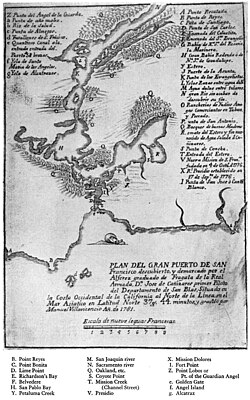
Despite these resources, the Spanish government focused its efforts on the southern shore of the bay, establishing the Presidio of San Francisco and Mission Dolores to avoid difficult overland portage to Monterey. Consequently, the northern shore remained largely wilderness for fifty years.
The shift toward permanent settlement began with William A. Richardson, an English mariner who became a Mexican citizen and converted to Catholicism. In 1825, Richardson petitioned for a land grant in the headlands, naming it Rancho Saucelito. The name is believed to refer to a cluster of willows, which signaled the presence of a freshwater spring.
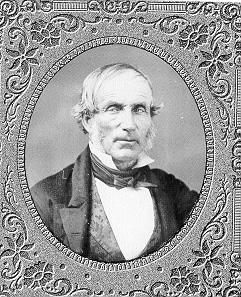
Richardson initially used the spring as a watering station for ships in Richardson Bay. After years of legal disputes over land titles and military restrictions, he finally secured clear title to 19,751 acres of the rancho on February 11, 1838.
A Divided Community: Fishermen and Yachting
Following the Gold Rush, Sausalito developed a unique social dynamic. While it was geographically close to San Francisco, it was effectively isolated; a boat trip took thirty minutes, but a carriage journey required a hundred-mile detour around the bay. This isolation created a community dominated by two distinct groups: commercial fishermen and wealthy yachting enthusiasts.
The Manganese Mining Experiment
In the 1870s, the discovery of manganese in the hills west of Old Town led to small-scale mining. Henry Eames established an ore reduction plant at the foot of Main Street. However, the venture was modest, producing only about fifty tons of black oxide annually by 1880, preventing Sausalito from becoming a true mining hub.
The Era of the Transit Hub
Sausalito's identity shifted toward transportation in the late 19th century. The North Pacific Coast Railroad extended its tracks to the town, establishing a rail yard and ferry service to San Francisco. By 1926, a major auto ferry linked the Sausalito Ferry Terminal to the Hyde Street Pier, becoming a vital segment of old U.S. Highway 101.
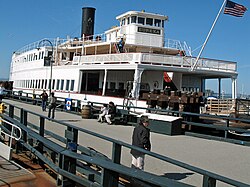
This era of congestion and transit ended abruptly in May 1937 with the opening of the Golden Gate Bridge. The bridge bypassed the town and rendered large-scale car ferries redundant. By March 1941, car ferry and rail terminal services ceased, though passenger ferries continue to operate today.
Prohibition and World War II Industrialization
During Prohibition, Sausalito's geography made it an ideal center for bootlegging and a frequent landing spot for rum runners. This clandestine atmosphere was later captured in the 1942 film China Girl, featuring the Valhalla restaurant.
The onset of World War II brought rapid industrialization. The Bechtel Corporation established Marinship, a massive shipyard that employed thousands of laborers who lived in the nearby community of Marin City. The government condemned 202 acres of land, using dredgings from Richardson Bay to create Schoonmaker Point.
A Milestone for Civil Rights
Marinship became the site of a landmark legal battle for civil rights. In the 1944 case James v. Marinship, the California Supreme Court ruled that African Americans could not be excluded from jobs based on race. Thurgood Marshall successfully argued that the Boilermakers Union must offer equal membership to Black workers, a ruling that extended to all unions across California.
Postwar Bohemianism and the Houseboat Wars
After the war, the Marinship site fell into disrepair. The owner, Donlon Arques, allowed the property to remain largely untouched, attracting a community of bohemians, artists, and the disenfranchised who saw the shipyard's ruins as a "wonderland of potential."
By the late 1960s, three houseboat communities had formed. This led to the "Houseboat Wars" of the 1970s, a conflict involving forced removals and sabotage as waterfront residents clashed with developers and wealthy "Hill People." Today, communities like Galilee Harbor still persist.
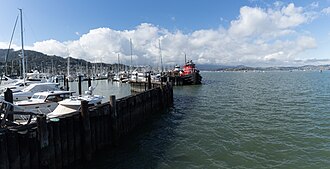
The town also fought to preserve its surrounding environment. In 1970, Sausalito won a lawsuit against the County of Marin and developer Thomas Frouge to stop the construction of a planned city called Marincello. The 2,000 acres of disputed land were subsequently transferred to the Golden Gate National Recreation Area.
Key Facts
- Indigenous Roots: Originally the site of the Liwanelowa settlement of the Coast Miwok (Huimen).
- First European Visit: Don José de Cañizares arrived on August 5, 1775.
- Rancho Saucelito: Granted to William A. Richardson in 1838, totaling 19,751 acres.
- Transit Shift: The 1937 opening of the Golden Gate Bridge ended the town's era as a primary auto-ferry hub.
- Civil Rights: The James v. Marinship (1944) case ended racial exclusion in California unions.
- Environmental Win: A 1970 lawsuit prevented the development of the city of Marincello.
| Period/Year | Key Event | Significance |
|---|---|---|
| Pre-1775 | Liwanelowa Settlement | Home to the Huimen (Coast Miwok). |
| 1775 | First European Visit | Don José de Cañizares explores the anchorage. |
| 1838 | Rancho Saucelito Grant | William Richardson secures title to 19,751 acres. |
| 1937 | Golden Gate Bridge Opens | Reduces ferry traffic and changes town economy. |
| 1944 | James v. Marinship | Landmark ruling against racial discrimination in unions. |
| 1970 | Marincello Lawsuit | Prevents urban sprawl; creates open space. |
Frequently Asked Questions
Who were the original inhabitants of Sausalito?
The area was originally inhabited by the Huimen, a branch of the Coast Miwok people who lived in a settlement known as Liwanelowa.
What does the name "Sausalito" mean?
Sausalito is believed to refer to a small cluster of willows, which indicated the presence of a freshwater spring in the area.
How did the Golden Gate Bridge affect the town?
The bridge made large-scale car ferry operations redundant and bypassed the town, significantly reducing the automobile traffic that had previously defined Sausalito as a transit hub.
What was the significance of the Marinship shipyard?
Beyond its wartime production, Marinship was the site of the James v. Marinship case, which legally prohibited California unions from excluding African American workers.
What were the "Houseboat Wars"?
The Houseboat Wars were a series of conflicts in the 1970s between waterfront houseboat residents and developers/county authorities over land use and removals.
What happened to the planned city of Marincello?
The City of Sausalito successfully sued to stop the illegal zoning of 2,000 acres for Marincello in 1970, resulting in the land becoming part of the Golden Gate National Recreation Area.