San FranciscoCalifornia historyGolden Gate BridgeSan Francisco demographics1906 earthquake

San Francisco: A Comprehensive History and Profile of the City by the Bay

San Francisco: A Comprehensive History and Profile of the City by the Bay San Francisco is a world-renowned consolidated city-county located in the San Francisco Bay Area of California. K...

San Francisco: A Comprehensive History and Profile of the City by the Bay

San Francisco is a world-renowned consolidated city-county located in the San Francisco Bay Area of California. Known for its dramatic hills, iconic fog, and a spirit of innovation, the city serves as a global hub for technology, finance, and culture. From its origins as a Spanish mission to its current status as a center of the postmodern American era, San Francisco has consistently redefined itself through resilience and diversity.

The city is uniquely positioned on a peninsula, bordered by the Pacific Ocean to the west and the San Francisco Bay to the east. This geography has shaped its development, making it a critical port and a gateway to the West.
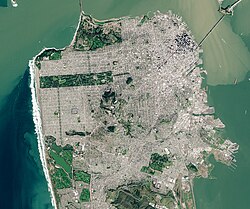
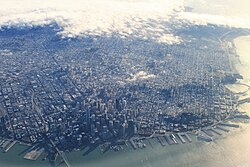
A satellite view of San Francisco

Key Facts

Juana Briones de Miranda, known as the "Founding Mother of San Francisco"[46]
  • Founded: June 29, 1776, by Juan Bautista de Anza, José Joaquín Moraga, and Francisco Palóu.
  • Population: 873,965 (2020 Census), with a metropolitan population of over 4.6 million.
  • Economy: A massive economic engine with a city-county GDP of $268.3 billion (2024).
  • Geography: Total area of 231.91 sq mi, with nearly 80% consisting of water.
  • Highest Point: Mount Davidson at 934 feet.
  • Government: Mayor-council system with a Board of Supervisors.

Historical Evolution
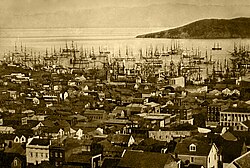
Port of San Francisco in 1851

Spanish and Mexican Eras (1769–1848)

The city's colonial history began with the Spanish Empire. In 1776, Juan Bautista de Anza established the Presidio of San Francisco, a military fort designed to protect the region.
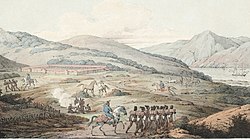
Juan Bautista de Anza established the Presidio of San Francisco for the Spanish Empire in 1776.

Shortly after, on October 9, 1776, Padre Francisco Palóu founded the Mission San Francisco de Asís, establishing the religious foundation of the settlement. The region later transitioned to Mexican rule in 1821, during which time the settlement grew into the village of Yerba Buena.
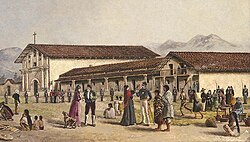
Mission San Francisco de Asís was founded by Padre Francisco Palóu on October 9, 1776.

The American Conquest and the Gold Rush

The transition to American control began with the 1846 Capture of Yerba Buena, a key early victory for the United States during the conquest of California. However, the city's trajectory changed forever in 1848 with the discovery of gold. The resulting Gold Rush triggered a massive population explosion; the population jumped from roughly 1,000 in 1848 to 25,000 by 1849.
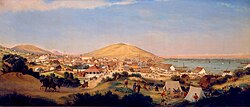
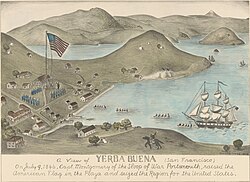
San Francisco in July 1849 Painting by George Henry Burgess

The 1846 Capture of Yerba Buena was an early U.S. victory in the American conquest of California.

This era saw the rise of the city as a commercial powerhouse. The Bank of California, established in 1864, became the first commercial bank in the Western United States, cementing the city's role as the "Wall Street of the West."

The Bank of California, established in 1864, was the first commercial bank in Western United States.[63]

Catastrophe and Recovery

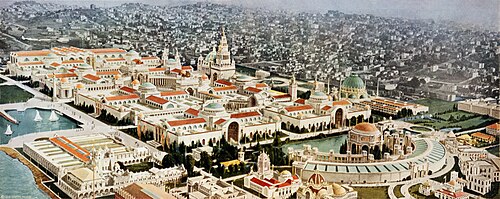
The most defining moment of the early 20th century was the 1906 San Francisco earthquake, the deadliest earthquake in U.S. history. The disaster leveled much of the city, but San Francisco rebuilt with remarkable speed. By 1915, the city hosted the Panama–Pacific International Exposition to showcase its recovery to the world.
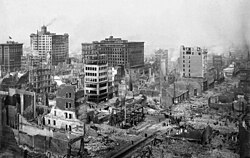
The 1906 San Francisco earthquake was the deadliest earthquake in U.S. history.

The Panama–Pacific Exposition, a major world's fair held in 1915, was seen as a chance to showcase the city's recovery from the earthquake.

The Modern and Postmodern Eras

In the mid-20th century, San Francisco became a site of global diplomacy. In 1945, the United Nations Charter was signed at the San Francisco Conference, leading to the creation of the UN.
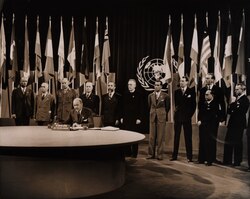
The United Nations was created in San Francisco in 1945, when the United Nations Charter was signed at the San Francisco Conference.

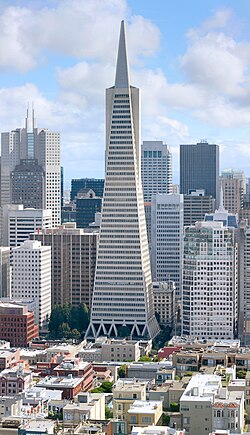
The 1960s brought a cultural revolution, most notably the 1967 Summer of Love, where approximately 100,000 people gathered in the Haight-Ashbury neighborhood, fueling a global counterculture movement. The latter part of the century saw the "Manhattanization" of the skyline, exemplified by the construction of the Transamerica Pyramid in 1972.
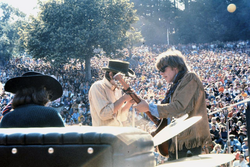
The Summer of Love in 1967 was an influential counterculture phenomenon with as many as 100,000 people converging in San Francisco's Haight-Ashbury neighborhood.

The Transamerica Pyramid, built in 1972, characterized the Manhattanization of the city's skyline in the 1970–80s.

Geography and Climate

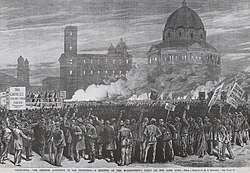
Illustration by H.A. Rodgers for Frank Leslie's Illustrated Newspaper (March 20, 1880) showing a Workingmen's Party of California anti-Chinese rally on the sand lots near San Francisco City Hall

San Francisco is characterized by its varied terrain and a Mediterranean climate. The city is famous for its summer fog, a regular meteorological phenomenon that keeps temperatures cool even during the warmest months.
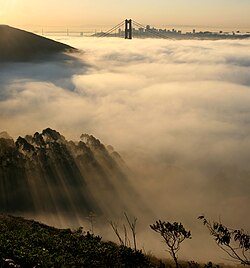
San Francisco fog is a regular phenomenon in the summer.

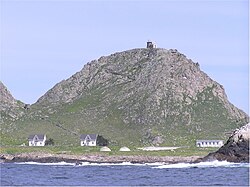
The city's boundaries extend from the dense urban core to natural landmarks like Lake Merced in the southwest and the Farallon Islands off the Pacific coast.
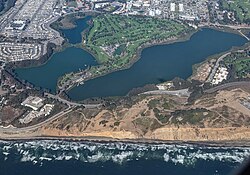
Lake Merced, located in southwestern San Francisco

The Farallon Islands are located in the Gulf of the Farallones, off the Pacific coast of San Francisco.

City Summary Table

San Francisco Quick Reference Guide
Category Detail
Official Motto Oro en Paz, Fierro en Guerra (Gold in Peace, Iron in War)
Incorporation Date April 15, 1850
Land Area 46.92 sq mi
Water Area 185.00 sq mi
2020 Population 873,965
City GDP (2024) $268.3 Billion

Demographics and Culture

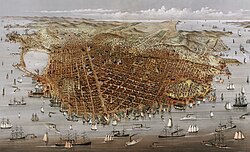
A view of the city in 1878

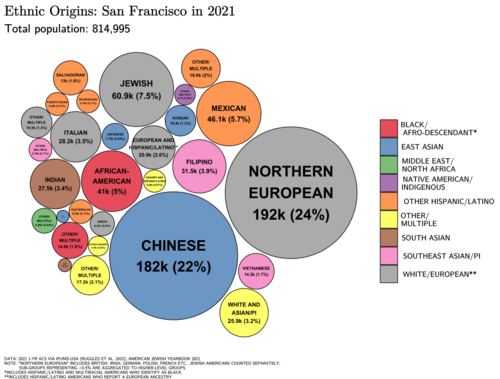
San Francisco is one of the most diverse cities in the United States. While the Non-Hispanic White population has decreased over the decades (from 90.2% in 1860 to 39.1% in 2020), the Asian population has grown significantly, now making up 33.7% of the residents. This is highlighted by the presence of San Francisco's Chinatown, the oldest in North America.
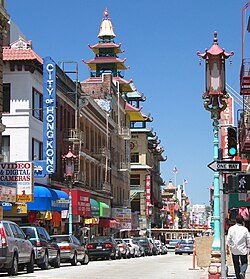
San Francisco Chinatown, the oldest in North America and one of the world's largest.

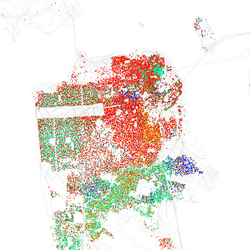
Ethnic origins in San Francisco

A racial distribution map of San Francisco, 2010 U.S. Census. Each dot is 25 people: ⬤ White ⬤ Black ⬤ Asian ⬤ Hispanic ⬤ Other

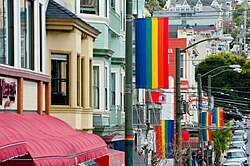
The city is also a global beacon for the LGBTQ+ community. The Castro district is one of the first gay villages in the U.S., and the gay pride flag was originally developed right here in San Francisco.

The Castro is famous as one of the first gay villages in the country.[127]

The gay pride flag was originally developed in San Francisco.

Urban Infrastructure and Landmarks

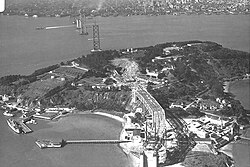
The Bay Bridge under construction on Yerba Buena Island in 1935

Transportation

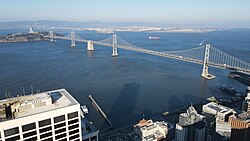
The city's transit system is a mix of historic and modern modes. This includes the world-famous cable cars, the Muni Metro, and the Golden Gate Ferries. Major bridges, such as the Bay Bridge and the Golden Gate Bridge, connect the city to the East Bay and North Bay respectively.
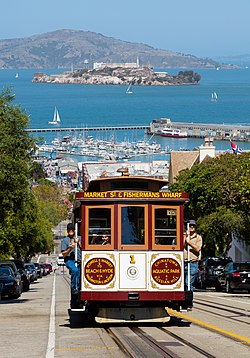
A San Francisco cable car with Alcatraz seen behind

The Bay Bridge connects the city to Oakland and the East Bay.

Key Districts and Attractions

  • Financial District: The economic heart of the city, often called the "Wall Street of the West."
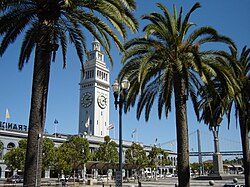
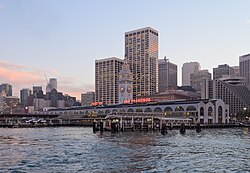
  • The Embarcadero: The eastern waterfront featuring the historic Ferry Building.
  • Golden Gate Park: One of the most visited city parks in the U.S.
  • The Mission District: The historic center for the city's Hispanic and Latino community.
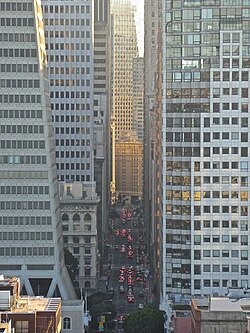
San Francisco's Financial District is considered the Wall Street of the West.

The Ferry Building, located in the Embarcadero, the city's eastern waterfront along San Francisco Bay

Golden Gate Park is the 3rd most-visited city park in the U.S., after Central Park and the National Mall.[323]

The Mission District is the historic center of the city's Chicano/Mexican-American population and greater Hispanic and Latino community.

Education and Government

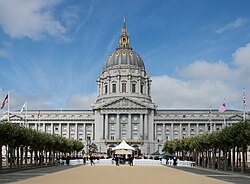
San Francisco is home to several prestigious institutions, including the University of San Francisco and San Francisco State University. The city's government is centered at City Hall, a landmark designed by Arthur Brown Jr. and completed between 1913 and 1916.
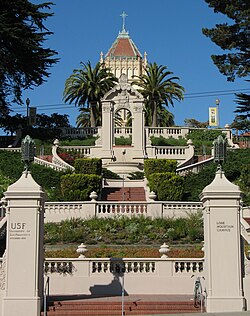
The University of San Francisco

San Francisco City Hall, built 1913–16 and designed by Arthur Brown Jr.

Frequently Asked Questions

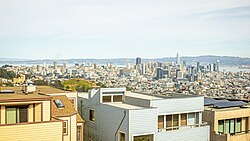
San Francisco cityscape and East Bay, from Pikes Peak, above the Castro
The San Francisco cityscape and East Bay, seen from Twin Peaks, above the Castro.
A view of San Francisco's central districts along its northeastern coastline
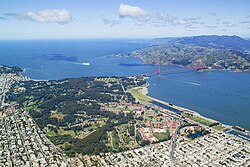
An aerial view of the Presidio of San Francisco and the Golden Gate
Sea Cliff is one of the city's most expensive neighborhoods.[174]
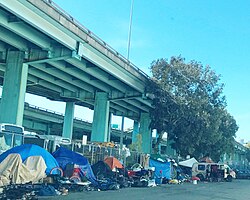
A homeless encampment under a freeway in San Francisco
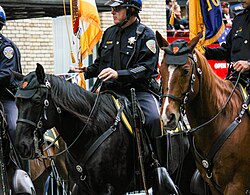
SFPD mounted police officers
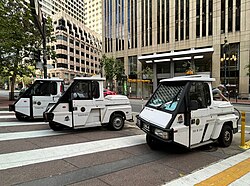
SFPD parking enforcement officers
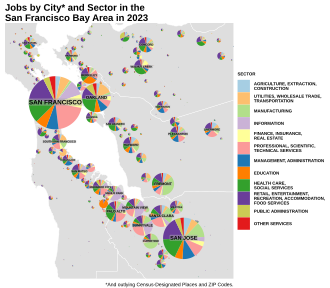
Map of Jobs in the Bay Area by City and Sector
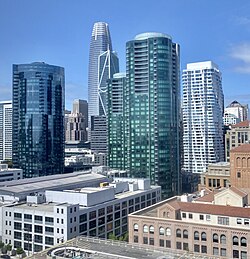
Skyline of South of Market (SoMa), including Salesforce Tower, the tallest building in San Francisco
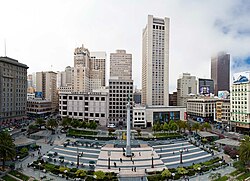
Union Square is a major retail hub for San Francisco and the Bay Area.
Ferry Building in the Embarcadero.
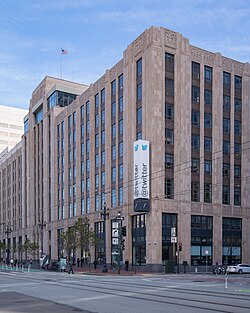
Former X headquarters on Market Street, prior to moving to Austin, Texas
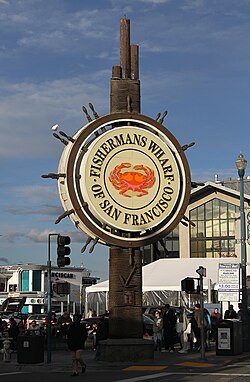
The Fisherman's Wharf is a popular tourist attraction.
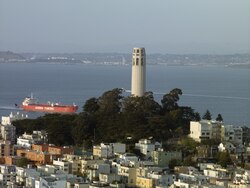
Coit Tower on Telegraph Hill
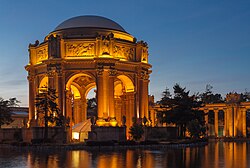
The Palace of Fine Arts, originally built for the 1915 Panama–Pacific International Exposition
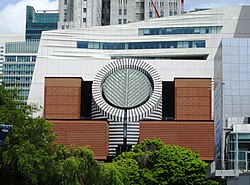
The San Francisco Museum of Modern Art, also known as SF MOMA
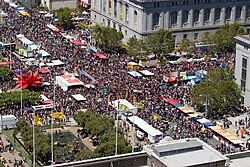
San Francisco Pride is one of the oldest and largest LGBTQ pride events in the world.
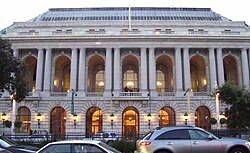
War Memorial Opera House, part of the S.F. War Memorial & Performing Arts Center, one of the largest performing arts centers in the U.S.
Golden Gate Theatre is located in the historic Theatre District
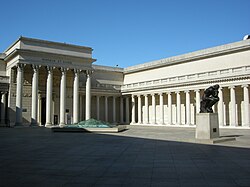
The California Palace of the Legion of Honor, part of the Fine Arts Museums of San Francisco
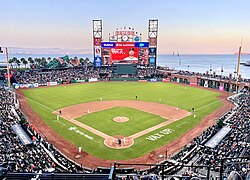
Oracle Park, home of the SF Giants
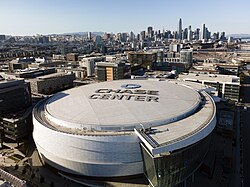
Chase Center, home of the Golden State Warriors
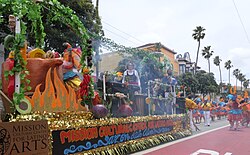
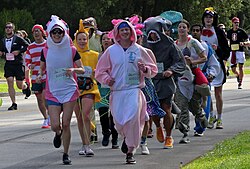
Bay to Breakers is an annual foot race known for colorful costumes.
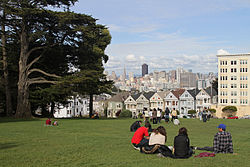
Painted Ladies on Alamo Square.
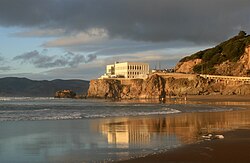
The Cliff House over Ocean Beach
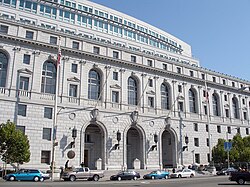
The Supreme Court of California is based in the Earl Warren Building.
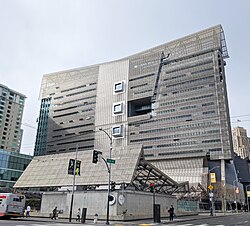
San Francisco Federal Building
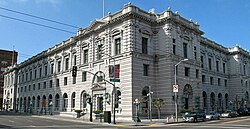
The historic Browning Courthouse
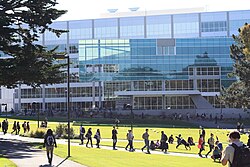
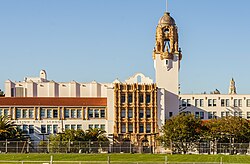
The San Francisco State University library building
The University of California College of the Law
The San Francisco Unified School District operates 114 schools and is the oldest school district in California.
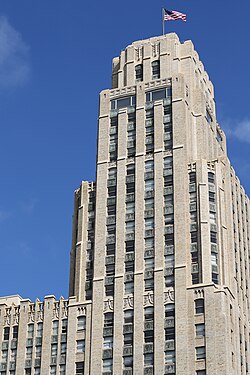
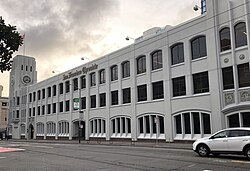
The San Francisco Chronicle building
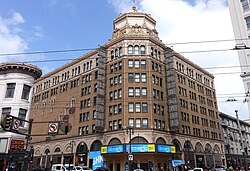
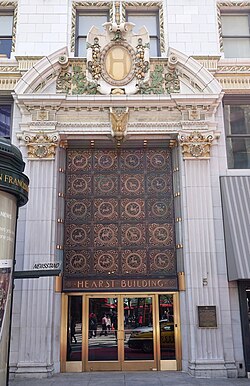
The Julia Morgan-designed Hearst Building, the western headquarters of the Hearst Corporation
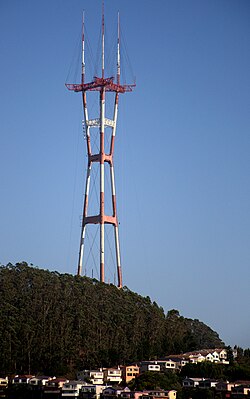
Sutro Tower is a broadcast tower and local landmark.
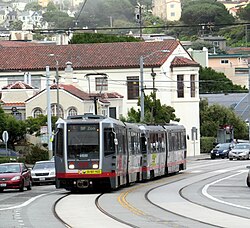
Muni Metro, run by SF Muni
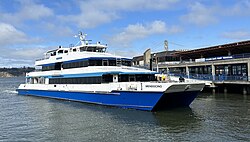
Golden Gate Ferries connect the city to North Bay communities, while San Francisco Bay Ferry connects the city to both the North and East Bay.
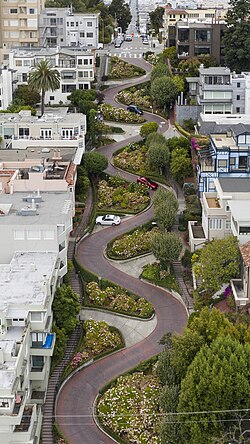
Lombard Street in Russian Hill is famed as "the most crooked street in the world".
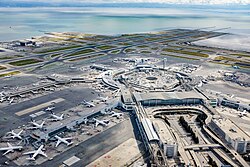
San Francisco International Airport, one of the busiest airports in the world
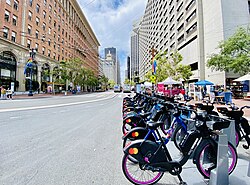
A Bay Wheels station on Market St.
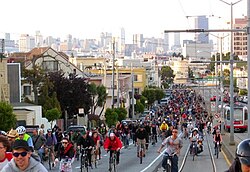
A San Francisco cycling event

When was San Francisco founded?

San Francisco was founded on June 29, 1776, by Juan Bautista de Anza, José Joaquín Moraga, and Francisco Palóu.

What is the significance of the 1906 earthquake?

The 1906 earthquake was the deadliest in U.S. history and caused massive destruction, leading to a period of rapid rebuilding and the eventual hosting of the 1915 Panama–Pacific International Exposition.

Which neighborhood is the center of the LGBTQ+ community?

The Castro is famous as one of the first gay villages in the United States and remains a central hub for the LGBTQ+ community.

What is the "Wall Street of the West"?

This term refers to San Francisco's Financial District, reflecting the city's historical and current role as the primary financial center for the Western United States.

How does the city's geography affect its climate?

The city's position between the Pacific Ocean and the Bay creates a unique microclimate, most notably resulting in the frequent summer fog that keeps temperatures mild.