Miwok Peoples: History, Culture, and Heritage of Northern California
The Miwok (also spelled Miwuk, Mi-Wuk, or Me-Wuk) are indigenous peoples of Northern and Central California. The name "Miwok" simply translates to "people" in their own languages. Traditionally speaking languages from the Utian family, the Miwok have a deep historical connection to the diverse landscapes of the region, from the rugged peaks of the Sierra Nevada to the shores of the Pacific Ocean.
Historically, the Miwok lived in small bands without a centralized political authority. They were complex hunter-gatherers who domesticated dogs and cultivated tobacco, maintaining a sophisticated relationship with the natural environment long before European contact in 1769.
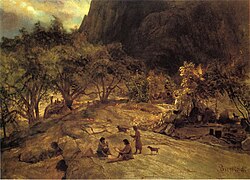
Key Facts
- Meaning: The word Miwok means "people."
- Language: They speak Miwok languages belonging to the Utian family.
- Geography: Traditionally inhabited the Sierra Nevada, Central Valley, and coastal regions including Marin, Sonoma, Lake, and Contra Costa counties.
- Social Structure: Organized into small bands with no centralized political authority.
- Population Trend: Estimated at over 11,000 to 25,000 in the late 18th century, dropping significantly by 1930, and recovering to approximately 3,500 by 2000.
Miwok Subgroups
Anthropologists categorize the Miwok into four primary subgroups based on geography and culture, though these distinctions were not used by the Miwok themselves prior to European contact.
- Plains and Sierra Miwok: Located in the Sacramento and San Joaquin Valleys, the Sacramento-San Joaquin Delta, and the foothills and western slopes of the Sierra Nevada.
- Coast Miwok: Inhabited southern Sonoma County and Marin County, including the Marin and Bodega Bay Miwok.
- Lake Miwok: Centered around the Clear Lake basin in Lake County.
- Bay Miwok: Located in present-day Contra Costa County.
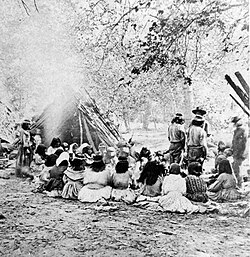
Tribal Recognition and Governance
Today, the Miwok legacy continues through various tribal entities. The United States Bureau of Indian Affairs officially recognizes eleven tribes of Miwok descent in California.
Federally Recognized Tribes
- Buena Vista Rancheria of Me-Wuk Indians of California
- California Valley Miwok Tribe (formerly Sheep Ranch Rancheria of Me-Wuk Indians)
- Chicken Ranch Rancheria of Me-Wuk Indians
- Federated Indians of Graton Rancheria (formerly Federated Coast Miwok)
- Ione Band of Miwok Indians of California
- Jackson Band of Miwuk Indians (previously Jackson Rancheria of Me-Wuk Indians of California)
- Middletown Rancheria of Pomo Indians of California (composed of Pomo, Lake Miwok, and Wintun descent)
- Shingle Springs Band of Miwok Indians (Shingle Springs Rancheria)
- Tuolumne Band of Me-Wuk Indians of the Tuolumne Rancheria of California
- United Auburn Indian Community of Auburn Rancheria of California
- Wilton Rancheria
Non-Federally Recognized Tribes
Several other groups maintain their identity and community without federal recognition, including the Miwok Tribe of the El Dorado Rancheria, the Nashville-Eldorado Miwok Tribe, the Colfax-Todds Valley Consolidated Tribe of the Colfax Rancheria, the Southern Sierra Miwuk Nation, the Calaveras Band of Mi-Wuk Indians, the Miwok of Buena Vista Rancheria, and the River Valley Miwok Indians.
Cultural Traditions and Lifestyle
Cuisine and Environmental Management
The Miwok utilized a wide array of natural resources. The Sierra Miwok harvested acorns from the California Black Oak; they actively managed these forests by burning understory vegetation to reduce Ponderosa Pine, a practice that still influences the landscape of Yosemite National Park today.
Their diet included bulbs, seeds, fungi, and animals hunted with snares, clubs, or arrows. Grasshoppers were highly prized, and those near the Stanislaus River relied on mussels. The Coast Miwok gathered foods from the Marin peninsula and dived for abalone in the Pacific Ocean. Food was stored in flat-bottomed baskets, and meals were eaten based on appetite rather than a strict schedule.
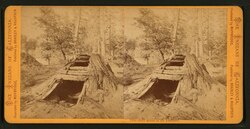
Religion and Spirituality
Miwok spirituality involved shamanism and the Kuksu mythology. Their creation stories are similar to other Northern California indigenous groups. They utilized totem animals associated with two moieties (social divisions)—one linked to land and the other to water. These animals were viewed as predecessors to humans rather than literal ancestors.
Sports: Poscoi a We'a
The Miwok played a mixed-gender game called poscoi a we'a on a 110-yard field. The goal was to move an elk hide ball to the opposing team's goalpost. Rules differed by gender: women could handle the ball with any part of their body, while men were restricted to kicking it. However, men were permitted to pick up a woman holding the ball and carry her toward the goal.
![Benjamin Barry (Miwok), World War II veteran and fire chief, in parade dress[33]](/images/93/07/93072b244cc550d760a6e9adb16c53b5e0f95b0c4d33afc3746383beb33256d0.jpg)
Population and Historical Distribution
Population estimates vary by source. Historian Alfred L. Kroeber estimated the 1770 population at 11,000 (9,000 Plains/Sierra, 1,500 Coast, and 500 Lake), though he omitted the Bay Miwok. Other historians suggest the population was at least 25,000 in 1769. Following a sharp decline—reaching a low of 491 in the 1930 Census—the population grew to approximately 3,500 by the year 2000.
| Year/Era | Estimated Population | Notes |
|---|---|---|
| 1769-1770 | 11,000 - 25,000+ | Pre-contact/Early contact estimates |
| 1910 | 670 | U.S. Census data |
| 1930 | 491 | U.S. Census data |
| 2000 | 3,500 | U.S. Census data |
Influence on Popular Culture
The Miwok have influenced modern media in various ways. The forest-dwelling Ewoks from the Star Wars films are believed to be named after the Miwok. They also appear in Kim Stanley Robinson's alternate history novel The Years of Rice and Salt and are mentioned in the 2025 Netflix series Untamed.
Frequently Asked Questions
What does the word "Miwok" mean?
In the Miwok languages, the word Miwok simply means "people."
How did the Miwok manage the forests of Yosemite?
The Sierra Miwok used controlled burning of understory vegetation to reduce the amount of Ponderosa Pine, which helped promote the growth of California Black Oak for acorn harvesting.
What was the unique rule for men in the game of poscoi a we'a?
Men were only allowed to kick the ball; however, they could pick up a woman who was holding the ball and run with her toward the goal.
Where did the Miwok traditionally live?
They inhabited various regions of Northern and Central California, including the Sierra Nevada Mountains, the Central Valley, and coastal areas such as Marin, Sonoma, Lake, and Contra Costa counties.
What are the different subgroups of the Miwok?
Anthropologists divide them into four groups: Plains and Sierra Miwok, Coast Miwok, Lake Miwok, and Bay Miwok.