Santa Fe Province: Argentina's Agricultural and Historical Powerhouse
Located in the heart of Argentina, the Province of Santa Fe is a land of vast green plains, strategic waterways, and a rich political legacy. As one of the nation's most vital economic engines, it balances a deep historical identity with a modern role as a global leader in agricultural exports. From the bustling port of Rosario to the administrative center of Santa Fe de la Vera Cruz, the province is a cornerstone of Argentine identity.
The region is characterized by its santafesino people and a landscape dominated by the humid Pampas—fertile lowlands that have made the province a titan of farming and livestock.
Key Facts
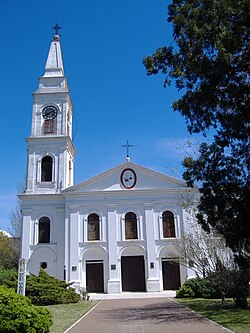
- Population: 3,556,522 (2022 Census), ranking 3rd in Argentina.
- Economy: 4th largest in the country, contributing 8% of the national GDP.
- Agricultural Lead: A primary national producer of soybeans, maize, and wheat.
- Strategic Infrastructure: Home to the ports of Rosario and San Lorenzo, which handle a majority of Argentina's cereal exports.
- Human Development: Very high HDI of 0.841 (2021).
A Legacy of Independence and Governance
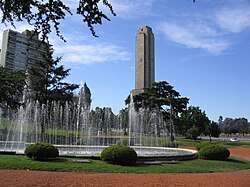
The European history of Santa Fe began in 1527 with Sebastian Cabot's fort, Sancti Spiritus. However, the permanent foundation of the city of Santa Fe was established by Juan de Garay in 1573, eventually moving to its current location by 1660.
The province played a pivotal role in the birth of the Argentine nation. In 1812, General Manuel Belgrano first displayed the Argentine flag on the banks of the Paraná River in Rosario.
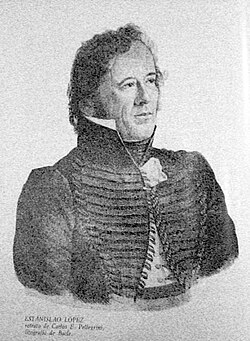
Santa Fe's journey toward autonomy was marked by the influence of caudillos (regional political-military leaders) like Estanislao López. Under López, Santa Fe became the first province to adopt its own constitution in 1818, establishing a conservative framework that helped the province navigate the civil strifes of the early 19th century.
In the 20th century, the province focused on modernization. A landmark achievement was the construction of the Hernandarias Tunnel, a 16-kilometer connection between the city of Santa Fe and Paraná. This remains the longest tunnel in Argentina, facilitating critical transport across the Paraná River.
Geography and Climate
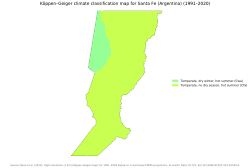
Santa Fe is primarily composed of flatlands within the humid Pampas, transitioning into the Gran Chaco region to the north and low sierras to the west. The climate is temperate and humid, which is ideal for large-scale agriculture.
Temperatures vary by region: the north is warmer, averaging 19°C, while the south averages 14°C. Summers are hot and humid, often reaching 40°C during heat waves, while winters can bring cold fronts with temperatures dropping as low as -8°C in the south. Rainfall is highest in the northeast (1,200 mm) and lowest in the southwest (800 mm).
The Paraná River is the province's most significant waterway, providing a vital link to the Atlantic Ocean via the Río de la Plata. While the river is an economic boon, the region is prone to flooding, as seen in catastrophic events in 2003 and 2007.
Economic Powerhouse
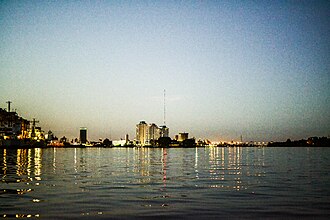
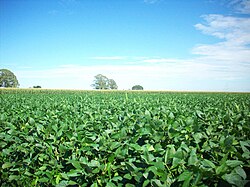
The economy of Santa Fe is highly diversified but remains anchored in agriculture. The province manages 21% of Argentina's cultivated land, dominating the production of soybeans, sunflowers, maize, wheat, and rice.
Livestock is equally critical, with 6.5 million head of cattle providing 40% of the national milk production. This raw output is supported by a massive industrial network, including over 5,000 dairies and various manufacturing plants producing steel, chemicals, and agricultural machinery.
The logistics hub between Rosario and San Lorenzo is one of the most important in the Southern Hemisphere. These ports export 65% of Argentina's cereals and 55% of the country's total exports, making Santa Fe a global player in the food supply chain.
Demographics and Administration
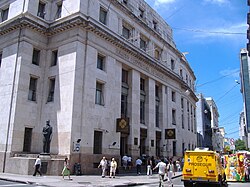
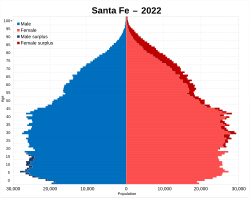
The population is predominantly of European descent, stemming from waves of immigration between 1850 and 1950, particularly from Italy, Spain, Switzerland, and Germany. The 2022 census recorded a total population of 3,556,522.
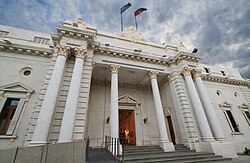
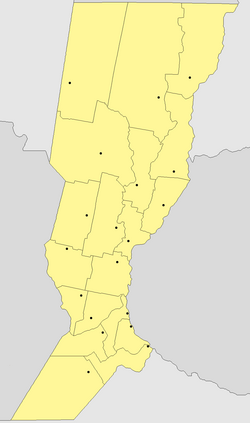
Administratively, the province is divided into 19 departments. These are further split into municipalities (cities with over 10,000 inhabitants) and communes (smaller towns). The government operates under a three-branch system: an executive led by a Governor, a bicameral legislature, and a judiciary headed by the Supreme Court.
| City | Population | Role/Significance |
|---|---|---|
| Rosario | 1,193,605 | Major Port & Economic Hub |
| Santa Fe | 369,000 | Provincial Capital |
| Rafaela | 100,000 | Industrial/Agricultural Center |
| Reconquista | 99,000 | Northern Regional Hub |
| Villa Gobernador Gálvez | 74,000 | Industrial Satellite |
Notable Figures
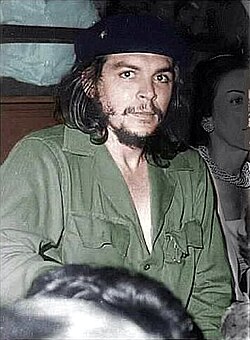
Santa Fe has been the birthplace or home to numerous influential figures across politics, arts, and sports. These include the caudillo Estanislao López, the revolutionary Ernesto "Che" Guevara, and the world-renowned footballer Lionel Messi.
Frequently Asked Questions

What is the primary economic driver of Santa Fe?
Agriculture is the primary driver, specifically the production and export of soybeans, maize, and wheat, supported by a massive dairy industry and strategic ports in Rosario.
Which city is the capital of the province?
The capital is Santa Fe de la Vera Cruz, though Rosario is the most populous city and a major economic center.
What is the significance of the Hernandarias Tunnel?
It is the longest tunnel in Argentina, spanning 16 kilometers to connect the city of Santa Fe with the city of Paraná under the Paraná River.
How does the climate affect the region?
The humid, temperate climate of the Pampas makes the region one of Argentina's richest agricultural zones, though it also makes the area susceptible to heavy rainfall and flooding.
Who was Estanislao López?
He was a prominent caudillo and governor who established Santa Fe's first constitution in 1818 and became a central figure of the Federal Party.