Rosario: The Vibrant Hub of Argentina's Santa Fe Province
Known as the "Birthplace of the Argentine Flag" and often referred to as the "Argentine Chicago," Rosario is a powerhouse of culture, commerce, and history. Located in the province of Santa Fe, this bustling city serves as a critical gateway for trade and a beacon of artistic expression in South America.
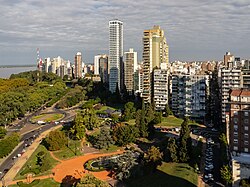
With a metropolitan population exceeding 1.6 million people, Rosario is the third-largest city in Argentina. It is defined by its strategic position along the Paraná River, which has fueled its growth from a small settlement into a global economic player.
Key Facts
- Population: Approximately 1,276,000 (city) and 1,613,041 (metro area).
- Economic Status: A major port city with a 2023 GDP (PPP) of $37.9 billion.
- Global Fame: Birthplace of football legend Lionel Messi.
- Geography: Situated at an elevation of 31 meters on the banks of the Paraná River.
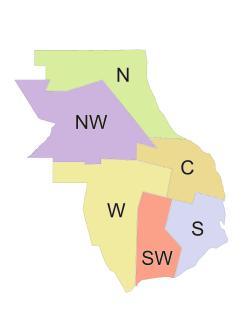
- Administrative Structure: Divided into six municipal districts: Centre, North, Northwest, West, Southwest, and South.
History and Urban Evolution
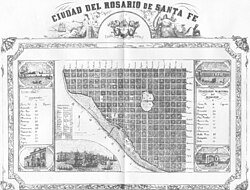
Rosario's growth has been explosive. In 1858, the city had fewer than 10,000 residents; by the early 20th century, that number had surged to over 192,000, reflecting its rapid industrialization and the importance of its port.
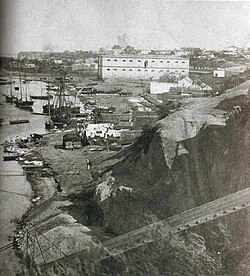
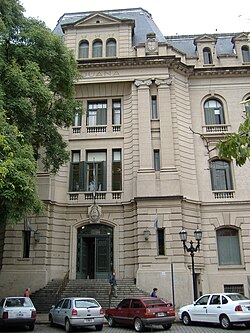
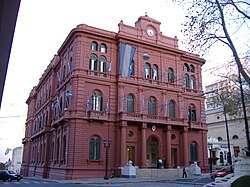
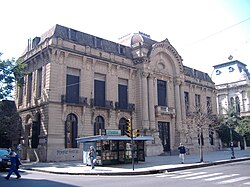
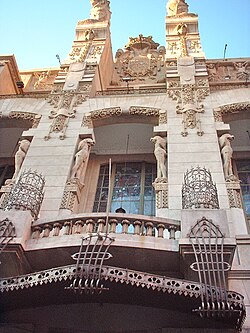
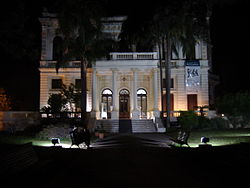
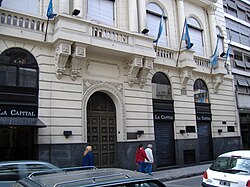
The city's architecture reflects this prosperity, from the historic Customs Office on Belgrano Avenue to the grand Palacio de los Leones, which serves as the City Hall.
Culture and Landmarks
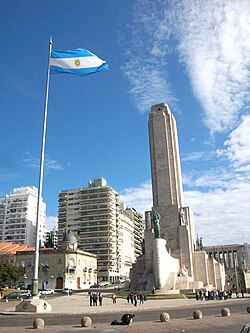
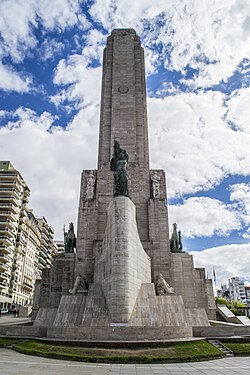
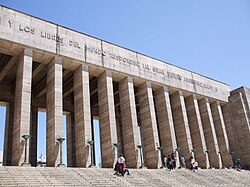
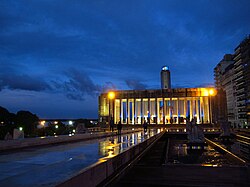
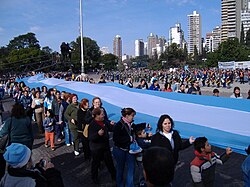
Rosario is a city of deep patriotic significance and artistic richness. The most prominent landmark is the National Flag Memorial, a massive complex commemorating the site where the Argentine flag was first hoisted.
Arts and Entertainment
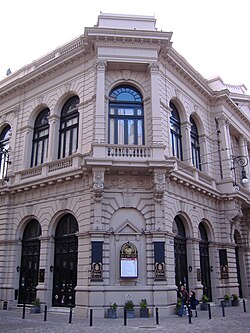
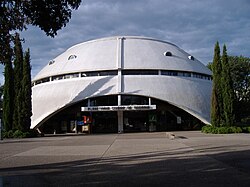
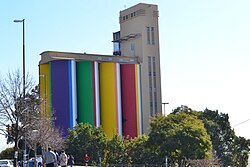
The city boasts a diverse array of cultural venues, including the prestigious El Círculo Theatre and the Museum of Contemporary Art of Rosario (MACRo). For science enthusiasts, the Planetarium of Rosario and the Municipal Observatory provide windows into the cosmos.
Education and Knowledge
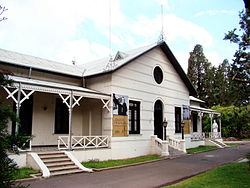
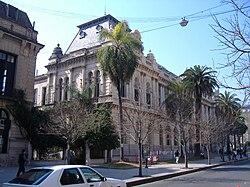
As a center for learning, Rosario is home to the National University of Rosario, including its Law School, and several specialized libraries and museums, such as the Municipal Museum of Rosario.
Economy and Infrastructure
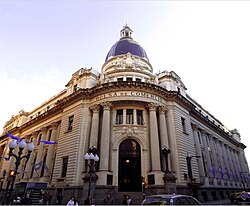
The economy of Rosario is heavily tied to its port and the agricultural exports of the surrounding region. The Bolsa de Comercio Rosario (Rosario Stock Exchange) is a central pillar of this economic activity.
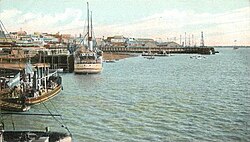
Transportation
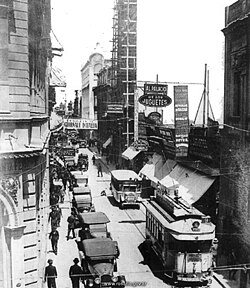
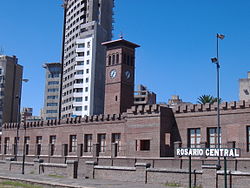
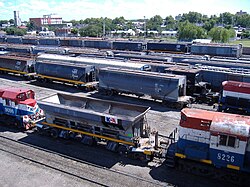
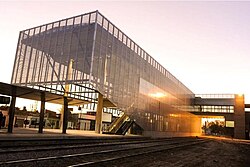
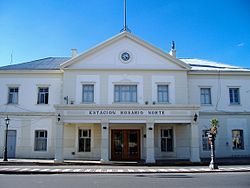
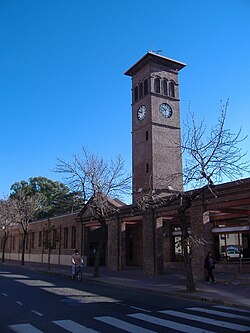
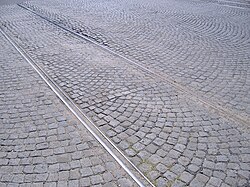
Transport in Rosario is a blend of modern and legacy systems. While the city had a tramway network until 1963, it now relies on a mix of trolleybuses, buses via the Mariano Moreno Bus Terminal, and an extensive railway network.
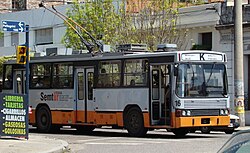
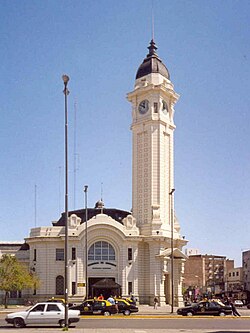
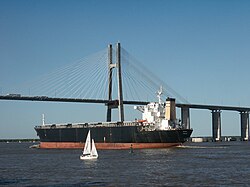
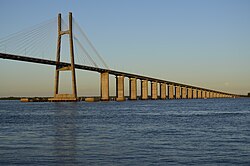
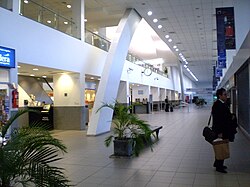
The city is connected to other regions via the Rosario-Victoria Bridge and the Rosario International Airport.
Geography and Climate
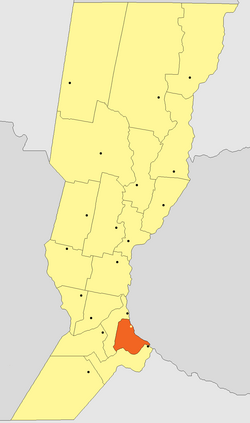
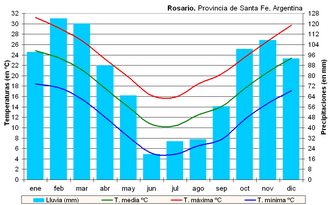
Rosario experiences a temperate climate with significant rainfall, averaging 1,053.5 mm annually. The city's layout is organized into distinct districts, each with its own administrative seat, such as Villa Hortensia in the North District.
Below is a summary of the city's demographic and geographic profile:
| Attribute | Detail |
|---|---|
| Total Area | 178.69 km² |
| Estimated Population (City) | 1,276,000 |
| GDP per capita (2023) | $23,700 |
| Elevation | 31 m |
| Time Zone | UTC−3 (ART) |
Notable People
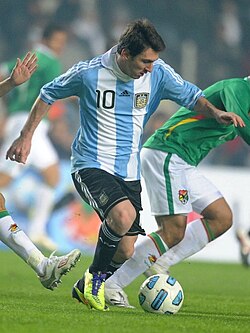
Rosario has produced world-renowned figures across various fields. In sports, it is the birthplace of Lionel Messi and football coach Marcelo Bielsa. In the arts, it is associated with painter Antonio Berni and singer-songwriter Fito Páez. The city also has a historical connection to the revolutionary Che Guevara.
Frequently Asked Questions
What is the significance of the National Flag Memorial?
The National Flag Memorial is a monumental complex built on the site where the Argentine flag was first raised, making Rosario the symbolic birthplace of the national colors.
Why is Rosario called the "Argentine Chicago"?
This nickname refers to the city's rapid growth, its industrial importance, and its role as a major commercial and transport hub, mirroring the development of Chicago in the United States.
What are the main transportation options in Rosario?
Rosario utilizes a variety of transport methods, including trolleybuses, a comprehensive bus system centered at the Mariano Moreno Terminal, and active railway services like Rosario Norte and Rosario Sur.
Which districts make up the city of Rosario?
The city is divided into six municipal districts: Centre, North, Northwest, West, Southwest, and South.
What is the climate like in Rosario?
Rosario has a temperate climate with an average annual precipitation of about 1,053.5 mm, featuring warm summers and cool winters.