San Lorenzo de Almagro: A Legacy of Argentine Football Excellence
Founded on April 1, 1908, Club Atlético San Lorenzo de Almagro (commonly known as CASLA) stands as one of the most storied institutions in Argentine sports. From its humble beginnings in the neighborhood of Almagro to its status as a global footballing brand, the club has weathered financial storms and stadium losses to remain a powerhouse in the Primera División.
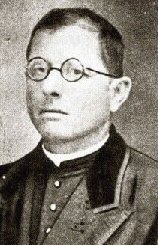
The club's identity is deeply intertwined with its community and faith, earning the nickname Los Cuervos (The Crows), a reference to the black attire worn by the priests who influenced the club's early years.
Key Facts
- Founded: April 1, 1908
- Home Ground: Estadio Pedro Bidegain (Capacity: 47,964)
- Primary Nickname: Los Cuervos (The Crows)
- Major Honors: Multiple Primera División titles and the 2002 Copa Sudamericana
- Historic Milestone: First Argentine club to participate in the Copa Libertadores (1960)
The Early Years and Rise to Prominence
San Lorenzo's journey began without a permanent home, initially playing at the Club Martínez field. The squad played its first official match on April 26, 1914. After a dominant performance against Excursionistas and a 3–0 victory over Club Honor y Patria in the playoffs, the club secured promotion to the Primera División (the top flight of Argentine football).
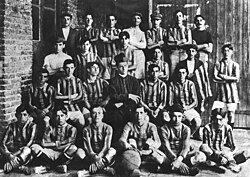
The club made its top-division debut on April 4, 1915. A pivotal moment in their early history occurred on May 7, 1916, with the inauguration of their first stadium, the legendary Viejo Gasómetro. While the late 1910s saw the club navigate a split in the Argentine league, joining the dissident Asociación Amateur (AAm), the 1920s marked the beginning of their golden era.
First Titles and International Success
In 1923, San Lorenzo captured its first league title, winning 17 out of 20 matches. This success extended beyond national borders that same year when they won the Copa Campeonato del Río de la Plata by defeating Montevideo Wanderers 1–0.
Eras of Dominance
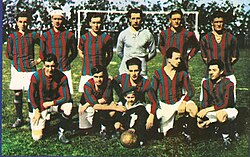
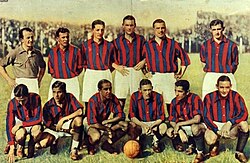
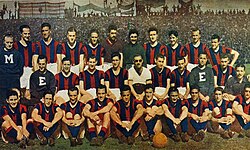
The 1930s saw the club embrace a diverse identity, featuring players of Basque descent—led by Isidro Lángara—and provincial players known as los gauchos. This era culminated in a fourth league championship in 1933.
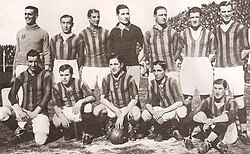
By 1946, San Lorenzo reached a peak of offensive brilliance, scoring a record 90 goals in 30 games to claim the championship. This period of excellence led to a high-profile European tour in 1946–47, where they faced giants like Real Madrid and the Spanish national team.
The "Carasucias" and the Matadores
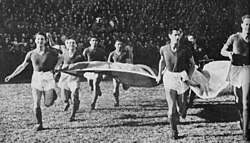
The 1960s introduced the carasucias (dirty faces), a generation of players beloved for their offensive style and rebellious personalities. In 1968, the team became known as los matadores after winning the championship without losing a single game, earning them recognition as one of the best teams in the world. Between 1968 and 1974, the club enjoyed its most successful harvest, winning four league titles, including becoming the first Argentine team to win two league titles in a single year in 1972.
Modern Era and the New Millennium
The 1990s were a period of volatility. Under the controversial presidency of Fernando Miele, the club struggled with debt and the loss of its stadium but managed to secure the Clausura 1995 and Clausura 2001 titles. The 2001 victory was particularly historic, featuring 11 consecutive wins and a record points haul.
Entering the 21st century, San Lorenzo achieved international glory by winning the inaugural Copa Sudamericana in 2002, defeating Atlético Nacional in the final.
Stadium and Facilities
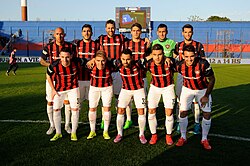
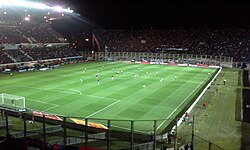
Today, the club plays at the Estadio Pedro Bidegain. The venue is noted for having one of the largest pitches in Argentina, measuring 110 x 70 meters, with a total capacity of 47,964 spectators.
| Category | Details |
|---|---|
| Full Name | Club Atlético San Lorenzo de Almagro |
| Founded | April 1, 1908 |
| Current Manager | Néstor Gorosito |
| Stadium | Estadio Pedro Bidegain |
| Capacity | 47,964 |
| All-Time Top Scorer | José Sanfilippo (217 goals) |
| Most Appearances | Sergio Villar (446 matches) |
Beyond Men's Football
San Lorenzo is a multi-sport institution. The women's football team has secured national championships in 2008/09 and 2015. Additionally, the club has a long history in basketball, having affiliated with the association in 1930 and participating in the opening game of the Liga Nacional de Básquetbol (LNB) in 1985.
Frequently Asked Questions
Why is San Lorenzo nicknamed "Los Cuervos"?
The nickname "Los Cuervos" (The Crows) originates from the black clothing worn by the priests who were associated with the club's founding and early years.
What is the significance of the "carasucias"?
The carasucias ("dirty faces") were a generation of players in the 1960s known for their exciting, offensive style of play and their rebellious off-pitch personas.
Which international titles has San Lorenzo won?
The club won the Copa Campeonato del Río de la Plata in 1923 and the first edition of the Copa Sudamericana in 2002.
Who is the all-time leading goalscorer for the club?
José Sanfilippo holds the record for the most goals scored for San Lorenzo, with a total of 217 goals.
What is the name of San Lorenzo's current stadium?
The club currently plays its home matches at the Estadio Pedro Bidegain.