Sambucus nigra: A Comprehensive Guide to the European Elderberry
The Sambucus nigra, commonly known as the European elder, black elderberry, or elderberry, is a versatile temperate shrub or small tree that holds a significant place in both natural landscapes and human tradition. Native to the Azores, Europe, and the Middle East, this vigorous plant is celebrated for its striking flowers and dark, nutrient-rich berries.
Whether growing as a wild hedgerow component or a carefully tended ornamental in a garden, the elderberry is a fascinating specimen of the Viburnaceae family. From its historical use in bellows to its modern presence in dietary supplements, the story of this plant is as deep as its dark purple fruit.
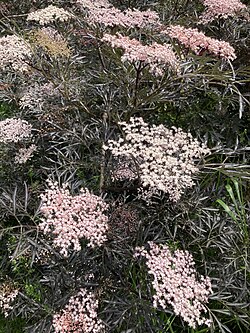
Key Facts
- Scientific Name: Sambucus nigra
- Common Names: Elder, black elder, European elderberry, European black elder.
- Native Regions: Europe, the Azores, and the Middle East.
- Growth Habit: Deciduous shrub or small tree, typically reaching 6 meters (20 ft) in height and width.
- Toxicity: Raw berries, seeds, leaves, and bark contain cyanogenic glycosides and are poisonous to mammals if not properly prepared.
- Culinary Uses: Flowers are used for cordials and syrups; berries are used for wines, jams, and soups.
Botanical Description and Taxonomy
Sambucus nigra is a deciduous plant characterized by its ability to reach heights of up to 6 meters, though it can occasionally reach 10 meters. The bark begins as a light gray when the plant is young, eventually maturing into a coarse, gray outer bark with prominent lenticels (small pores used for gas exchange) and lengthwise furrowing.
Leaves and Stems
The leaves are arranged in opposite pairs and can grow between 10 and 30 centimeters long. They are pinnate, meaning they consist of a central stem with leaflets arranged on either side, typically featuring five to seven leaflets with serrated margins. A notable characteristic of the young stems is that they are hollow.
Flowers and Fruit
In late spring to mid-summer, the plant produces large, flat corymbs (flower clusters) measuring 10–25 cm in diameter. These hermaphroditic flowers are ivory white and are primarily pollinated by flies. By late autumn, the plant produces glossy, dark purple to black berries in drooping clusters. The intense dark color of the fruit is due to a high concentration of anthocyanins, a type of phenolic compound.
Distribution, Habitat, and Ecology
While native to Europe—extending as far east as Turkey and throughout the British Isles—Sambucus nigra has been introduced to various parts of the world. It is highly adaptable, thriving in diverse environments such as woodlands, grasslands, hedgerows, river banks, and even urban waste ground.
The species prefers sunny locations and nutrient-rich, fertile soils. While it can tolerate both wet and dry conditions, it does not tolerate drought well and avoids saline (salty) soils. In the wild, it plays a vital role in the ecosystem, providing forage for animals like mule deer, elk, and sheep, and serving as an essential food source for fruit-eating birds such as blackcaps.
Cultivation and Gardening
Because of its vigorous growth and aesthetic appeal, Sambucus nigra is widely grown as an ornamental shrub. It is particularly popular in wildlife gardens and informal hedges. For those seeking specific visual effects, certain cultivars offer variegated or colored foliage.
Popular Cultivars
Several varieties have earned the Royal Horticultural Society's 'Award of Garden Merit', including:
- S. nigra f. laciniata: Known as the cut-leaved elder.
- S. nigra f. porphyrophylla 'Eva' ('Black Lace'): Features dark, dramatic foliage.
- S. nigra f. porphyrophylla 'Gerda': Another distinctive colored-leaf variety.
For commercial fruit production, plants are typically propagated from hardwood cuttings. While the plant is adaptable, it performs best in well-drained, organic-rich, slightly acidic soils with a pH between 6.0 and 6.5. In orchards, pruning is essential to maintain productivity, as older branches (older than three years) tend to see a decline in fruit yield.
Culinary and Traditional Uses
The elderberry has a long history of culinary application. The flowers are frequently used to create infusions, resulting in popular drinks like elderflower cordial, pressé, or syrups. In various European traditions, these flowers are also used to make liqueurs or even fried fritters.
The berries, once cooked to remove toxins, are versatile ingredients. They are used to produce:
- Jams, jellies, and chutneys.
- Elderberry wine and brandy.
- Traditional soups, such as the German Fliederbeersuppe.
In traditional medicine, extracts from the flowers and fruits have been used to address cold and flu symptoms. However, it is important to note that there is currently no high-quality clinical evidence to confirm that elderberry provides specific health effects or effectively treats diseases.
Summary of Sambucus nigra Characteristics
| Feature | Description |
|---|---|
| Family | Viburnaceae |
| Flower Color | Ivory white |
| Fruit Color | Dark purple to black |
| Preferred Soil | Well-drained, organic-rich, slightly acidic (pH 6.0–6.5) |
| Primary Pollinators | Flies and flower thrips |
Frequently Asked Questions
Is elderberry safe to eat raw?
No. All parts of the plant—including the seeds, leaves, bark, and stems—contain cyanogenic glycosides. Consuming them raw can cause nausea, vomiting, and severe diarrhea. The berries must be properly cooked before consumption.
What is the difference between Sambucus nigra and Sambucus canadensis?
Sambucus nigra is the European elderberry, native to Europe, the Azores, and the Middle East. Sambucus canadensis is a different species native to North America.
Can elderberry be used in a garden for wildlife?
Yes, it is considered a fair to good forage plant for various animals, including deer, sheep, and many species of birds that rely on the fruit.
Does elderberry have proven medical benefits?
While elderberry is used in traditional medicine for cold and flu symptoms, there is no clinical evidence to support claims that it provides specific health effects or treats diseases.
What should I avoid when consuming elderberry products?
Elderberry products should not be consumed during pregnancy, by individuals with allergies, or by those with gastrointestinal diseases. Additionally, they may interact with certain prescription drugs.