Azaleas: A Comprehensive Guide to These Vibrant Flowering Shrubs
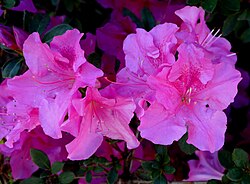
Azaleas are stunning flowering shrubs belonging to the genus Rhododendron. Within this genus, azaleas are specifically categorized into two subgenera: the evergreen Tsutsusi and the deciduous Pentanthera. As members of the Ericaceae family, these plants are celebrated globally for their spectacular spring blooms, which can last for several weeks.
Depending on your location, you can catch these blooms at different times of the year. In the temperate Northern Hemisphere, they typically flourish in April and May, while in the Southern Hemisphere, their peak season occurs during October and November. Because they are shade-tolerant, they are most at home living near or beneath the canopy of larger trees.
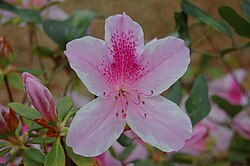
Key Facts
- Scientific Family: Ericaceae
- Preferred Soil: Well-drained, acidic soil (pH 4.5–6.0)
- Light Requirements: Shade-tolerant; prefers growing under trees
- Bloom Season: Spring (Northern Hemisphere) or Spring (Southern Hemisphere)
- Toxicity: Highly toxic to humans and pets due to andromedotoxins
Cultivation and Growth
For hundreds of years, plant enthusiasts have selectively bred azaleas to create thousands of unique cultivars. Most of these varieties are propagated through cuttings, though they can also be grown from collected and germinated seeds. Because they are generally slow-growing, patience is key for gardeners.
To ensure healthy growth, azaleas require well-drained, acidic soil with a pH level between 4.5 and 6.0. They are relatively low-maintenance regarding fertilizer, though certain species may require regular pruning to maintain their shape.
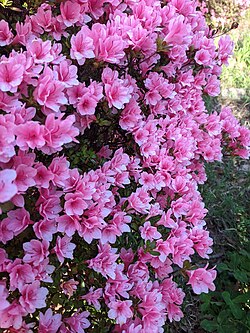
Native to Asia, Europe, and North America, azaleas have become popular ornamentals in many parts of the world. They are particularly abundant in the southeastern United States, southern Asia, and parts of southwest Europe.
Historical Significance in the United States
The history of the azalea in America is deeply tied to the South. According to historian Fred Galle, the Azalea indica (specifically the Southern indica group) was first introduced to outdoor landscapes in the 1830s at the Magnolia-on-the-Ashley rice plantation in Charleston, South Carolina. The plantation's owner, John Grimke Drayton, imported these plants from Philadelphia, where they had previously been grown only in greenhouses.
Following the American Civil War, the Magnolia Plantation and Gardens opened to the public in 1871 with encouragement from Charles Sprague Sargent of Harvard's Arnold Arboretum. Today, it remains one of America's oldest public gardens, drawing thousands of visitors every year in late March and early April to witness the blooms.
Classification and Health Management
While azaleas are diverse, they face specific biological challenges. Gardeners should be aware of several pests and diseases that can impact their health.
Common Diseases
- Azalea Leafy Gall: This can be particularly destructive to foliage during early spring. The recommended control method is hand-picking the infected leaves.
- Phytophthora Root Rot: This occurs most frequently in conditions that are both moist and hot.
- Phytophthora cinnamomi: An economically significant disease that azaleas share with over 3,000 other plant species.

Pests and Protection
The Azalea lace bug (*Stephanitis pyrioides*) is a common pest shared with many other heath species. Research by Shrewsbury & Raupp (2000) suggests that azaleas can be protected from these insects through companion planting, specifically by providing an overstory above the shrubs.
Toxicity and Safety Warnings
While beautiful, azaleas are highly toxic. They contain andromedotoxins in both their leaves and their nectar. This toxicity extends to honey produced from azalea nectar; in parts of Turkey, bees are fed on this nectar to produce "mad honey," which can be mind-altering, medicinal, or occasionally lethal.
Warning for Pet Owners: Azaleas are dangerous to pets. Consuming the plant tissue can cause central nervous system depression, potentially leading to multi-organ failure. Symptoms include vomiting, diarrhea, seizures, laryngeal edema, and heart rhythm disturbances, which can result in cardiac arrest and death.
Cultural Significance and Global Festivals
Azaleas hold deep symbolic meaning across various cultures. In China, the plant is known as "thinking of home bush" (*sixiang shu*) and is a frequent subject in the poetry of Du Fu. In Brazil, the azalea serves as one of the official symbols of the city of São Paulo.
Global Azalea Celebrations
Many regions host festivals to celebrate the blooming season:
- Japan: Celebrations include the Tsutsuji festival in Motoyama, Kōchi, and the Tsutsuji Matsuri at Nezu Shrine in Tokyo. Higashi Village hosts an annual festival featuring 50,000 plants.
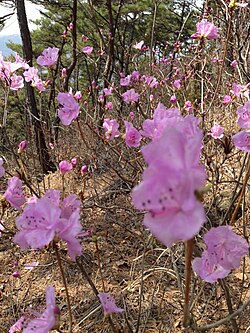
- Korea: The royal azalea (*Rhododendron schlippenbachii*) festival is held every May at Sobaeksan, where the pink blooms make the mountainside resemble a traditional Korean Jeogori jacket.
- Hong Kong: The Ma On Shan Azalea Festival has been held since 2004, celebrating six native species.
- United States: Numerous cities host festivals, including Mobile, Alabama (home to the Azalea Trail), Valdosta, Georgia (the "Azalea City"), and Houston, Texas (designated an "azalea city" by the Azalea Society of America).
Summary of Azalea Characteristics
| Feature | Details |
|---|---|
| Genus | Rhododendron |
| Subgenera | Tsutsusi (evergreen) and Pentanthera (deciduous) |
| Soil pH | 4.5–6.0 (Acidic) |
| Toxins | Andromedotoxins |
| Primary Pests | Azalea lace bug |
Frequently Asked Questions
What kind of soil do azaleas need?
Azaleas thrive in well-drained, acidic soil, specifically with a pH level between 4.5 and 6.0.
Are azaleas poisonous to dogs and cats?
Yes, azaleas are highly toxic to pets. Ingestion can cause central nervous system depression, vomiting, seizures, and even death due to heart rhythm disturbances.
When is the best time to plant azaleas?
Azaleas typically bloom in the spring (April/May in the Northern Hemisphere), so they are most visually prominent during this season.
How can I protect my azaleas from lace bugs?
According to research, companion planting with an overstory above the azaleas can help protect them from the Azalea lace bug.
What is "mad honey"?
Mad honey is a honey produced from the nectar of azaleas or rhododendrons. In some parts of Turkey, it is known for its mind-altering and potentially lethal properties.