Saint Vincent and the Grenadines: A Comprehensive Overview of This Caribbean Nation
Nestled in the heart of the Caribbean, Saint Vincent and the Grenadines is a vibrant nation composed of the main island of Saint Vincent and a chain of smaller islands known as the Grenadines. This unitary parliamentary constitutional monarchy offers a rich tapestry of history, diverse cultural heritage, and a unique geographic landscape that spans from the northern reaches of Saint Vincent to the southern Grenadine islands.
With its capital located in the bustling city of Kingstown, the nation serves as a significant hub for the region. Whether examining its complex colonial history or its modern socio-economic structure, Saint Vincent and the Grenadines stands as a distinct and beautiful entity within the West Indies.
Key Facts
- Capital: Kingstown
- Official Language: English (with Vincentian Creole as a vernacular)
- Motto: "Pax et Justitia" (Peace and Justice)
- Independence: 27 October 1979 (from the United Kingdom)
- Currency: East Caribbean dollar (XCD)
- Total Area: 389 km²
Geography and Administrative Divisions
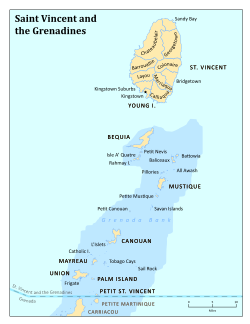
The geography of the nation is defined by its two primary components. The main island of Saint Vincent measures approximately 26 km in length and 15 km in width, covering an area of 344 km². The Grenadine islands, which extend 60.4 km from the northernmost to the southernmost points, add an additional 45 km² to the nation's total landmass.
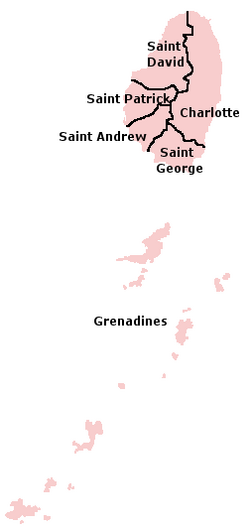
Administratively, the country is divided into several parishes, which serve as the primary local divisions. These include Charlotte, Grenadines, Saint Andrew, Saint David, Saint George, Saint Patrick, and Saint Vincent. Each parish has its own capital, such as Georgetown in Charlotte Parish or Port Elizabeth in the Grenadines Parish.
The Grenadines
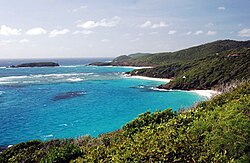
The Grenadines are a collection of islands that provide a stunning contrast to the main island. Among these, islands like Mustique are notable destinations within the archipelago.
History and Governance
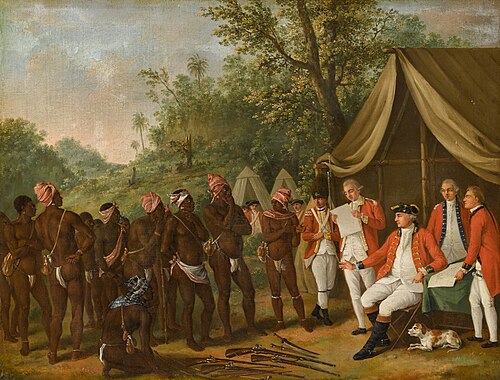
The history of Saint Vincent and the Grenadines is marked by significant transitions, from the pre-colonial periods involving the Kalinago and Garifuna peoples to the era of European arrival. The colonial period saw intense competition between the French and the British, leading to conflicts such as the First and Second Carib Wars.
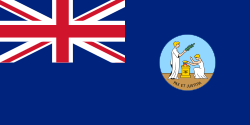
The nation transitioned from an Associated State in 1969 to full independence from the United Kingdom on 27 October 1979. Today, the government operates as a parliamentary constitutional monarchy under the reign of King Charles III. The political leadership includes a Governor-General and a Prime Minister, with the House of Assembly serving as the legislative body.
Demographics and Culture
The population of Saint Vincent and the Grenadines is characterized by its diversity. As of 2020, the ethnic composition included 66% Afro-Caribbean, 19% Mixed, 6% Indian, 4% European, and 2% Kalinago. This diversity is reflected in the linguistic landscape, where English is the official language, but Vincentian Creole is widely spoken as a vernacular.
Religion and Traditions
Religion plays a central role in the lives of many citizens. According to the 2023 census, 78.1% of the population identifies as Christian, with various denominations including Pentecostal, Seventh-day Adventist, Anglican, and Baptist. While the majority are religious, there has been a noted increase in those identifying with no religious affiliation, rising to 14.0% in 2023.
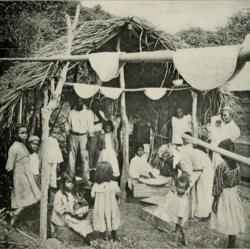
Cultural traditions are celebrated through various holidays throughout the year, such as Emancipation Day on 1 August, Independence Day on 27 October, and the vibrant Carnival Monday in July. These celebrations highlight the nation's resilience and its deep-rooted heritage.
Economy and Infrastructure
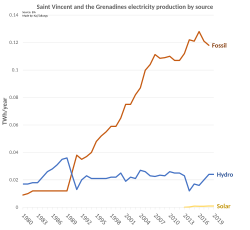
The economy of Saint Vincent and the Grenadines is supported by various sectors, including tourism and local production. The nation's GDP (PPP) was estimated at $2 billion in 2023. Infrastructure development, such as the electricity production systems and transportation networks, continues to support the growing needs of the population.
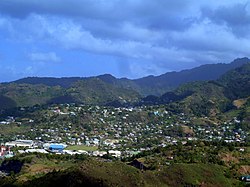
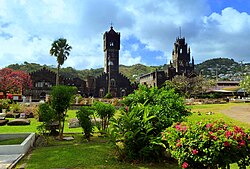
Urban centers like Kingstown provide essential services and commercial activity. Landmarks such as the Assumption Cathedral in Kingstown and various local parks like Campden Park are integral to the social fabric of the islands.
| Category | Details |
|---|---|
| Population (2022 Est.) | 110,872 |
| GDP per capita (Nominal) | $9,360 |
| HDI (2023) | 0.798 (High) |
| Time Zone | UTC -4 (AST) |
Frequently Asked Questions
What is the official language of Saint Vincent and the Grenadines?
The official language is English, though Vincentian Creole is commonly used as a vernacular language.
When did the country gain independence?
Saint Vincent and the Grenadines gained full independence from the United Kingdom on 27 October 1979, having previously been an Associated State since 1969.
What are the main ethnic groups in the country?
The largest ethnic group is Afro-Caribbean (66%), followed by Mixed (19%), Indian (6%), and European (4%).
What is the currency used in Saint Vincent and the Grenadines?
The official currency is the East Caribbean dollar (XCD).
What is the capital city?
The capital and largest city of the nation is Kingstown.