Royal Navy: The History and Capabilities of the UK's Senior Service
Known affectionately as the Senior Service, the Royal Navy is the naval warfare branch of the United Kingdom's armed forces. Founded in 1546, it has evolved from a fleet of wooden sailing ships into a sophisticated, high-tech force capable of projecting power and maintaining security across the globe. Guided by the motto "Si vis pacem, para bellum" (If you wish for peace, prepare for war), the Royal Navy serves as a cornerstone of British national security and international diplomacy.
From the Age of Sail to the era of nuclear propulsion, the Royal Navy has played a pivotal role in shaping global history, protecting international trade, and forging strategic partnerships with allies such as NATO.

Key Facts

- Founded: 1546
- Personnel: Approximately 32,520 active personnel, 3,230 maritime reserves, and 2,550 other staff.
- Fleet Size: 60 commissioned active ships (69 including the Royal Fleet Auxiliary).
- Air Power: 160 aircraft operated via the Fleet Air Arm.
- Primary Roles: Conflict prevention, maritime security, humanitarian aid, and maintaining the UK's nuclear deterrent.
- Head of Armed Forces: King Charles III (Lord High Admiral).
Strategic Roles and Responsibilities
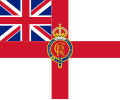
In 2017, the Royal Navy defined its primary mission through six major umbrella roles designed to protect British interests and global stability:
- Preventing Conflict: Operating on both regional and global levels to deter aggression.
- Providing Security at Sea: Ensuring the stability of international trade and open sea lanes.
- International Partnerships: Strengthening ties with global allies, particularly within NATO.
- Readiness to Fight: Maintaining a high state of combat readiness to protect UK interests.
- Humanitarian Aid: Delivering rapid and effective responses to global catastrophes.
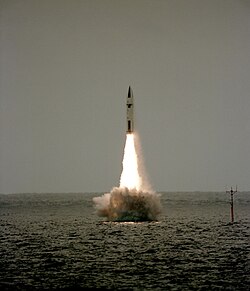
- Nuclear Deterrence: Maintaining the UK's strategic deterrent through a policy of Continuous at Sea Deterrence.

A Legacy of Naval Warfare and Exploration
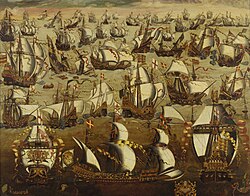
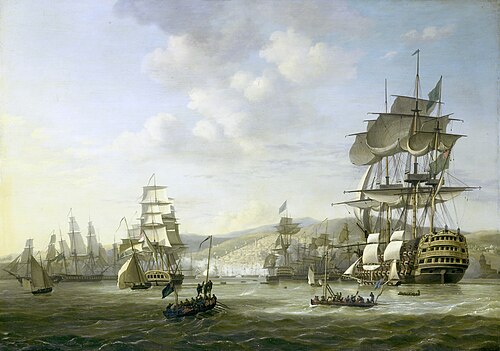
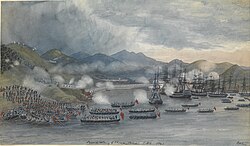
The history of the Royal Navy is a chronicle of global engagement. During the Age of Sail, the navy established British maritime supremacy through legendary engagements in the Anglo-Spanish and Anglo-Dutch wars. The fleet was instrumental during the Napoleonic Wars and the War of 1812, cementing its reputation as the world's preeminent naval force.
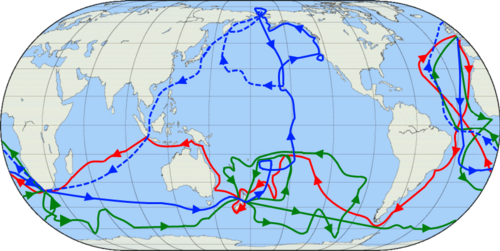
Beyond combat, the Royal Navy was the engine of exploration. Captain James Cook's three historic voyages expanded the known map of the world, blending scientific inquiry with naval discipline.
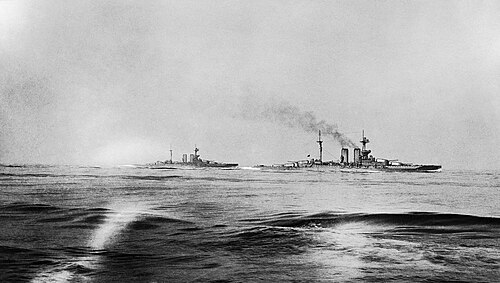
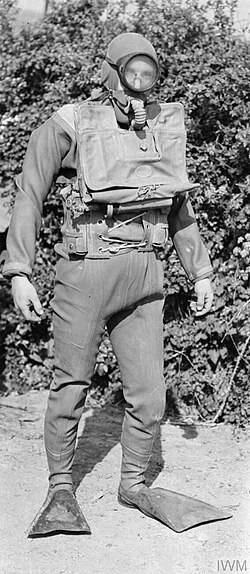
The 20th century saw the navy transition through two World Wars. From the clash of dreadnoughts at the Battle of Jutland in 1916 to the critical convoy protections and amphibious assaults of World War II, the Royal Navy remained vital to the Allied victory. During the Cold War, the focus shifted toward submarine warfare and the management of nuclear assets to counter global threats.
Modern Assets and Fleet Composition
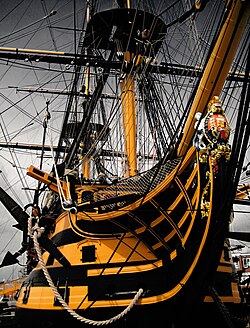
Today's Royal Navy employs a diverse array of vessels and aircraft to meet modern threats. The fleet is categorized into several specialized groups:
Surface Fleet and Aviation
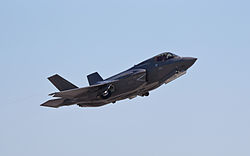
The centerpiece of the modern fleet is the Queen Elizabeth-class aircraft carrier, which allows the UK to project air power globally using F-35B Lightning II stealth fighters.
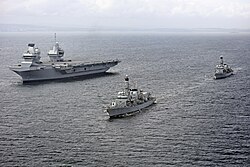
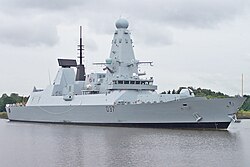
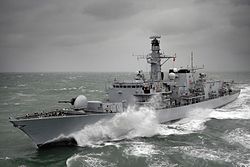
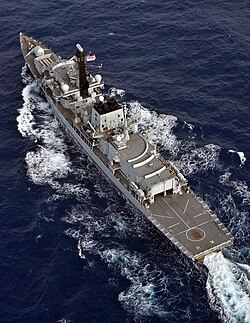
The escort fleet consists of Type 45 guided missile destroyers for air defense and Type 23 frigates (the "Duke class") specialized in anti-submarine warfare. For coastal and regional security, the navy utilizes offshore patrol vessels and mine countermeasures vessels.
The Submarine Service
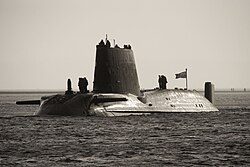
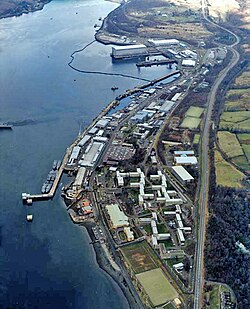
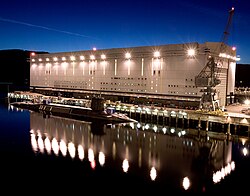
The Royal Navy operates two primary types of submarines: ballistic missile submarines (SSBNs) for the nuclear deterrent, based primarily at HMNB Clyde (Faslane), and nuclear-powered attack submarines (SSNs), such as the Astute-class, designed for intelligence and strike missions.
The Fleet Air Arm and Royal Marines
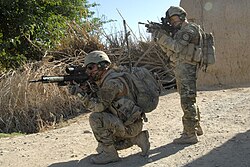
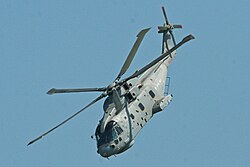
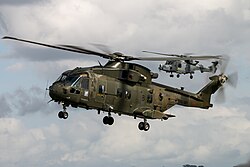
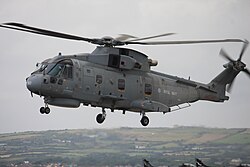
The Fleet Air Arm provides essential aerial support, utilizing the Merlin HM2 for anti-submarine warfare and the Wildcat HMA2 for patrol and reconnaissance. Complementing the fleet are the Royal Marines, the UK's elite amphibious light infantry capable of operating in diverse environments from the deserts of Afghanistan to the jungles of the tropics.
Fleet Summary Table
| Asset Category | Quantity/Type | Primary Function |
|---|---|---|
| Aircraft Carriers | 2 | Power projection and air superiority |
| Submarines | 10 | Nuclear deterrence and stealth attack |
| Destroyers | 6 | Anti-air warfare (Type 45) |
| Frigates | 5 | Anti-submarine warfare (Type 23) |
| Offshore Patrol Vessels | 8 | Maritime security and sovereignty |
| Aircraft | 160 | Fighter, Patrol, and Transport (F-35, Merlin) |
Command and Organization
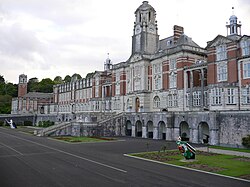
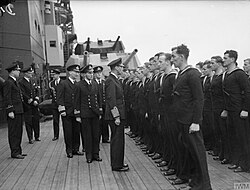
The Royal Navy is led by the First Sea Lord and Chief of the Naval Staff, currently General Sir Gwyn Jenkins. The organizational structure is divided into clear hierarchies of officers (from Admiral of the Fleet down to Midshipman) and ratings (from Warrant Officer to Able Rating), ensuring a disciplined chain of command across all deployed assets.
Frequently Asked Questions
What is the Royal Navy's nickname?
The Royal Navy is commonly referred to as the "Senior Service," reflecting its long history and status as the oldest of the UK's armed services.
What is the purpose of the Continuous at Sea Deterrent?
This policy ensures that at least one nuclear-armed ballistic missile submarine is always on patrol, providing a constant and credible deterrent to protect the United Kingdom.
What aircraft does the Royal Navy operate?
The navy operates a variety of aircraft, including the F-35 Lightning II for fighter and attack roles, and the Merlin and Wildcat helicopters for patrol, transport, and anti-submarine warfare.
Who are the Royal Marines?
The Royal Marines are the amphibious light infantry component of the Naval Service, specialized in landing forces from sea to land in various combat and humanitarian scenarios.
Where is the home of the Vanguard-class submarines?
The Vanguard-class submarines are based at HMNB Clyde, located in Faslane, Scotland.