Royal 22nd Regiment: The Legacy of Canada's Van Doos
The Royal 22nd Regiment, affectionately known as the "Van Doos," stands as a cornerstone of the Canadian Army. As the primary French-speaking regular force infantry regiment in Canada, it embodies a rich tradition of bravery, linguistic pride, and operational excellence. From its origins in the early 20th century to its modern role as a versatile mechanized and light infantry force, the regiment has served with distinction across the globe.
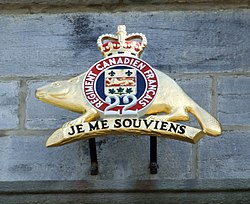
Headquartered in the historic city of Quebec, the regiment is more than just a military unit; it is a symbol of French-Canadian contribution to national security and international peace. With a motto, Je me souviens ("I remember"), the regiment maintains a deep connection to its ancestral roots while evolving to meet the demands of contemporary warfare.
Key Facts
- Founded: June 4, 1869 (lineage) / November 7, 1914 (as 22nd Battalion, CEF).
- Nickname: "Van Doos."
- Motto: Je me souviens (I remember).
- Headquarters: Quebec City.
- Composition: Five battalions comprising mechanized, light role, and paratroop infantry.
- Mascot: A goat named Batisse XII.
- Major Conflicts: WWI, WWII, Korean War, and the War in Afghanistan.
Foundations and Early History
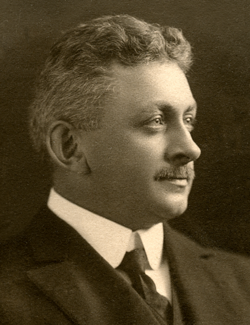
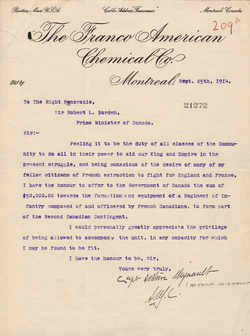
The lineage of the Royal 22nd Regiment is a tapestry of various militia units. While the 22nd (French Canadian) Battalion of the Canadian Expeditionary Force (CEF) was authorized on November 7, 1914, the regiment's roots extend back to 1869 with units like the Voltigeurs-Canadiens of Beauharnois. The drive to create a dedicated French-speaking unit was championed by Arthur Mignault, who communicated with Prime Minister Robert Borden to ensure French Canadians had a distinct identity within the military.
The Great War
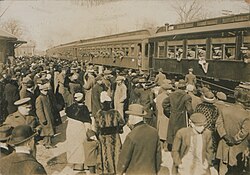
During the First World War, the 22nd Battalion embarked for Great Britain in May 1915 and arrived in France by September. Serving as part of the 5th Infantry Brigade, 2nd Canadian Division, they fought through the brutal landscapes of France and Flanders until the war's end. Their courage was recognized through numerous battle honours, including Vimy, Passchendaele, and the Hindenburg Line.

Interwar Period and Royal Designation
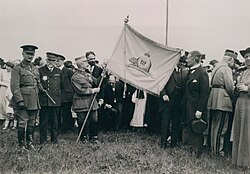
Following the war, the unit was reorganized. On June 1, 1921, it was officially designated as The Royal 22nd Regiment. A significant moment of prestige occurred in 1921 when Marshal Émile Fayolle presented the regimental colours on the Plains of Abraham, a gesture requested by Maréchal Foch, the honorary colonel of the regiment.
Operational History and Global Service
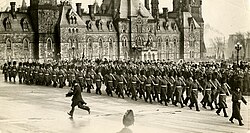
The Royal 22nd Regiment has been deployed in nearly every major conflict involving Canada over the last century, adapting its role from traditional line infantry to specialized mechanized and airborne operations.
The Second World War
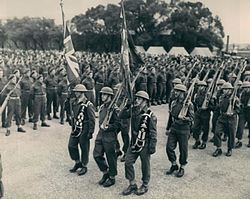
During WWII, the regiment saw extensive action, particularly in the Italian campaign. They fought through Sicily and the mainland, facing grueling battles at the Gustav Line and the Hitler Line. In 1945, a second Active Force component was mobilized for the Pacific theatre. Additionally, affiliated units like Le Régiment de Châteauguay and Le Régiment de St. Hyacinthe provided vital home defence and reinforcement roles.
The Korean War and Beyond
In the early 1950s, three battalions of the regiment served in the Republic of Korea as part of the 25th Canadian Infantry Brigade. Their rotations between 1951 and 1953 ensured a continuous French-Canadian presence during the conflict. In later decades, the regiment's versatility was further proven through deployments in the Gulf War and the War in Afghanistan, where they earned multiple Commander-in-Chief Unit Commendations.
Regimental Structure and Modern Role
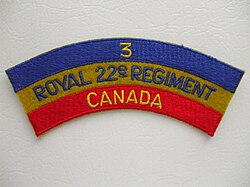
Today, the Royal 22nd Regiment consists of five battalions with diverse specializations. The 1st and 2nd Battalions operate as mechanized infantry (infantry transported by armored vehicles), while the 3rd Battalion provides light role infantry capabilities, including specialized parachute, jungle, and mountain companies.
| Battalion | Home Base | Role/Specialization |
|---|---|---|
| 1st Battalion | CFB Valcartier | Mechanized Infantry |
| 2nd Battalion | Quebec City | Mechanized Infantry (inc. Precision Drill Team) |
| 3rd Battalion | CFB Valcartier | Light Infantry (Parachute, Jungle, Mountain) |
| 4th Battalion (Châteauguay) | Laval, Quebec | Reserve, Dismounted Infantry |
| 6th Battalion | Saint-Hyacinthe, Quebec | Reserve, Dismounted Infantry |
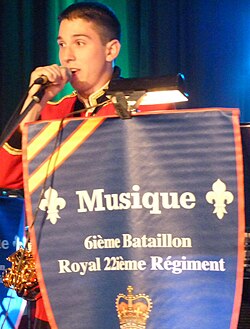
The regiment also maintains a professional musical presence through La Musique du Royal 22 Régiment, based at CFB Valcartier, and the 6th Battalion Band.
Traditions and Honors
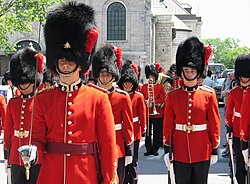
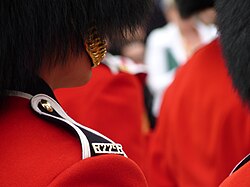
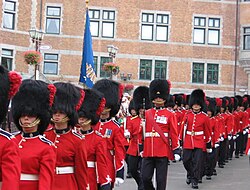
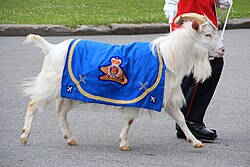
The "Van Doos" are defined by their distinct symbols and honors. Their full dress is scarlet with blue facings, and they are distinguished by a red plume worn on the left side of the bearskin cap. The regiment's mascot, Batisse XII, is a beloved symbol of their spirit.
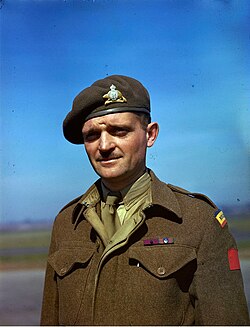
The regiment's bravery is immortalized by three Victoria Cross recipients—the highest award for gallantry in the face of the enemy: Corporal Joseph Kaeble and Lieutenant Jean Brillant (both posthumously) during WWI, and Major Paul Triquet during WWII.
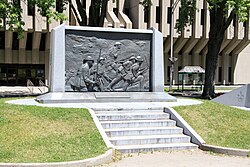
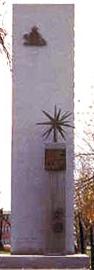
Memorials, such as the Je me souviens sculpture by André Gauthier, serve as permanent reminders of the sacrifices made by the regiment's soldiers from 1914 to the present.
Frequently Asked Questions
Why is the regiment called the "Van Doos"?
The nickname "Van Doos" is a colloquial derivation of the regiment's name and its French-Canadian identity, becoming a term of endearment and pride for its members.
Where is the Royal 22nd Regiment based?
The regimental headquarters is located in Quebec City, with battalions stationed at CFB Valcartier, Laval, and Saint-Hyacinthe.
What is the significance of the motto "Je me souviens"?
Meaning "I remember," the motto reflects the regiment's commitment to honoring its history, its fallen soldiers, and the cultural heritage of Quebec.
What specialized capabilities does the 3rd Battalion possess?
The 3rd Battalion is a light infantry unit that includes specialized companies for parachute operations, jungle warfare, and mountain environments, as well as an Assault Pioneer platoon.
Who are the Victoria Cross recipients of the regiment?
The recipients are Corporal Joseph Kaeble, Lieutenant Jean Brillant, and Major Paul Triquet.