Root Rot: Causes, Prevention, and Management in Plants
For many gardeners and indoor plant enthusiasts, one of the most devastating challenges is root rot. This condition occurs when the roots of a plant begin to decay due to anoxic conditions—a state where oxygen is absent from the soil or potting media. When excessive standing water surrounds the root system, it displaces the air necessary for respiration, leading to the eventual breakdown of the plant's foundation.
While root rot can affect both outdoor gardens and indoor collections, it is significantly more common in indoor environments. This is often driven by overwatering, the use of heavy potting media, or containers that lack adequate drainage. If left unchecked, the symptoms can quickly escalate from minor discoloration to a fatal condition for the plant.
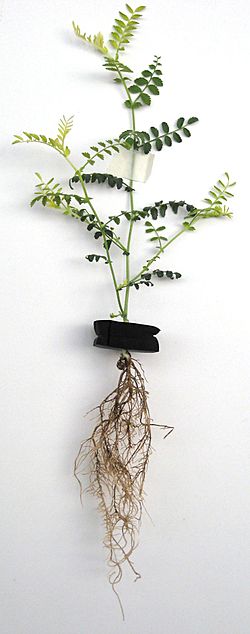
Key Facts
- Root rot is caused by anoxic conditions (lack of oxygen) in the soil.
- Excessive standing water is the primary driver of root decay.
- Indoor plants are at higher risk due to overwatering and poor drainage.
- There is no effective treatment once the rot has set in, though propagation may save a species.
- Pathogens like Phytophthora can be spread via air, insects, and soil.
Identifying the Symptoms and Causes
The most visible sign of root rot is the change in foliage. Leaves often turn yellow and eventually die as the plant loses its ability to transport nutrients and water. Because the root system is failing, the entire plant's health declines rapidly.
The susceptibility of a plant to rot depends heavily on its evolutionary background. For example, plants adapted to desert environments have a much lower tolerance for moisture and will succumb to root rot far more quickly than tropical plants, which are accustomed to higher humidity and moisture levels.
Common Pathogens and Diseases
While moisture is the primary trigger, many cases of root rot are driven by specific biological pathogens. Members of the water mold genus Phytophthora are frequent culprits, with P. cinnamomi being one of the most aggressive species. These pathogens spread through airborne spores, insects, and other soil-dwelling arthropods.
Various other organisms can cause specific types of root rot, including:
- Armillaria (causing Armillaria root rot or white rot)
- Phellinius noxius
- Rosellinia necatrix (also known as Dematophora necatrix)
- Scytinostroma galactinum (also known as Corticium galactinum)
- Ganoderma spp.
- Basidiomycete fungi (which can afflict Acacia plants)
Root Rot in Hydroponic Systems
In hydroponics, where plants grow in water-based nutrient solutions rather than soil, root rot is a constant concern. It typically occurs when the water is not properly aerated. Aeration is the process of introducing oxygen into the liquid to ensure the roots can breathe.
To prevent this, growers use tools such as:
- Air pumps (similar to those used in aquariums)
- Air stones
- Air diffusers
The need to solve aeration issues in hydroponics was a primary driver for the development of aeroponics, a method where roots are suspended in the air and misted with nutrients.
Prevention and Control Strategies
Because there is no effective cure for a plant already suffering from advanced root rot, prevention is the most critical aspect of plant care. To maintain a healthy root zone, follow these best practices:
- Monitor Moisture: Only water your plants when the soil has become dry to the touch.
- Ensure Drainage: Always use well-drained pots with holes to allow excess water to escape.
- Select Proper Media: Avoid using dense, heavy soil dug directly from outdoors, as it can trap moisture.
- Chemical Control: In some instances, root rot can be controlled by drenching with carbendazim.
Summary of Root Rot Factors
| Factor | Description | Prevention Method |
|---|---|---|
| Soil Condition | Anoxic (oxygen-deprived) environments | Use well-draining media and avoid heavy soil |
| Watering | Excessive standing water | Water only when soil is dry; use drainage holes |
| Pathogens | Fungi and water molds (e.g., Phytophthora) | Control via carbendazim or improved hygiene |
| Hydroponics | Poor water aeration | Use air pumps, stones, or diffusers |
Frequently Asked Questions
Can I save a plant that has root rot?
Since there is no effective treatment for the rot itself, the plant may be lost. However, some plants can be propagated (reproduced) to ensure the species or specific variety is not completely lost.
Why do my indoor plants die more often from root rot?
Indoor plants are more susceptible due to common household mistakes such as overwatering, using containers without drainage, or using potting media that is too dense to allow air circulation.
How do pathogens like Phytophthora spread?
Spores can be carried through the air, by insects, or by various arthropods living in the soil. However, the rot will only take hold if there is adequate moisture present.
What is the difference between root rot and damping off?
Damping off is a specific type of root rot that occurs specifically in seedlings.
How can I prevent root rot in a hydroponic setup?
Ensure the water is properly aerated by using air pumps, air stones, or air diffusers, and carefully manage the frequency and length of your watering cycles.