Ronald Reagan: From Hollywood to the White House
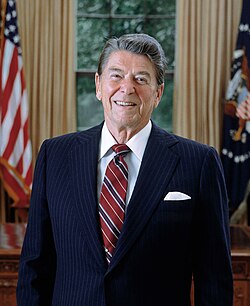
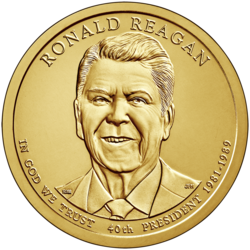
Ronald Reagan remains one of the most influential figures in 20th-century American politics. His journey was unconventional, spanning a diverse career as a sports broadcaster, a Hollywood actor, a union leader, and the Governor of California before ascending to the presidency. Known for his communication skills and steadfast conservative convictions, Reagan reshaped the American political landscape during his two terms in office.
Born on February 6, 1911, in Tampico, Illinois, Reagan's early life laid the foundation for his later public persona. He pursued his higher education at Eureka College, where he earned a Bachelor of Arts degree.
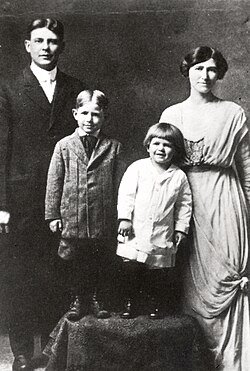
Early Career and the Entertainment Industry
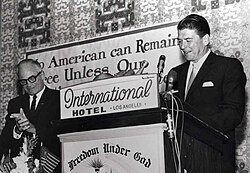
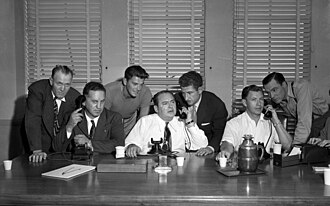
Before entering politics, Reagan found success in the entertainment world. He worked as a radio announcer and sports broadcaster, eventually transitioning into film. His time in Hollywood was not limited to acting; he became deeply involved in labor relations, serving as the President of the Screen Actors Guild (SAG) from 1947 to 1952 and again briefly from 1959 to 1960.
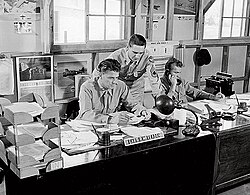
During World War II, Reagan served in the United States Army, specifically within the Army Air Forces. He reached the rank of Captain and served from 1937 to 1945, with active duty from 1942 to 1945.
The Transition to Politics
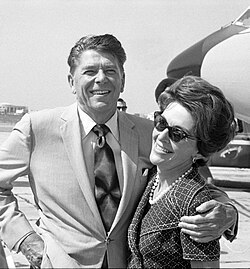
Reagan's political evolution saw him shift from the Democratic Party to the Republican Party in 1962. His first major political victory came in 1966 when he was elected as the 33rd Governor of California, a position he held from 1967 to 1975.
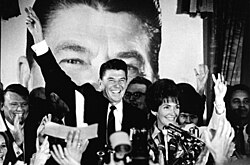
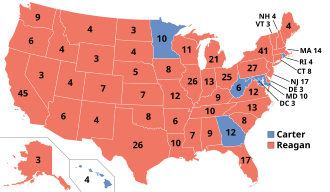
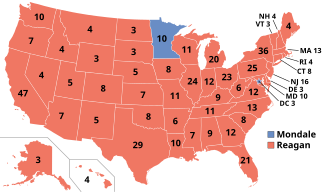
Following his governorship, Reagan set his sights on the presidency. After a narrow loss for the Republican nomination in 1976, he successfully campaigned for the office in 1980, defeating Jimmy Carter to become the 40th President of the United States.
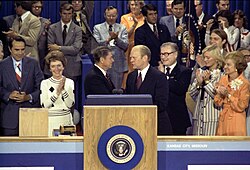
The Presidency (1981–1989)
Reaganomics and Domestic Policy
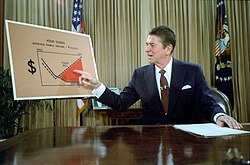
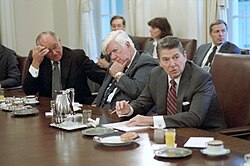
Reagan's domestic agenda was defined by Reaganomics, a set of economic policies centered on supply-side economics. This approach emphasized tax cuts, deregulation of industries, and a reduction in government spending to combat inflation and unemployment.
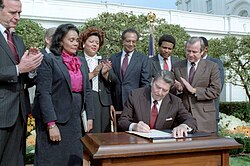
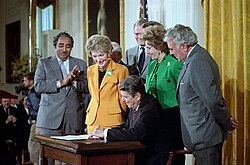
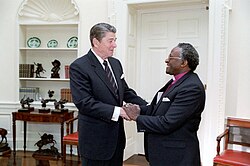
His administration also focused on a "War on Drugs" and saw the signing of the Anti-Drug Abuse Act of 1986. In terms of civil rights, Reagan signed the legislation establishing Martin Luther King Jr. Day in 1983, though his record on other civil rights issues remained a point of debate.
Foreign Policy and the Cold War
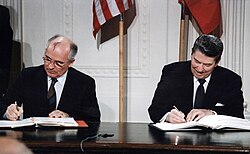
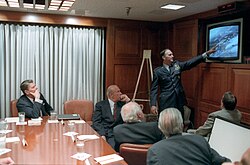
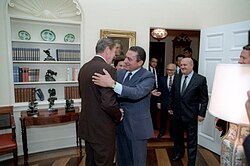
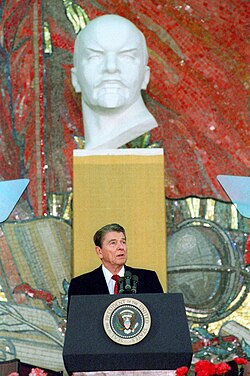
On the global stage, Reagan escalated the Cold War initially, describing the Soviet Union as an "Evil Empire." However, his later years were marked by a thaw in relations with Soviet leader Mikhail Gorbachev, culminating in the signing of the INF Treaty (Intermediate-Range Nuclear Forces Treaty) in 1987, which aimed to reduce nuclear arsenals.
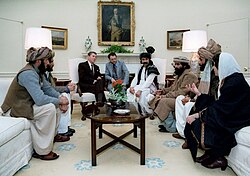
Other significant foreign policy actions included the invasion of Grenada in 1983, the bombing of Libya in 1986, and providing support to the Afghan mujahideen against Soviet forces.
Challenges and Controversies
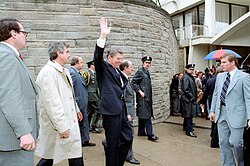
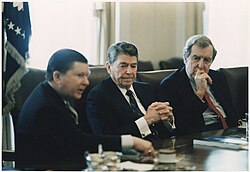
Reagan's presidency was not without turmoil. He survived an assassination attempt on March 30, 1981. Later, his administration was rocked by the Iran-Contra affair, a political scandal involving the secret sale of arms to Iran to fund Contra rebels in Nicaragua.
Additionally, Reagan faced criticism for his delayed response to the AIDS epidemic during the 1980s.
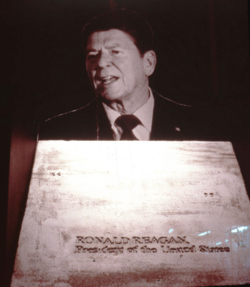
Key Facts
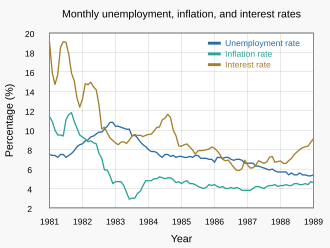
- Presidential Terms: Served as the 40th US President from 1981 to 1989.
- Political Shift: Changed affiliation from Democrat to Republican in 1962.
- Economic Theory: Implemented "Reaganomics," focusing on tax cuts and deregulation.
- Cold War Impact: Signed the INF Treaty with Mikhail Gorbachev to reduce nuclear weapons.
- Prior Roles: Former Governor of California and President of the Screen Actors Guild.
Summary of Ronald Reagan's Public Service
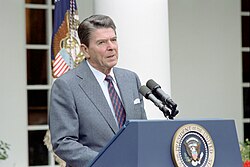
| Role | Period | Key Focus/Achievement |
|---|---|---|
| President of Screen Actors Guild | 1947–1952; 1959–1960 | Labor leadership in Hollywood |
| Governor of California | 1967–1975 | State executive leadership |
| 40th US President | 1981–1989 | Reaganomics and Cold War diplomacy |
Post-Presidency and Legacy
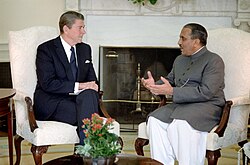
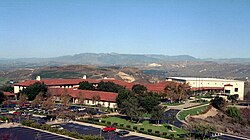
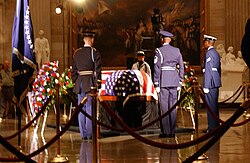
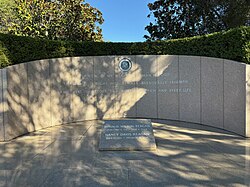
After leaving office in 1989, Reagan struggled with Alzheimer's disease, which led to his gradual withdrawal from public life. He passed away on June 5, 2004, at the age of 93. He is buried at the Ronald Reagan Presidential Library in Simi Valley, California.
Frequently Asked Questions
What was Reaganomics?
Reaganomics refers to the economic policies of the Reagan administration, which emphasized reducing taxes, decreasing government regulation, and lowering government spending to stimulate economic growth.
How did Reagan contribute to the end of the Cold War?
While he initially took a hard line against the Soviet Union, Reagan eventually engaged in diplomatic negotiations with Mikhail Gorbachev, leading to the INF Treaty and a reduction in nuclear tensions.
What was the Iran-Contra affair?
The Iran-Contra affair was a scandal where members of Reagan's administration secretly facilitated the sale of arms to Iran and used the proceeds to illegally fund the Contra rebels in Nicaragua.
What was Reagan's role in the entertainment industry?
Reagan was a professional actor and sports broadcaster who also served as the President of the Screen Actors Guild, demonstrating his early leadership and communication skills.
Which state did Reagan govern before becoming President?
Ronald Reagan served as the 33rd Governor of California from 1967 to 1975.