Roman Generals: The Military Leaders of Classical Antiquity
The expansion and maintenance of the Roman state were driven by the strategic brilliance and leadership of its general officers. As the commanders of the Roman army—the principal ground force of Ancient Rome—these men led legions through the vast military conflicts that defined the period of classical antiquity. From the early defense of the Italian peninsula to the administration of a sprawling empire, Roman generals were central to the political and territorial evolution of the Mediterranean world.
Key Facts
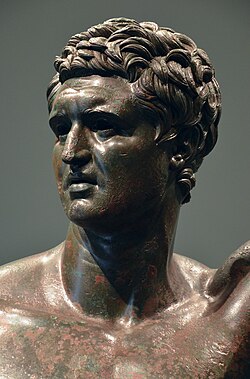
- Command Structure: Generals led the Roman army, the primary ground force of the state.
- Strategic Diversity: Leadership ranged from the defensive "Fabian strategy" to aggressive conquests in Britain and Iberia.
- Political Influence: Many generals served as consuls, dictators, or triumvirs, blending military power with political authority.
- Geographic Reach: Roman commanders operated across Europe, North Africa, and the Near East.
The Evolution of Roman Military Command
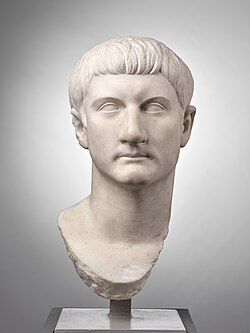
Roman military leadership evolved alongside the state, moving from the citizen-soldiers of the early Republic to the professionalized legions of the Empire. Early figures like Marcus Furius Camillus were instrumental in securing Rome's dominance over its neighbors, defeating the Gauls, Volscians, Samnites, Etruscans, and Marsians.
As Rome expanded, the role of the general became increasingly complex. Commanders were not only expected to win battles but also to manage logistics and govern conquered territories. For example, Scipio Africanus became one of Rome's most celebrated figures for his victories during the Punic Wars.
The Republic and the Rise of the Great Commanders
During the Republic, military command was often tied to political office. Figures such as Lucius Quinctius Cincinnatus served as dictators to handle emergencies, while others, like Quintus Fabius Maximus Verrucosus, developed the "Fabian strategy"—a war of attrition used to exhaust the forces of Hannibal.
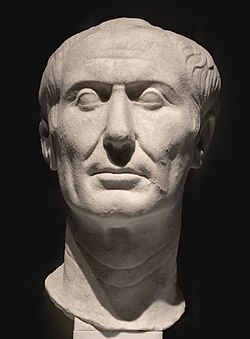
The late Republic saw the rise of powerful individuals who used military success to gain political leverage. Julius Caesar expanded Roman territory into Gaul and crossed the Rhine, while Marcus Licinius Crassus and Pompey the Great (represented by the Scipio lineage in later traditions) shaped the Mediterranean landscape.
Imperial Leadership and Late Antiquity
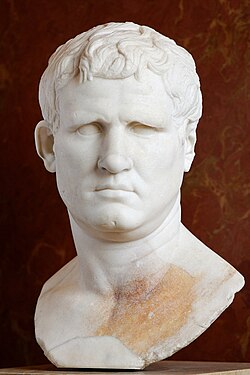
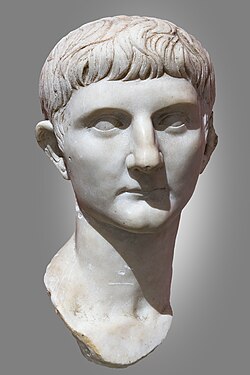
With the transition to the Empire, generals like Marcus Vipsanius Agrippa provided the tactical support necessary for Augustus to stabilize the state. Later, commanders such as Germanicus and Vespasian maintained the borders and suppressed internal revolts.
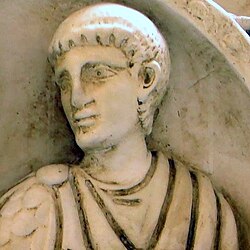
In the twilight of the Western Empire, generals like Flavius Aetius and Ricimer became the "power behind the throne," managing the defense of Rome against migrating tribes and internal instability.
Notable Roman Generals and Their Achievements
The history of Rome is marked by individuals whose specific campaigns altered the course of history. Some focused on naval dominance, such as Gaius Duilius, while others specialized in land conquests, such as Decimus Junius Brutus Callaicus in western Iberia.
| General | Key Achievement / Event |
|---|---|
| Scipio Africanus | Defeated Carthage in the Second Punic War |
| Julius Caesar | Conquest of Gaul and crossing of the Rhine |
| Publius Quinctilius Varus | Lost three legions at the Battle of the Teutoburg Forest |
| Marcus Furius Camillus | Defeated Gauls, Volscians, Samnites, Etruscans, and Marsians |
| Publius Decius Mus (340 BC) | Awarded the Grass Crown during the First Samnite War |
| Belisarius | Prominent general of the later Eastern Roman/Byzantine era |
Diverse Military Contributions
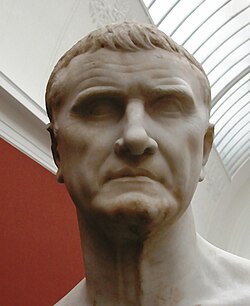
Not all generals sought total conquest; some were tasked with specific security operations. Lucius Licinius Lucullus was ordered to clear the Mediterranean of piracy, though records indicate he plundered provinces during his tenure. Others, like Publius Ostorius Scapula, were responsible for the capture of key enemy leaders, such as Caratacus.
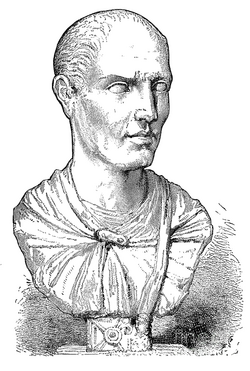
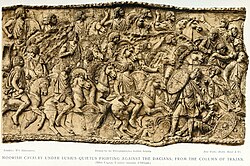
The Roman military also utilized specialized forces. Lusius Quietus, for instance, is noted for leading Berber cavalry during the Dacian wars, demonstrating Rome's ability to integrate foreign auxiliary forces into its command structure.
Frequently Asked Questions
What was the "Fabian strategy"?
The Fabian strategy, named after Quintus Fabius Maximus Verrucosus, was a military strategy of attrition. Instead of engaging in direct, large-scale battles, the general focused on wearing down the enemy through skirmishes and disrupting supply lines.
Who was the first Roman general to lead an army outside the Italian mainland?
According to historical records, the first Roman general to lead an army outside of the Italian mainland was Marcus Valerius Corvus.
What happened to Publius Quinctilius Varus?
Publius Quinctilius Varus suffered one of Rome's most significant defeats when he and three of his legions were destroyed by the Germanic leader Arminius in the Battle of the Teutoburg Forest.
Which general was awarded the Grass Crown?
Publius Decius Mus, serving as consul in 340 BC, was awarded the Grass Crown during the First Samnite War.
Who were the generals in the late Western Empire?
In the later stages of the Western Roman Empire, figures such as Flavius Aetius and Ricimer held significant military and political power, often directing the empire's defense against external threats.