Ribonucleic Acid (RNA): Structure, Function, and Biological Significance
Ribonucleic acid (RNA) is a polymeric macromolecule essential for nearly every biological function in known life forms. While often overshadowed by DNA, RNA is far more than a simple intermediary; it acts as a versatile tool that can either serve as a template for protein production or perform active catalytic functions within the cell.
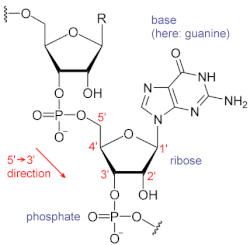
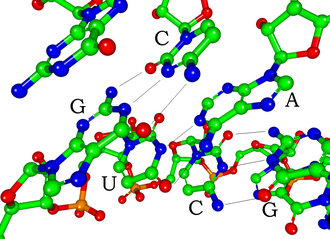
At its most basic level, RNA is assembled as a chain of nucleotides. In cellular organisms, it utilizes four nitrogenous bases: guanine (G), uracil (U), adenine (A), and cytosine (C). This molecular machinery allows RNA to convey genetic information and direct the synthesis of specific proteins, a process fundamental to the survival of all living organisms. Interestingly, many viruses rely entirely on an RNA genome to store their genetic blueprints.
Key Facts
- Essential Role: RNA is one of the four major macromolecules required for all known forms of life.
- Versatility: It can function as a genetic messenger (mRNA), a structural component (rRNA), or a catalyst (ribozymes).
- Composition: Built from nucleotides containing the bases adenine, guanine, cytosine, and uracil.
- Protein Synthesis: RNA molecules coordinate the translation of genetic code into polypeptide chains on ribosomes.
- Genomic Diversity: Some viruses use RNA instead of DNA as their primary genetic material.
The Chemical Structure of RNA
Basic Composition and DNA Differences
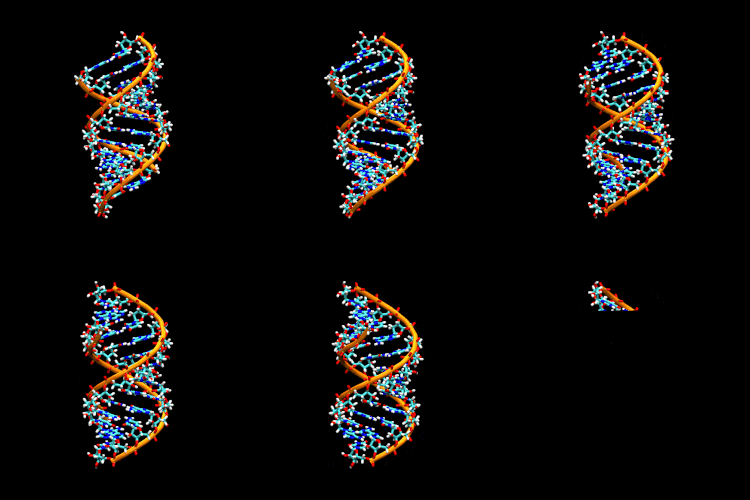
The chemical structure of RNA is closely related to that of deoxyribonucleic acid (DNA), yet it possesses three primary distinctions that allow it to perform different roles in the cell. While DNA is typically a stable, double-stranded helix designed for long-term storage, RNA is generally single-stranded and more chemically active.
Secondary and Tertiary Structures
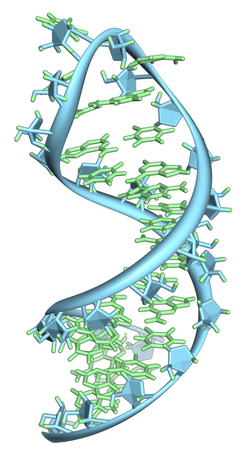
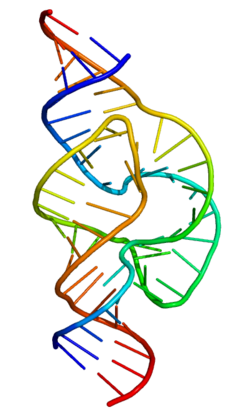
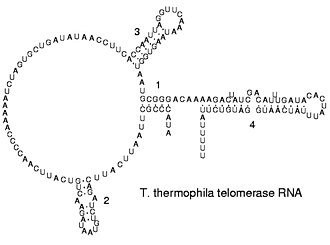
Because RNA is single-stranded, it often folds back upon itself to create complex shapes. These folds create secondary structures, such as hairpin loops, where the strand pairs with itself. These further fold into tertiary structures, creating three-dimensional shapes that allow RNA to recognize other molecules or catalyze chemical reactions.
Chemical Modifications
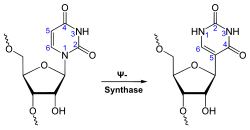
RNA frequently undergoes post-transcriptional modifications to alter its function or stability. A common example is the conversion of uridine to pseudouridine, a modification that can influence how the RNA interacts with other cellular components.
Types of RNA and Their Functions
RNAs Involved in Protein Synthesis
The process of protein synthesis is a universal biological function where RNA directs the assembly of proteins on ribosomes. This involves three primary types of RNA:
- Messenger RNA (mRNA): Carries the genetic code from the DNA to the ribosome.
- Transfer RNA (tRNA): Delivers the correct amino acids to the ribosome based on the mRNA sequence.
- Ribosomal RNA (rRNA): Forms the core structure of the ribosome and links amino acids together to form proteins.
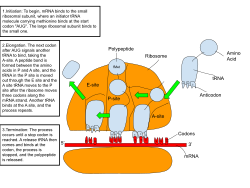
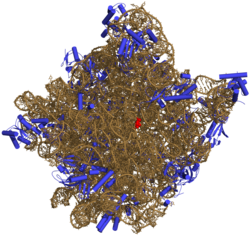
The ribosome itself is a massive complex where rRNA plays a critical role in the active site, facilitating the creation of peptide bonds.
Regulatory and Non-Coding RNA
Not all RNA is used to make proteins. Non-coding RNA (ncRNA) performs a variety of regulatory tasks, including controlling gene expression and sensing cellular signals.
MicroRNA and Small Interfering RNA
Small RNA molecules, such as microRNA (miRNA) and small interfering RNA (siRNA), are key players in gene silencing. They can bind to mRNA to prevent it from being translated into a protein, effectively "turning off" specific genes.
Other Specialized RNAs
- Long non-coding RNAs (lncRNA): Involved in cell differentiation and development.
- Enhancer RNAs: Assist in the regulation of gene transcription.
- CRISPR RNA: Used by prokaryotes as a guide for antiviral defense systems.
- Ribozymes: RNA molecules that act as enzymes to catalyze biological reactions, such as the hammerhead ribozyme which cuts other RNA strands.
RNA in Genetics and Evolution
RNA Genomes and Reverse Transcription
While most organisms use DNA, some viruses utilize RNA genomes. These viruses often employ reverse transcription, a process that converts RNA back into DNA, allowing them to integrate into a host's genome.
The RNA World Hypothesis
Many scientists support the RNA World hypothesis, which proposes that life on Earth began with RNA. In this prehistoric era, RNA would have served both as the genetic storage (like DNA) and the catalyst for chemical reactions (like proteins).
Summary of RNA Types
| RNA Type | Full Name | Primary Function | Key Characteristic |
|---|---|---|---|
| mRNA | Messenger RNA | Template for protein synthesis | Linear sequence of codons |
| tRNA | Transfer RNA | Amino acid delivery | Cloverleaf secondary structure |
| rRNA | Ribosomal RNA | Catalyzes peptide bond formation | Major component of ribosomes |
| miRNA/siRNA | Micro/Small Interfering RNA | Gene silencing/regulation | Short, non-coding sequences |
| Ribozyme | Catalytic RNA | Enzymatic activity | Complex 3D folding |
Historical Context and Medical Applications
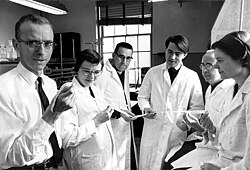
The study of RNA has evolved significantly since the early work of researchers like Robert W. Holley and his team, who contributed to the understanding of RNA structure.
Today, RNA biology is central to modern medicine. RNA therapeutics are being developed to target diseases by silencing harmful genes or delivering instructions for beneficial proteins. Additionally, chemically modified RNA is being explored for applications in bone regeneration.
Frequently Asked Questions
What is the main difference between RNA and DNA?
RNA typically exists as a single strand and uses the base uracil instead of thymine, whereas DNA is usually a double-stranded helix and uses thymine.
Can RNA act as an enzyme?
Yes, certain RNA molecules called ribozymes possess catalytic activity, allowing them to speed up chemical reactions, such as cutting other RNA molecules.
What is the role of mRNA in the cell?
Messenger RNA (mRNA) acts as a temporary copy of a gene's DNA sequence, carrying the genetic instructions from the nucleus to the ribosome for protein production.
How does RNA interference work?
RNA interference involves small RNA molecules (like siRNA or miRNA) binding to specific mRNA strands, which prevents them from being translated into proteins, thereby silencing the gene.
What is the RNA World hypothesis?
It is the theory that early life relied on RNA to both store genetic information and catalyze the chemical reactions necessary for life, before DNA and proteins evolved.