Red-Light Districts: History, Etymology, and Legal Frameworks
A red-light district, also known as a pleasure district, is a specific area within an urban environment characterized by a high concentration of sex-oriented businesses. These typically include sex shops, strip clubs, adult theaters, and prostitution. While these districts are most frequently associated with female street prostitution, some cities feature areas that encompass male prostitution and gay venues. Many global cities have developed red-light districts that are now recognized internationally.
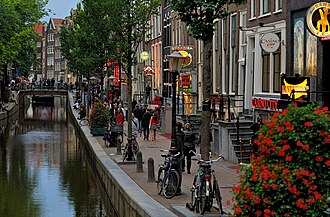
Key Facts
- Definition: Urban zones concentrated with adult entertainment and sex work.
- Earliest Records: The term appeared in US newspapers in the early 1890s and meeting minutes in 1882.
- Global Variations: Known as akasen (red-line) in Japan and sporting districts in 19th-century America.
- Legal Purpose: Some cities designate these areas to contain, regulate, and monitor sex work.
- Surveillance: Modern districts, such as those in The Hague, use video monitoring to prevent illegal activities like child prostitution.
Origins of the Term
The linguistic history of the "red-light district" is rooted primarily in the United States. Minutes from a 1882 Woman's Christian Temperance Union meeting mention such areas, and the Oxford English Dictionary cites a 1894 article in the Sandusky Register (Ohio) as the earliest printed use. A similar reference appeared in the Cincinnati Enquirer in 1893.
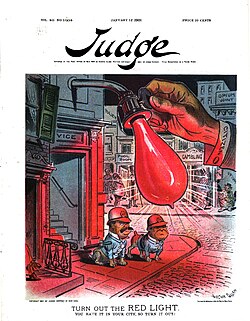
Author Paul Wellman suggests the term may have originated in Dodge City, Kansas, which housed a famous 19th-century prostitution district featuring the Red Light House saloon. While not definitively proven, this location likely contributed to the term's popularity. Other theories exist, such as the claim that railroad workers carried red lanterns to brothels for emergency identification, though folklorist Barbara Mikkelson considers this unfounded.
Another common story suggests that in 17th-century Amsterdam, prostitutes used red lanterns to camouflage skin imperfections caused by poor hygiene. However, this etymology is widely regarded as spurious.
International Terminology
Different cultures have developed their own descriptors for these zones. In Japan, the term akasen (literally "red-line") was used because police marked the boundaries of legal districts with red lines on maps. Conversely, aosen ("blue-line") referred to illegal districts. In the United States during the 19th and early 20th centuries, the term sporting district was commonly used for areas where municipal governments explicitly defined and regulated prostitution.
Legal Status and Regulation
The legal status of red-light districts varies significantly by jurisdiction. In some cases, authorities officially designate these areas to confine sex work to a single, manageable location. Notable examples include De Wallen in the Netherlands and the Reeperbahn in Germany, where prostitution is legal and regulated.
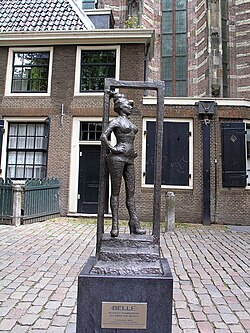
To maintain safety and legality, some districts employ high-tech monitoring. In The Hague, video surveillance is used to distinguish between legal adult sex work and illegal activities, such as child prostitution.
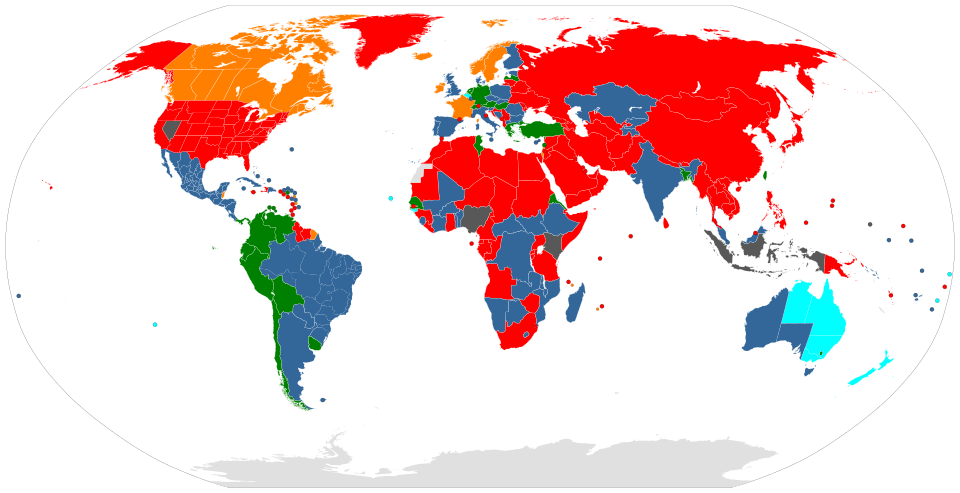
Summary of Prostitution Legality
| Legal Status | Description |
|---|---|
| Decriminalization | No criminal penalties for prostitution. |
| Legalisation | Prostitution is legal and regulated by the state. |
| Semi-legal | Prostitution is legal, but organized activities (brothels/pimping) are illegal. |
| Quasi-legal | Legal to sell sex, but illegal to buy it or involve third parties. |
| Prohibitionism | Prostitution is entirely illegal. |
Other Historical Uses of Colored Lights
Interestingly, the use of colored lights to categorize services was not limited to the "red light" concept. During World War I (circa 1915), some brothels utilized a color-coded system: blue lamps indicated the establishment was for officers, while red lamps were used for other ranks.
Frequently Asked Questions
What is a red-light district?
It is an urban area with a high concentration of sex-oriented businesses, including prostitution, strip clubs, and sex shops.
Where did the term "red-light district" originate?
The term is primarily associated with the United States in the late 19th century, with early print references appearing in Ohio newspapers in the 1890s and possible roots in Dodge City, Kansas.
What is the difference between akasen and aosen in Japan?
Akasen (red-line) referred to legal red-light districts marked on police maps, while aosen (blue-line) referred to illegal districts.
Why do some cities have officially designated red-light districts?
Authorities often create these zones to contain and regulate prostitution within a specific area, making it easier to monitor and manage.
How is surveillance used in these districts?
In cities like The Hague, video surveillance is used to help authorities identify and stop illegal forms of prostitution, such as child prostitution, while allowing legal activities to continue.