Recife: The Vibrant Cultural Capital of Northeast Brazil
Known as the Veneza Brasileira (Brazilian Venice) due to its intricate network of waterways, Recife is a sprawling metropolis and the capital of the state of Pernambuco. Founded on March 12, 1537, this coastal city blends a rich colonial history with a modern, tech-driven economy, making it one of the most significant urban centers in Brazil's Northeast region.
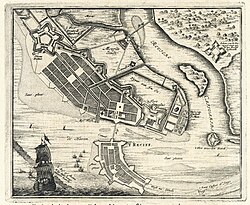
From its days as the Dutch colony of Mauritsstad to its current status as a global hub for information technology, Recife offers a unique juxtaposition of historic architecture and contemporary innovation.
Key Facts
- Founded: March 12, 1537.
- Nicknames: Brazilian Venice, Capital of the Northeast, and Mauritsstad.
- Population: Approximately 1,588,376 in the municipality and 4,305,000 in the metropolitan area (2025).
- Economy: A major logistics hub featuring the Porto Digital IT cluster and the Atlântico Sul Shipyard.
- Climate: Tropical with high annual rainfall, averaging 2,155.5 mm.
- Cultural Heritage: Home to Frevo, which is recognized as UNESCO intangible heritage.
Geography and Climate
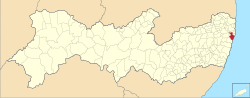
Recife is situated at a low elevation of approximately 10 meters above sea level. Its geography is defined by its coastal location and the presence of numerous rivers and islands, which earned it its "Venice" moniker.
The city experiences a tropical climate characterized by warm temperatures year-round. The average daily maximum typically ranges from 27.9°C in July to 31.0°C in February. Recife is notable for having one of the highest rainfall averages in Brazil, with the wettest period occurring between April and July.
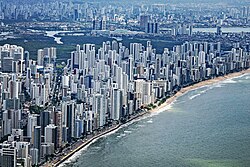
History and Urban Development
Recife's history is marked by its strategic importance as a port. After its founding in the 16th century, it became a focal point of Dutch colonization, during which it was known as Mauritsstad. The city was incorporated as a village in 1709 and officially became a city in 1823.
Today, the city is divided into six Political Administrative Regions (RPA) encompassing 94 neighborhoods. These range from the historic Recife Antigo (Old Recife) to the modern residential and tourist districts of the south.
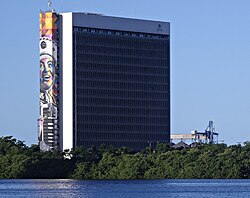
Economy and Infrastructure
Recife serves as a critical economic engine for the Northeast. It is a prominent logistics hub and a center for medical facilities and convention centers, such as the Pernambuco Convention Center.
Technology and Industry
The city has pivoted strongly toward the digital economy through the Porto Digital, a major information technology industry cluster. Industrial strength is further bolstered by the Atlântico Sul Shipyard.
Transportation
The metropolitan area is highly connected via three main Federal highways: BR-101 (connecting North to South), BR-232 (heading West), and BR-408 (heading Northwest). The city also features an international airport, a commercial port, and a metro system.
Culture, Education, and Tourism
Recife is a powerhouse of Brazilian arts and intellect. It is home to 83 higher education institutions, including the Universidade Federal de Pernambuco (UFPE) and the Universidade de Pernambuco (UPE).
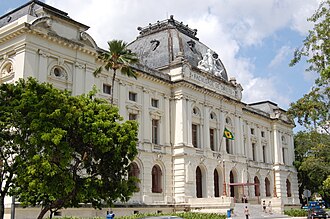
Arts and Heritage
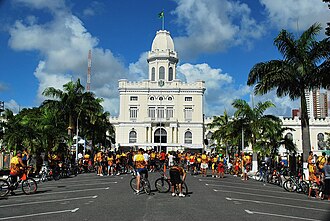
The city is world-renowned for its Carnival celebrations and Frevo, a fast-paced dance and music style included on UNESCO's list of intangible heritage. Notable cultural sites include the Ricardo Brennand Institute and the Francisco Brennand ceramic atelier.
![Frevo was included on the UNESCO's list of intangible heritage.[56]](/images/96/a3/96a39d89c98d60d7ca9f66fef41f368b59acbabbd21ce0f8fcbbbd487a5dfc3b.jpg)
Tourism and Beaches
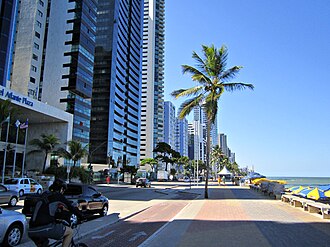
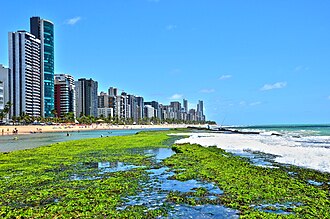
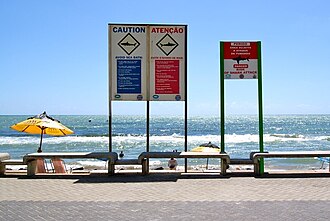
The most famous urban beach is Boa Viagem, known for its bicycle paths and natural pools. However, visitors are cautioned by signs regarding shark attacks in certain areas.
Notable Figures
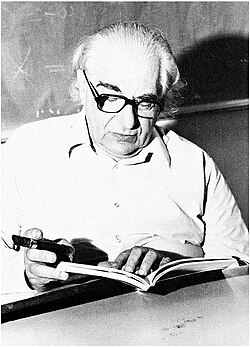
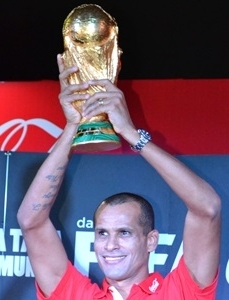
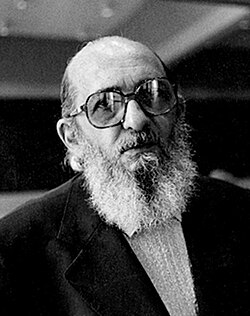
Recife has produced influential figures across various fields, including the educator Paulo Freire, the writer Clarice Lispector, the musician Mário Schenberg, and the athlete Rivaldo.

City Overview Summary
| Category | Municipality | Metropolitan Area |
|---|---|---|
| Population (2025) | 1,588,376 | 4,305,000 |
| Area | 218 km² | 2,768 km² |
| GDP (PPP, 2023) | - | $47.2 Billion |
| HDI (2010) | 0.772 (High) | - |
| Elevation | 10 m | - |
Frequently Asked Questions
Why is Recife called the "Brazilian Venice"?
Recife is nicknamed the Brazilian Venice because of its numerous rivers, bridges, and canals that weave through the urban landscape, reminiscent of the Italian city of Venice.
What is Porto Digital?
Porto Digital is a major information technology and innovation hub located in Recife, driving the city's modern economy through tech startups and software development.
Is it safe to swim at Boa Viagem Beach?
While Boa Viagem is a primary tourist attraction, there are specific areas where swimming is discouraged due to the risk of shark attacks, and warning signs are posted throughout the beach.
What is Frevo?
Frevo is a vibrant, fast-paced musical style and dance native to Recife, recognized by UNESCO as part of the world's intangible cultural heritage.
Which major sporting events has Recife hosted?
Recife has been a host city for the 1950 FIFA World Cup, the 2013 FIFA Confederations Cup, and the 2014 FIFA World Cup.