Ray-Finned Fish: Evolution, Diversity, and Anatomy of Actinopterygii
The ray-finned fish, scientifically known as Actinopterygii, represent the most successful and diverse group of vertebrates on Earth. Comprising nearly 99% of the more than 30,000 living fish species, these bony fish dominate aquatic environments globally. From the crushing depths of the ocean to the highest mountain streams and subterranean waters, actinopterygians have adapted to almost every available aquatic niche.
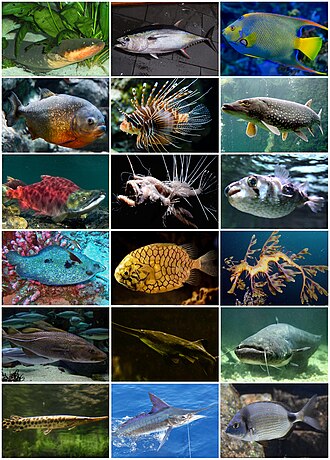
The vast majority of these species are teleosts, a clade that makes up over 50% of all living vertebrates. Their sheer variety in size is staggering: the tiny Paedocypris measures only 8 mm, while the giant sunfish can weigh up to 2,700 kg, and the giant oarfish can reach lengths of 8 to 11 meters.
Key Facts
- Dominance: Constitute nearly 99% of all living fish species.
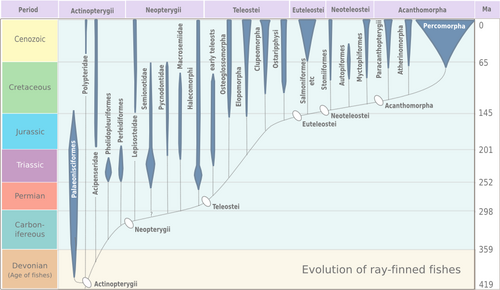
- Temporal Range: Existed from the Late Silurian period to the present (425–0 Ma).
- Size Extremes: Range from 8 mm (Paedocypris) to an extinct maximum of 16.5 m (Leedsichthys).
- Habitat: Ubiquitous in freshwater, brackish, and marine environments.
- Classification: Divided into major groups including Cladistia, Chondrostei, and Neopterygii.
Anatomy and Physical Characteristics
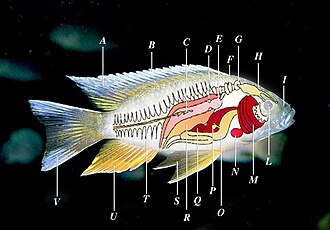
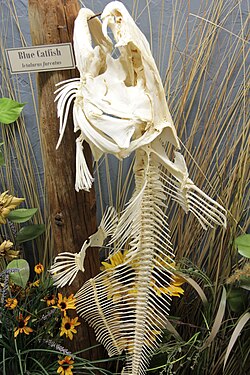
The defining feature of the Actinopterygii is their fins, which are supported by lepidotrichia (bony rays) rather than fleshy lobes. This structure allows for a wide array of body shapes and swimming styles tailored to specific ecological roles.
Specialized Body Shapes
Evolution has sculpted ray-finned fish for diverse survival strategies:
- Speed: Tuna and swordfish possess streamlined bodies and deeply forked tails for high-velocity straight-line swimming.
- Maneuverability: Cod utilize three dorsal and two anal fins to navigate complex environments.
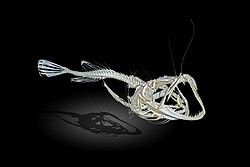
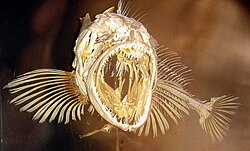
- Ambush and Luring: The fangtooth is an indifferent swimmer that relies on ambush, while the anglerfish has modified the first spine of its dorsal fin into a fishing rod with a lure.
- Unique Adaptations: The four-eyed fish (Anableps anableps) can see above and below the water surface simultaneously, and the hoodwinker sunfish (Mola tecta) has completely lost its caudal fin.
Internal Systems
While most ray-finned fish use a swim bladder for buoyancy, some primitive members, such as the bichirs (order Polypteriformes), possess lungs. Other species have developed chemical defenses, such as the poisonous boxfish (Lactoria fornasini).
Classification and Evolutionary History

The evolutionary lineage of ray-finned fish is vast, stretching back over 400 million years. They are categorized into several key subclasses and infraclasses based on their skeletal structure and evolutionary milestones.
| Group | Key Examples | Distinguishing Feature |
|---|---|---|
| Cladistia | Bichirs, Reedfish | Primitive; some possess lungs |
| Chondrostei | Sturgeons, Paddlefish | Cartilaginous skeletons in adults |
| Holostei | Gars, Bowfin | Intermediate evolutionary stage |
| Teleostei | Salmon, Tuna, Cichlids | Most advanced; 95%+ of all living species |
The Fossil Record
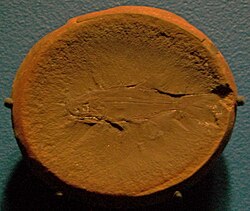
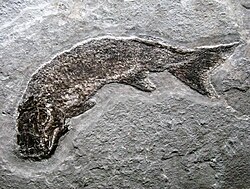
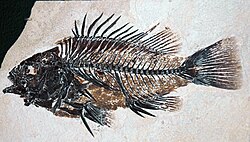
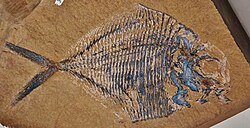
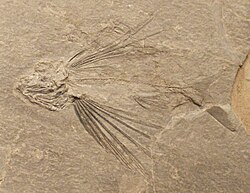
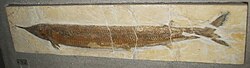
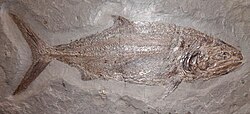
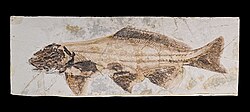
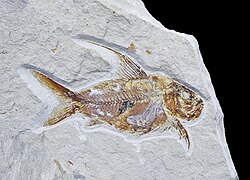
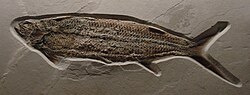
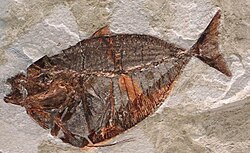
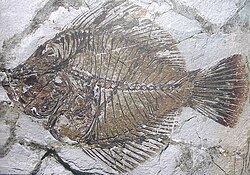
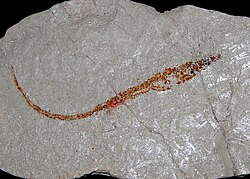
The fossil record reveals a steady progression of complexity. Early forms like the Devonian Cheirolepis canadensis gave way to more specialized Triassic and Jurassic forms. The Jurassic Leedsichthys stands as the largest ray-finned fish to ever exist, utilizing filter-feeding to reach massive proportions.

Reproduction and Behavior

Reproductive strategies vary wildly across the class. Some species exhibit complex parental care; for example, male three-spined sticklebacks build nests and defend eggs until they hatch.

Frequently Asked Questions
What makes a fish "ray-finned"?
Ray-finned fish are characterized by fins that are supported by webs of skin stretched over bony spines or rays, rather than the fleshy, lobed fins found in Sarcopterygii.
Which is the largest ray-finned fish that ever lived?
The extinct Leedsichthys from the Jurassic period is estimated to have reached lengths of 16.5 meters (54 feet).
What are teleosts?
Teleosts are a massive group within the Actinopterygii that includes the vast majority of modern bony fish, characterized by advanced skeletal structures and diverse adaptations.
Do all ray-finned fish breathe through gills?
While the majority do, some primitive ray-finned fish, such as bichirs, possess lungs that allow them to breathe atmospheric air.
How do ray-finned fish differ from sharks?
Ray-finned fish are bony fish (Osteichthyes) with skeletons made primarily of bone, whereas sharks are cartilaginous fish (Chondrichthyes) with skeletons made of cartilage.