Chordata Phylum: A Comprehensive Classification of Chordates
The phylum Chordata encompasses a diverse array of animals, ranging from simple marine filter-feeders to the most complex land mammals. At its core, this phylum is defined by specific anatomical features, though these vary significantly across its different lineages. One notable distinction exists within the Olfactores clade, which includes the subphyla Tunicata and Vertebrata; these animals possess a more advanced olfactory system compared to those outside this clade, such as the Cephalochordata.
Key Facts
- Olfactores is a clade consisting of Tunicata and Vertebrata, characterized by advanced olfactory systems.
- The phylum is divided into three primary subphyla: Cephalochordata, Tunicata, and Vertebrata.
- Placodermi and Acanthodii are the primary extinct classes detailed in this classification.
- The order Perciformes is one of the most diverse, accounting for approximately 40% of all fish species.
- Vertebrates are further split into jawless (Agnatha) and jawed (Gnathostomata) groups.
Subphylum Cephalochordata
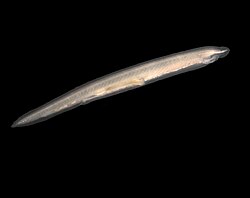
Cephalochordata consists of small, fish-like marine animals. The primary class within this subphylum is Leptocardii, which contains the lancelets (Order Amphioxiformes).
Subphylum Tunicata
Tunicates are unique chordates that often lose their chordate characteristics in adulthood. They are categorized into three distinct classes based on their lifestyle:
- Ascidiacea: Sessile (stationary) tunicates, including orders Enterogona, Pleurogona, and Aspiraculata.
- Thaliacea: Pelagic (open-ocean) tunicates, including Doliolida, Pyrosomida, and Salpida (salps).
- Appendicularia: Solitary, free-swimming tunicates belonging to the order Copelata.
Subphylum Vertebrata
Vertebrata is the most well-known subphylum, characterized by the presence of a backbone. It is broadly divided into jawless and jawed vertebrates.
Infraphylum Agnatha (Jawless Vertebrates)
The extant jawless vertebrates belong to the superclass Cyclostomata, which includes the hagfish (Class Myxini) and lampreys (Class Hyperoartia).
Infraphylum Gnathostomata (Jawed Vertebrates)
This group includes all vertebrates with jaws, spanning from ancient armored fish to modern mammals.
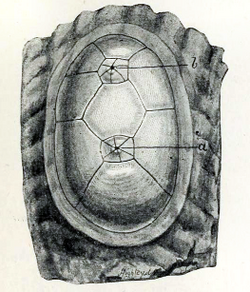
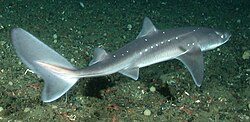
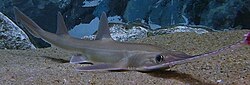
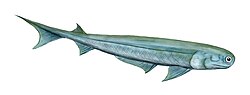
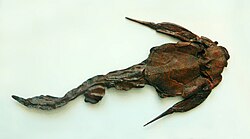
Ancient and Cartilaginous FishThe Placodermi (armoured fish) and Acanthodii (spiny sharks) are extinct classes of early jawed vertebrates. Modern cartilaginous fish belong to the class Chondrichthyes, which includes the Elasmobranchii (sharks, rays, and skates) and Holocephali (chimaeras).
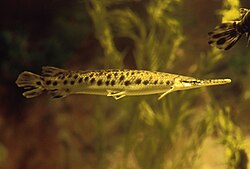
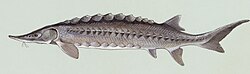
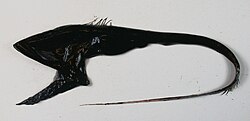
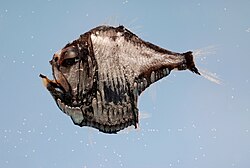
Bony fish are divided into two main classes: Actinopterygii (ray-finned fish) and Sarcopterygii (lobe-finned fish). Actinopterygii is incredibly diverse, containing groups such as the sturgeons, gars, and the massive Teleostei infraclass, which includes everything from eels to pufferfish.
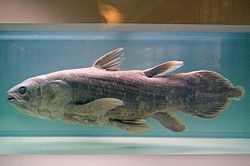
Sarcopterygii includes the coelacanths and lungfish, representing a critical evolutionary link to land animals.
Superclass Tetrapoda (Four-Limbed Vertebrates)
Tetrapods are vertebrates adapted for life on land, divided into four primary classes:
- Amphibia: Includes salamanders (Urodela), frogs and toads (Anura), and caecilians (Gymnophiona).
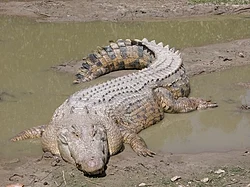
- Reptilia: Includes turtles (Testudines), lizards and snakes (Squamata), and crocodilians (Crocodilia).
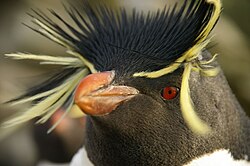
- Aves: Birds, ranging from flightless ratites like ostriches and emus to flying birds like falcons and passerines.
- Mammalia: Mammals, split into monotremes (egg-laying), marsupials (pouched), and eutherians (placental mammals).
Chordate Classification Summary
| Subphylum | Key Classes/Groups | Example Animals |
|---|---|---|
| Cephalochordata | Leptocardii | Lancelets |
| Tunicata | Ascidiacea, Thaliacea, Appendicularia | Sea squirts, Salps |
| Vertebrata | Agnatha, Chondrichthyes, Osteichthyes, Tetrapoda | Sharks, Salmon, Humans, Eagles |
Frequently Asked Questions
What is the Olfactores clade?
The Olfactores clade is a grouping that includes the subphyla Tunicata and Vertebrata. Animals within this clade are distinguished by having a more advanced olfactory (smell) system than those in the Cephalochordata subphylum.
Which chordate classes are now extinct?
Among the groups listed, the Placodermi (armoured fish) and Acanthodii (spiny sharks) are extinct classes. There are many other extinct chordate groups not detailed in this specific list.
What is the difference between Agnatha and Gnathostomata?
Agnatha refers to jawless vertebrates, such as hagfish and lampreys. Gnathostomata refers to jawed vertebrates, which include all cartilaginous and bony fish, as well as all tetrapods.
Which group of fish is the most diverse?
The order Perciformes is the most diverse, containing approximately 40% of all fish species, including perches, cichlids, and gobies.
How are mammals classified within the Chordata phylum?
Mammals (Class Mammalia) are part of the Tetrapoda superclass. They are further divided into Prototheria (monotremes), Marsupialia (marsupials), and Eutheria (placental mammals).