Rats: From Global Pests to Scientific Pioneers
Rats are among the most recognizable and widespread mammals on Earth. Belonging to the order Rodentia, these highly adaptable creatures have shaped human history, influenced urban planning, and played a critical role in modern medical science. While often viewed through the lens of pest control, the biological reality of rats is far more complex than their reputation suggests.
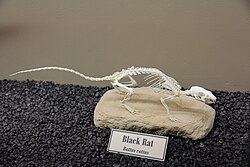
The most prominent species are the black rat (Rattus rattus) and the brown rat (Rattus norvegicus). Known collectively as "Old World rats" or "true rats," these species originated in Asia. While they are larger than their relatives, the Old World mice, wild rats rarely exceed a weight of 500 grams.
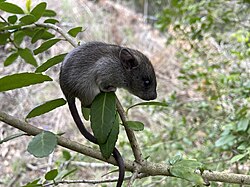
Key Facts
- Primary Species: The black rat (Rattus rattus) and the brown rat (Rattus norvegicus).
- Origin: These "true rats" are native to Asia.
- Weight: Wild specimens seldom weigh more than 500 grams.
- Urban Impact: Chicago was named the "rattiest city" in the U.S. by Orkin in 2020.
- Ecological Role: Rats are significant invasive species that can devastate local bird populations on islands.
Biological Characteristics and Anatomy
Understanding the physical makeup of a rat is essential for both biological study and pest management. Their anatomy is specialized for survival in diverse environments, from urban sewers to remote islands.
The Importance of the Tail
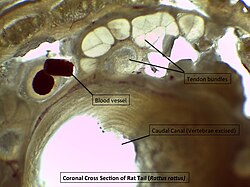
A rat's tail is a vital anatomical feature. Beyond simple balance, the tail serves various physiological functions. Microscopic examination reveals complex structures within the tail, including tendon bundles, vasculature (blood vessels), and the vertebral canal.

Rats in Science and Society
Beyond their role as pests, rats have become indispensable in the scientific community. Because of their biological similarities to other mammals, they are frequently used as scientific subjects.
Laboratory Research
Specific strains of rats are bred to study human health. For example, the Zucker rat is a laboratory strain genetically predisposed to diabetes, allowing researchers to study this metabolic disorder in a controlled environment.

Cultural Presence
Rats appear throughout human history and culture. They are featured in the Chinese zodiac, depicted in traditional Vietnamese paintings, and even serve as symbols in political propaganda. In some cultures, such as at the Karni Mata Temple, rats are treated with reverence rather than as pests.







The Challenge of Pest Control and Eradication
In many parts of the world, rats are managed as invasive species that threaten both human health and local ecosystems. Urban centers like Chicago, Los Angeles, and New York face significant challenges in managing rodent populations.
Island Restoration Projects
One of the most impactful uses of rat control is island restoration. Invasive rats can wipe out entire populations of native seabirds. To combat this, international teams have undertaken massive eradication efforts:
- South Georgia: An international "Rat Team" utilized helicopters and 100 tons of poison to protect seabird habitats.
- Hawadax Island, Alaska: Declared rat-free after 229 years.
- Campbell Island, New Zealand: Successfully cleared of rats to restore ecology.
- Lundy, England: Declared free of brown and black rats in 2006.

Aggressive Management in Alberta
In Alberta, Canada, the government implemented an extremely aggressive control program to prevent rats from spreading from the eastern border. This systematic detection and eradication system utilized various methods, including shotguns, high explosives, and eventually warfarin, a rodenticide that proved safer and more effective than earlier methods like arsenic trioxide.
Summary of Rat Species and Impact
| Feature | Black Rat (R. rattus) | Brown Rat (R. norvegicus) |
|---|---|---|
| Primary Origin | Asia | Asia |
| Common Habitat | Often found in structures/trees | Often found near humans/structures |
| Ecological Threat | High (Invasive on islands) | High (Invasive on islands) |
| Control Method | Trapping, Baiting, Predators | Trapping, Baiting, Predators |
Frequently Asked Questions
What are the most common types of rats?
The two most well-known species are the black rat (Rattus rattus) and the brown rat (Rattus norvegicus).
Why are rats eradicated from islands?
Rats are often invasive species on islands and can devastate local wildlife, such as wiping out more than 90% of seabird populations in some areas.
How are rats controlled in major cities?
Cities use various methods, including professional pest control, rodenticide (such as warfarin), and even biological deterrents like sterilized and vaccinated feral cats.
Are rats used in medical research?
Yes, specific strains like the Zucker rat are used in laboratories to study metabolic disorders like diabetes.
What is the difference between a rat and a mouse?
Rats are generally larger than most Old World mice, though they are closely related members of the same order.