Understanding the Brown Rat: Biology, Behavior, and Global Impact
The brown rat, scientifically known as Rattus norvegicus, is one of the most successful and widely distributed mammals on Earth. Often referred to as the Norway rat, this resilient rodent has transitioned from its natural habitats to become a ubiquitous presence in human urban environments. While often viewed as a pest, the brown rat is a biological marvel with complex social structures and a profound impact on scientific research.
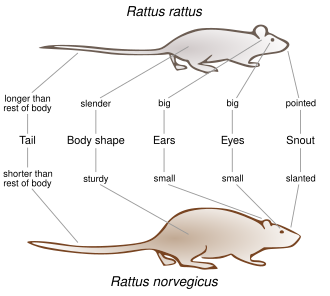
Key Facts
- Scientific Name: Rattus norvegicus
- Conservation Status: Least Concern (IUCN 3.1)
- Primary Habitat: Highly adaptable; found in urban, agricultural, and wild environments.
- Global Status: A major invasive species in many parts of the world.
- Scientific Role: Widely used as a model organism in laboratory research.
Biological Profile and Classification
The brown rat belongs to the order Rodentia and the family Muridae. It is a placental mammal, meaning its young develop within a placenta before birth. Since its formal classification by Berkenhout in 1769, the species has been studied extensively for its evolutionary adaptations.
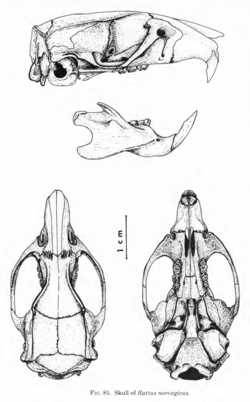
Physical Characteristics
Brown rats are characterized by their robust build. They are distinct from the black rat (Rattus rattus) in both physique and skull structure. Their ability to thrive in diverse environments is linked to their physical adaptability, allowing them to navigate both subterranean burrows and complex urban infrastructure.
Behavior and Social Life
Brown rats are highly social creatures with intricate communication methods. They utilize various signals to interact with one another, including ultrasonic vocalizations—sounds that are too high-pitched for human ears to detect. These vocalizations are used during mating, defensive responses, and even to elicit maternal care from mothers toward their pups.
Communication and Mating
Social dynamics play a massive role in the life of a brown rat. Mating behaviors can be complex, involving group dynamics where social status and even the social history of the rats can influence mate choice. Research has even suggested that rats exhibit behaviors akin to "joy" through specific vocalizations.
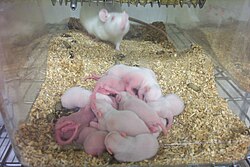
Diet and Foraging
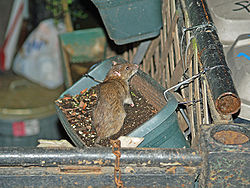
As opportunistic omnivores, brown rats can consume a vast array of food sources. In urban settings, they frequently scavenge from human refuse, such as discarded plastic food containers. This dietary flexibility is a primary reason for their success in human-dominated landscapes.
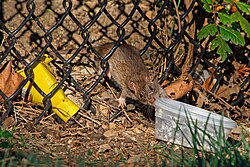
Burrowing and Habitat
In the wild, brown rats are known for their impressive burrowing abilities. They create complex underground tunnel systems that provide protection from predators and environmental extremes. This instinctual behavior makes them particularly difficult to manage in agricultural and residential areas.
The Global Impact: An Invasive Species
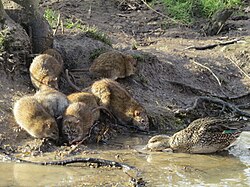
The brown rat is considered one of the world's most significant invasive species. When introduced to new environments, they often compete with and threaten local wildlife. Their spread is frequently linked to human maritime history; for example, between 1750 and 1775, Norway rats reached North America, and by the early 20th century, half of the ships entering New York City were reported to be rat-infested.
Specific regions have faced significant challenges due to their presence, including:
- The Faroe Islands: Where genomic studies show multiple independent introductions.
- Alaska: Where eradication efforts are used to protect local ecosystems.
- New Zealand and Alberta: Areas where management is critical to protecting native fauna.
Rats in Science and Society
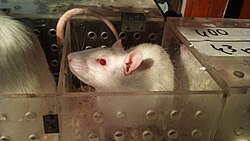
Beyond their reputation as pests, brown rats have become indispensable to modern science. In laboratory settings, they serve as model organisms, helping researchers understand human biology, genetics, and disease. Their highly controlled environments allow for precise studies on behavior, reproduction, and pharmacology.
Uses in Research
Because of their biological similarities to humans in many respects, they are used in a wide range of studies, from studying the effects of toxins to understanding complex neurological functions. This transition from "obnoxious pest" to "laboratory essential" highlights the dual nature of the species.
Summary of Species Data
| Category | Details |
|---|---|
| Kingdom | Animalia |
| Phylum | Chordata |
| Class | Mammalia |
| Order | Rodentia |
| Family | Muridae |
| Genus | Rattus |
| Species | R. norvegicus |
Frequently Asked Questions
How can you tell a brown rat apart from a black rat?
Brown rats (R. norvegicus) generally have a more robust, heavier physique compared to the black rat (R. rattus). They also exhibit differences in skull shape and overall body proportions.
Why are brown rats considered invasive?
They are considered invasive because they have been introduced to many parts of the world by humans, where they compete with native species for food and habitat, often threatening local biodiversity.
What do brown rats eat?
They are opportunistic omnivores, meaning they eat almost anything. In the wild, this includes plants and small animals, while in urban areas, they frequently scavenge human food waste.
Are brown rats used in scientific research?
Yes, they are widely used as laboratory animals. Their biological and behavioral characteristics make them excellent models for studying various medical and psychological phenomena.
How do brown rats communicate?
They communicate through various means, including physical social interactions and ultrasonic vocalizations—high-frequency sounds that are inaudible to humans but vital for their social structure.