Ramesses II: The Life and Legacy of Egypt's Greatest Pharaoh
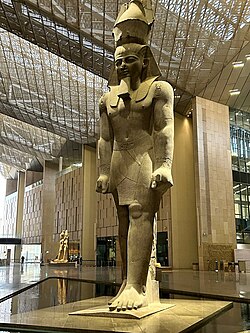
Known to history as Ramesses the Great (or Ozymandias in later literature), Ramesses II stands as one of the most formidable figures of the ancient world. As the third pharaoh of the Nineteenth Dynasty, he presided over the New Kingdom—the pinnacle of ancient Egypt's power and influence. His reign was defined by an unprecedented combination of military ambition, diplomatic innovation, and a monumental building program that continues to awe visitors thousands of years later.
Ramesses II is celebrated not only for his longevity but for his success as a warrior king. Throughout his rule, he conducted at least 15 military campaigns, nearly all of which resulted in victory. His 66-year reign is one of the longest in recorded history, cementing his status as a symbol of stability and imperial strength.
Key Facts
- Reign: 1279–1213 BC (approximately 66 years).
- Dynasty: 19th Dynasty of the New Kingdom.
- Major Conflict: The Battle of Kadesh against the Hittite Empire.
- Diplomatic Milestone: Signed one of the world's first recorded peace treaties.
- Family: Fathered between 88 and 103 children.
- Death: Died c. 1213 BC at the age of 90–91.
The Longest Reign of the New Kingdom
Ramesses II ascended to the throne on May 31, 1279 BC. Historical records, including the writings of Josephus and the Papyrus Gurob fragment L, confirm a reign of 66 years and roughly two months. He passed away on August 13, 1213 BC, having outlived many of his successors and contemporaries.
Military Campaigns and the Hittite Conflict
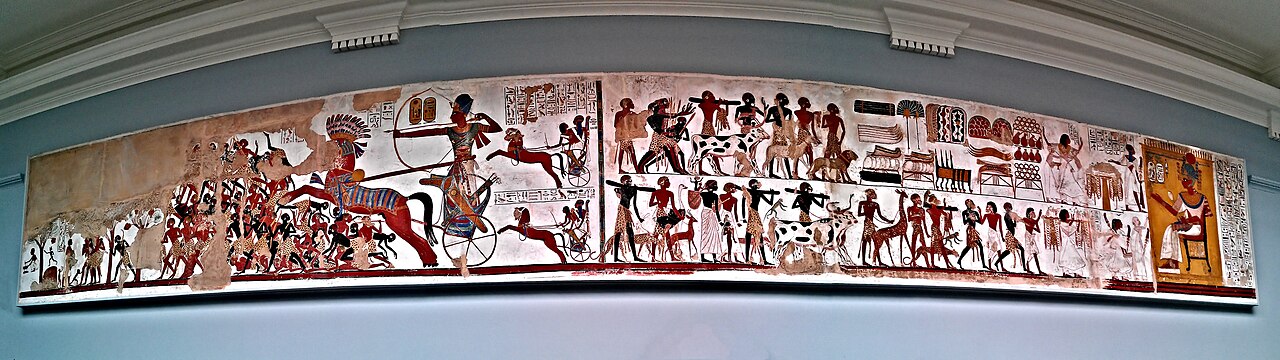
Ramesses II was a prolific warrior who sought to secure Egypt's borders and expand its influence. His early efforts included campaigns against Sherden pirates and various incursions into Syria. To support these ambitions, he established a new capital, Pi-Ramesses, which served as a military hub. The city featured factories capable of producing 1,000 weapons and 1,000 shields per week, as well as 250 chariots every fortnight.
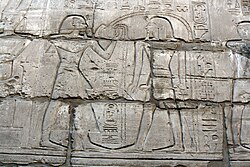
![A relief of Ramesses II from Memphis showing him capturing enemies: a Nubian, a Libyan and a Syrian, c. 1250 BC. Cairo Museum.[36]](/images/19/4d/194da64ed97a0e2ca903133f141c5c839188a1863c82ccc62ca1dfdf08d24b60.png)
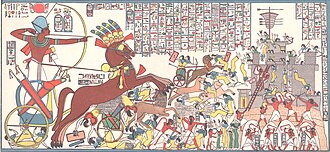
The most significant challenge of his military career was the conflict with the Hittite Empire in the Levant. This culminated in the Battle of Kadesh, a massive clash that is generally regarded by historians as a stalemate. Despite the lack of a decisive victory, Ramesses portrayed the event as a triumph in Egyptian records.
The First Great Peace Treaty
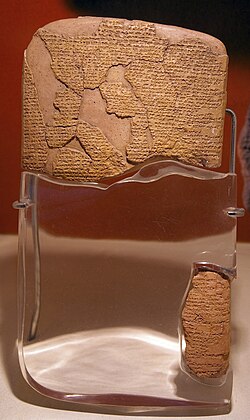
Following years of conflict, Ramesses II and the Hittite King Ḫattušili III negotiated a historic peace treaty around 1259 BC. This agreement was recorded in both Egyptian hieroglyphs and Hittite cuneiform. Interestingly, the two versions differ slightly: the Hittite version claims the Egyptians sought peace, while the Egyptian version claims the opposite. The treaty was originally delivered as a silver plaque and later carved into the walls of the temple at Karnak.
Architectural Legacy and Monuments
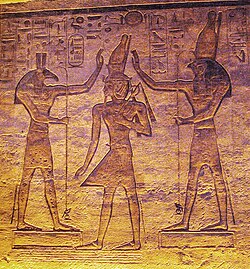
Ramesses II is perhaps best known for his obsession with monumental architecture, using massive structures to project his power and divine right to rule. His projects spanned from the heart of Egypt to the frontiers of Nubia.
- Abu Simbel: Two massive temples carved directly into the sandstone cliffs of Nubia, featuring colossal statues of the pharaoh.
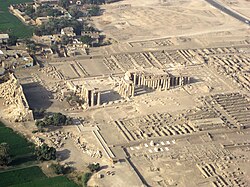
- The Ramesseum: His great mortuary temple, designed to serve as a center for his cult after death.
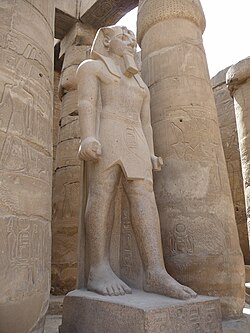
- Luxor and Karnak: Extensive additions to these existing religious complexes, including the Great Hypostyle Hall.
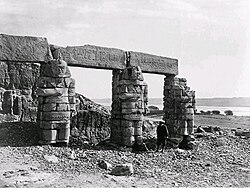
- Nubian Temples: Construction of sites such as Gerf Hussein and the Temple of Beit El-Wali.
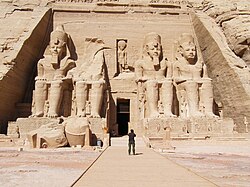
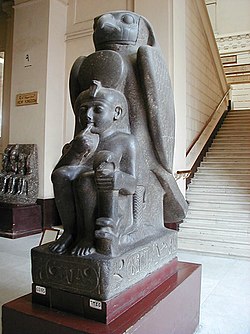
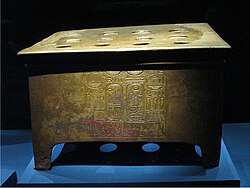
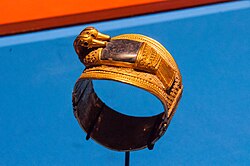
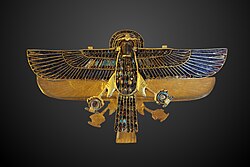
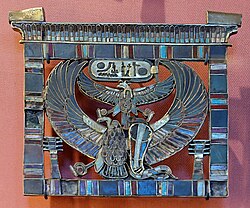
Beyond temples, Ramesses II left behind a wealth of smaller artifacts, from gold and lapis lazuli jewelry to bronze braziers used for burning incense. Modern archaeology continues to uncover new pieces, such as a rare red granite Ka statue (a statue representing the king's life force) discovered in Giza in 2019.
Death, Burial, and the Mummy
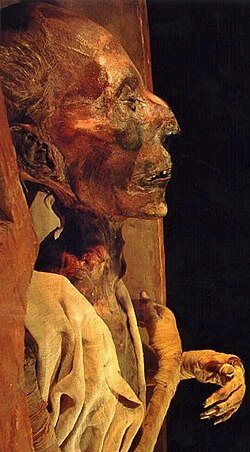
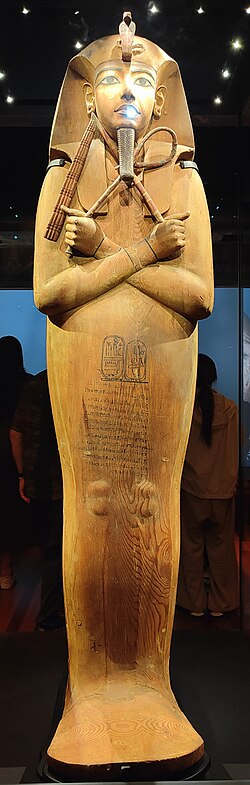
Ramesses II was originally interred in tomb KV7 in the Valley of the Kings. However, due to widespread looting in the valley, priests moved his body multiple times to protect it, eventually placing it in the tomb of the high priest Pinedjem II. His mummy was finally rediscovered in 1881 in tomb TT320.
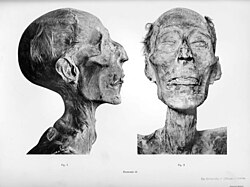
The mummy of Ramesses II has been the subject of extensive scientific study. In the 20th century, it was even transported to Paris for treatment to remove fungi and insects. Today, it rests in the National Museum of Egyptian Civilization in Cairo.
| Category | Details |
|---|---|
| Royal Titulary (Prenomen) | User maat Re, setep en Re (The justice of Rê is powerful – chosen of Rê) |
| Consorts | Nefertari, Isetnofret, and others |
| Key Monuments | Abu Simbel, Ramesseum, Pi-Ramesses |
| Burial Site | KV7 (Original), later moved to TT320 |
| Lifespan | c. 1303 BC – 1213 BC |
Frequently Asked Questions
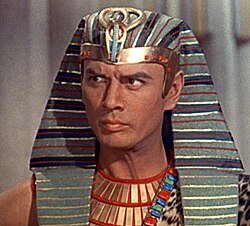
Was Ramesses II the pharaoh from the biblical Exodus?
While popular culture and films often depict him as the pharaoh of the Exodus, many archaeologists and historians refute this connection based on the available archaeological evidence.
How many children did Ramesses II have?
Records indicate that Ramesses II had a very large family, with estimates placing the number of his children between 88 and 103.
What was the significance of the Battle of Kadesh?
The Battle of Kadesh was a major conflict between the Egyptians and the Hittites. Although it ended in a stalemate, it eventually led to the signing of one of the first known peace treaties in history.
Where is the mummy of Ramesses II located now?
The mummy is currently housed in the National Museum of Egyptian Civilization in Cairo, Egypt.
What is a Ka statue?
A Ka statue is a representation of the individual's life force (Ka). A rare red granite Ka statue of Ramesses II was discovered in Giza in 2019, marking the first time such a statue was found made of granite rather than wood.