Ragtime Music: The Syncopated Rhythm That Shaped American Sound
Ragtime is a distinctive musical style defined by its syncopated—or "ragged"—rhythm, where the beat is shifted to create a playful, energetic feel. Emerging from African American communities in the late 19th century, ragtime became a cultural phenomenon between the 1890s and 1910s. While it was eventually overshadowed by the rise of jazz in the 1920s, its influence persists in everything from modern pop to classical compositions.
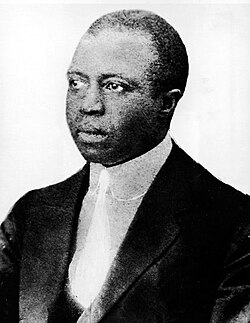
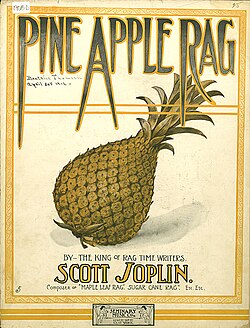
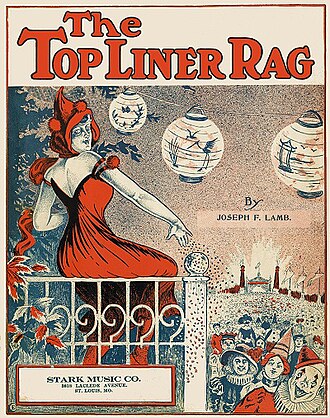
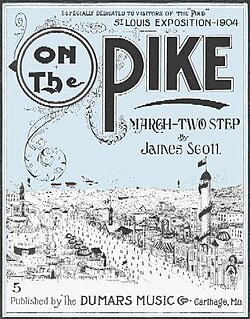
The genre was propelled to mainstream fame by visionary composers such as James Scott, Joseph Lamb, and most notably Scott Joplin. Joplin, often hailed as the "King of Ragtime," transformed the style into a sophisticated art form with timeless pieces like "Maple Leaf Rag" and "The Entertainer."
Key Facts
- Origin: Developed in African American communities in the Midwestern and Southern United States during the late 19th century.
- Defining Feature: Syncopation, which creates a "ragged" rhythmic effect.
- Key Figure: Scott Joplin, the "King of Ragtime," whose work bridged the gap between popular and classical music.
- Legacy: Directly influenced the birth of jazz, Harlem stride piano, and Piedmont blues.
- Global Reach: Influenced European classical composers like Claude Debussy and Igor Stravinsky.
The Origins and Evolution of Ragtime
While no recorded examples exist from before the 1890s, oral traditions suggest the style's roots go back further. One early example is "The Dream Rag" (originally "The Bull Dyke's Dream") by Jessie Pickett. Performed at the 1893 Chicago World's Fair, this piece utilized a habanera (a slow, syncopated Cuban dance rhythm) left-hand rhythm rather than the march-style bass that later defined the genre.
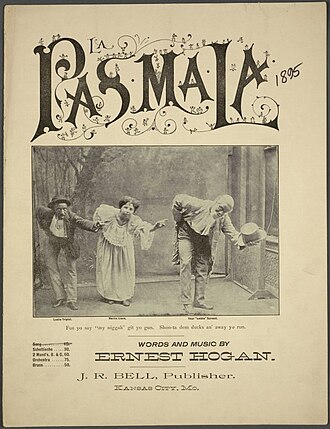
The transition to published music began in 1895. Ben Harney's "You've Been a Good Old Wagon But You Done Broke Down" was one of the first registered copyrights, helping bring the sound to wider audiences. In September 1895, Ernest Hogan registered "La Pas Ma La," though historians note its rhythm differed from the later, fully developed ragtime style.
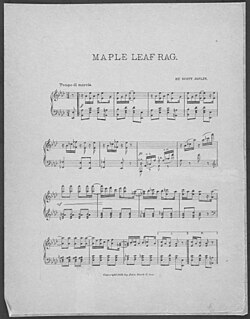
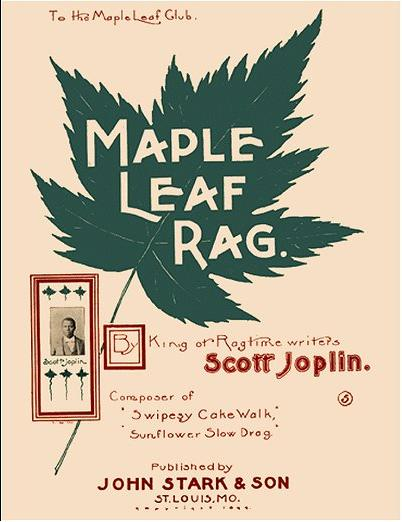
By 1897, instrumental ragtime had fully emerged. Scott Joplin soon became the face of the movement. His 1899 publication of "Maple Leaf Rag" set a new standard for melody and chord progression, influencing nearly every ragtime composer who followed for over a decade.
The Golden Age and Global Influence
At its peak, ragtime traveled far beyond the American Midwest. Shipboard orchestras carried the music across the Atlantic, and by 1912, the American Ragtime Octette (ARO), organized by Lewis F. Muir, performed the first public ragtime concerts in the United Kingdom. These performances introduced British audiences to hits like "Waiting for the Robert E. Lee," marking some of the first American popular songs to impact British culture.
In the United States, the music was often intertwined with the cakewalk (a stylized dance) and the controversial "coon songs" of the era. While these songs often relied on racist stereotypes, they paradoxically helped spread ragtime rhythms to a massive audience. For example, Ernest Hogan's "All Coons Look Alike to Me" sold a million copies, cementing the rhythm's popularity despite its offensive content.
Influence on Classical Music
The energy of ragtime caught the attention of European classical composers. Claude Debussy emulated the style in his 1908 piece "Golliwog's Cake Walk," as well as in his later preludes. Other composers, including Antonín Dvořák and Igor Stravinsky, also drew inspiration from the syncopated American sound.
Derivative Styles and Musical Legacy
Ragtime served as a foundational pillar for several other genres. It was a primary influence on early jazz, alongside the blues. Artists like Jelly Roll Morton blended ragtime with a "Spanish tinge," incorporating tango and habanera rhythms.
The style also evolved into stride piano, a more improvisational approach popular in the 1920s and 30s, and Piedmont blues, where the syncopation was adapted for the guitar. This "ragtime guitar" style was championed by artists such as Blind Blake and Elizabeth Cotten.
Beyond the piano, ragtime was scored for brass bands and dance ensembles. Scott Joplin even attempted to merge ragtime with opera in his work Treemonisha. Though its initial performance was a failure and the score was lost for decades, it was rediscovered in 1970 and fully staged in 1972.
The Great Revivals
After being supplanted by jazz in the 1920s, ragtime experienced several waves of resurgence:
- 1940s-50s: Jazz bands began re-incorporating ragtime into their repertoires, releasing recordings on 78 rpm records.
- 1960s: The publication of They All Played Ragtime by Harriet Janis and Rudi Blesh provided a scholarly foundation for the genre, while Max Morath's television series brought the music back to the public eye.
- 1970s: The most significant revival occurred due to the film The Sting (1973), which featured a soundtrack of Joplin's music. Marvin Hamlisch's orchestration of "The Entertainer" became a Top 5 hit in 1975.
| Period/Category | Key Elements / Figures | Impact/Outcome |
|---|---|---|
| Origins (1890s) | Jessie Pickett, Ben Harney | Transition from oral tradition to published sheet music. |
| Golden Age (1899-1917) | Scott Joplin, James Scott | Global popularity; establishment of the "Classic Rag." |
| Derivative Genres | Stride Piano, Piedmont Blues, Jazz | Evolution into improvisational and guitar-based styles. |
| Modern Revivals | The Sting (film), Joshua Rifkin | Re-establishment of Joplin as a serious composer. |
Frequently Asked Questions
Who is considered the most important ragtime composer?
Scott Joplin is widely regarded as the most important figure in ragtime. Known as the "King of Ragtime," he composed legendary pieces such as "Maple Leaf Rag" and "The Entertainer," and sought to elevate the genre to the level of classical music.
What is the difference between ragtime and jazz?
While ragtime influenced jazz, ragtime is primarily a composed, syncopated style often played on the piano. Jazz, which rose to prominence in the 1920s, incorporates more improvisation and a wider array of instruments.
How did ragtime influence European music?
European classical composers, including Claude Debussy and Igor Stravinsky, were fascinated by ragtime's rhythms. Debussy, for instance, wrote "Golliwog's Cake Walk" as a direct nod to the style.
What caused the ragtime revival in the 1970s?
The revival was driven by several factors: the film The Sting, which used Joplin's music; the release of The Collected Works of Scott Joplin by the New York Public Library; and Grammy-winning recordings by Joshua Rifkin and the New England Ragtime Ensemble.
What is "ragtime guitar"?
Ragtime guitar is a style associated with Piedmont blues, where the guitarist uses syncopated fingerpicking to mimic the rhythmic feel of ragtime piano. Notable practitioners include Blind Boy Fuller and Elizabeth Cotten.