Rhythm and Blues: The Evolution of a Musical Powerhouse
Rhythm and blues, commonly known as R&B, is a cornerstone of American music that emerged from African-American communities in the 1940s. While the term has shifted in meaning over the decades—once describing raw blues records and later becoming a blanket term for soul and funk—its core has always been defined by a powerful beat and deep emotional resonance.
From its roots in the Deep South to its global influence on rock and roll, R&B represents a fusion of diverse musical traditions, including jazz, gospel, and spirituals. It is a genre that not only broke musical boundaries but also bridged cultural divides during a transformative era in United States history.
Key Facts
- Origins: Developed in African-American communities during the 1940s, primarily in the Deep South.
- Core Influences: A blend of jazz, blues, spirituals, gospel, and boogie-woogie.
- Pioneers: Early stars included Louis Jordan, Big Joe Turner, and Wynonie Harris.
- Legacy: Served as a primary precursor to the birth of rock and roll in the 1950s.
- Instrumentation: Typically features saxophone, piano, electric guitar, double bass, drum kit, and horns.
The Birth of R&B and Jump Blues
In the late 1940s, the music we now recognize as R&B began to take shape. In 1948, RCA Victor marketed black music under the label "Blues and Rhythm." During this period, jump blues—a high-energy style of jazz-based blues with a heavy beat—dominated the scene. Louis Jordan and his band, the Tympany Five, were central to this movement, blending saxophone-led melodies with the driving rhythms of boogie-woogie.
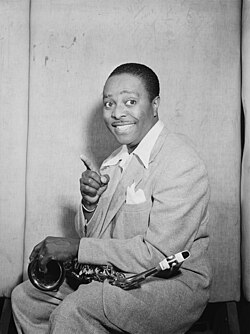
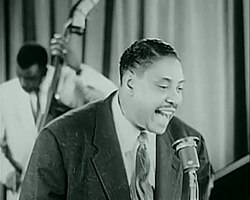
Other influential figures of this era included Big Joe Turner, Roy Brown, Billy Wright, and Wynonie Harris. Their music was described as "urbane" and "rocking," characterized by an insistent beat that invited dancing and high energy.
Afro-Cuban Rhythmic Influence
The rhythmic complexity of R&B was further enriched by Afro-Cuban influences, particularly in cities like New Orleans. The integration of the habanera rhythm—a syncopated beat—and the clave (a rhythmic pattern that serves as the structural foundation of Afro-Cuban music) added a new layer of danceability and swing to the genre.
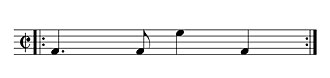
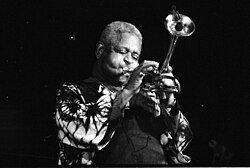
Musicians like Dizzy Gillespie were instrumental in blending these Afro-Cuban rhythms with jazz, while New Orleans artists like Professor Longhair incorporated these elements into "rumba boogie," creating a unique regional sound.
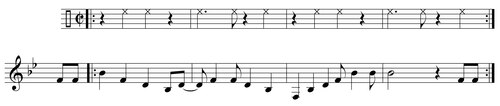
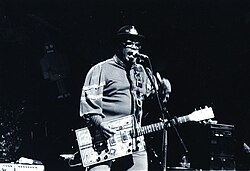
The essence of this influence can be seen in the tresillo (a three-note rhythmic cell) answered by a backbeat, a motif that would later become a staple in various forms of African American music, including the famous "Bo Diddley beat."


The 1950s: Crossing Over to Rock and Roll
Initially, R&B was consumed almost exclusively by African-American audiences. However, by the early 1950s, white teenagers began purchasing R&B records in significant numbers. In 1952, for instance, 40% of sales at Dolphin's of Hollywood in Los Angeles were to white customers.
This shift was accelerated by DJs like Alan Freed, who began playing R&B on his late-night radio show, "The Moondog Rock Roll House Party," and began referring to the music as rock and roll.
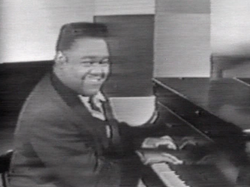
During this era, artists like Fats Domino and Ray Charles achieved national prominence. Charles, in particular, was noted for mixing the blues with spirituals, a fusion that challenged musical conventions of the time.
The recording of "Rocket 88" by Ike Turner and his Kings of Rhythm (with vocals by Jackie Brenston) in 1951 is often cited as one of the first rock and roll records, though Ike Turner himself viewed it as R&B that acted as the catalyst for rock and roll's existence.
Breaking Racial Barriers
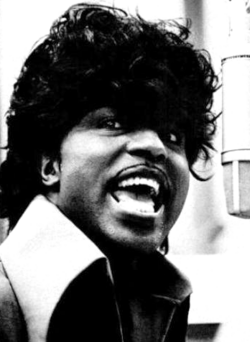
By the late 1950s, the boundaries between R&B and pop music continued to blur. In 1957, Elvis Presley achieved the unprecedented feat of placing two records in the R&B top five, signaling a growing acceptance of non-African American artists within a genre created by Black musicians. Similarly, jazz pianist Nat King Cole found success on the R&B charts in 1958.
R&B's Diverse Legacy and Evolution
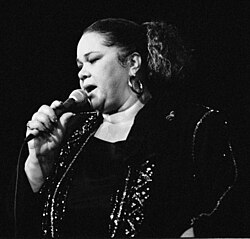
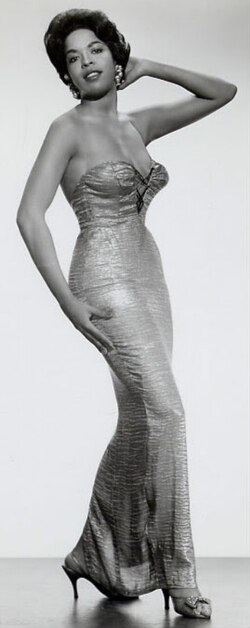
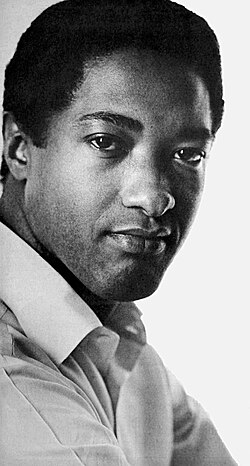
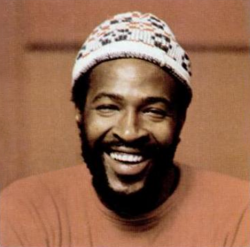
As the genre evolved, it branched into numerous subgenres and fusion styles. The vocal harmony tradition led to the rise of doo-wop, while the blending of gospel and R&B paved the way for soul music. Artists like Etta James, Sam Cooke, and Marvin Gaye further refined the sound, introducing smoother vocals and more complex arrangements.
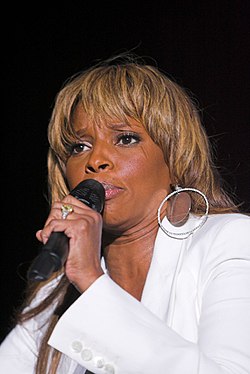
By the 1990s, the genre evolved again as artists like Mary J. Blige blended R&B with hip-hop, shaping the sound of contemporary urban music.
International Influence
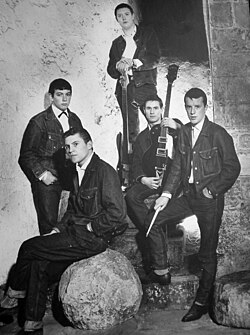
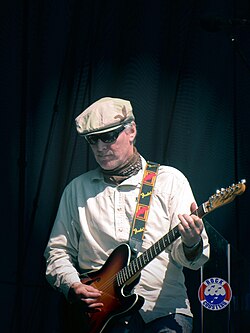
R&B also had a profound impact outside the United States, particularly in the United Kingdom. British artists and bands, such as Eric Burdon & the Animals and Steve Winwood (with the Spencer Davis Group and Traffic), drew heavily from R&B to create a distinct British blues and beat sound.
| Era | Primary Style/Term | Key Characteristics | Notable Artists |
|---|---|---|---|
| Late 1940s | Jump Blues | Jazz-based, heavy beat, saxophone-led | Louis Jordan, Big Joe Turner |
| Early 1950s | Early R&B | Fusion of blues, gospel, and boogie-woogie | Johnny Otis, The Clovers |
| Mid-Late 1950s | Rock and Roll Transition | Crossover appeal, electric instrumentation | Fats Domino, Ray Charles, Elvis Presley |
| 1960s-1970s | Soul and Funk | Gospel influence, smooth vocals, rhythmic grooves | Sam Cooke, Marvin Gaye |
| 1990s-Present | Contemporary R&B | Hip-hop fusion, electronic production | Mary J. Blige |
Frequently Asked Questions
What is the difference between jump blues and R&B?
Jump blues was an early form of R&B characterized by a jazz-based sound, a heavy beat, and often a saxophone-led ensemble. While jump blues is a precursor, the term R&B eventually expanded to include a wider array of styles, including electric blues, gospel, and soul.
How did Afro-Cuban music influence R&B?
Afro-Cuban music introduced syncopated rhythms such as the habanera and the clave pattern. These elements, particularly in New Orleans, added a distinct rhythmic drive to R&B, influencing everything from rumba boogie to the "Bo Diddley beat."
Was "Rocket 88" the first rock and roll song?
It is frequently cited as one of the first rock and roll records or a primary precursor. However, its creator, Ike Turner, described it as an R&B song that served as the cause for rock and roll's existence.
Who were some of the first white artists to succeed in R&B?
Elvis Presley was one of the first non-African American artists to achieve significant success on the R&B charts, placing two songs in the top five in 1957. Nat King Cole also had a top-five R&B hit in 1958.
What instruments are typical for traditional R&B?
Traditional R&B typically utilizes a combination of the drum kit, double bass, piano, electric guitar, electric organ, and horns, with the saxophone often playing a lead role.