Pulp Production: The Science and History of Papermaking Materials
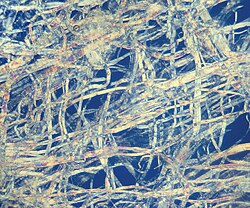
Pulp is a fibrous lignocellulosic material—a complex structure of cellulose, hemicellulose, and lignin—created by isolating cellulosic fibers from wood, fiber crops, waste paper, or rags. By combining these fibers with water and specific chemical or plant-based additives, manufacturers create the primary raw material used for paper and a wide array of industrial paper products.
Unlike ancient writing surfaces like papyrus or amate, which used largely unprocessed plant strips, modern pulp is produced through maceration. This process breaks down the raw material into a fine, regular slurry of fibers that can be screened and dried into consistent sheets or rolls.
Key Facts
- Primary Source: Over 95% of global pulp is currently produced from wood and tree products.
- Dominant Method: The Kraft (sulfate) process is the most widely used chemical pulping method due to its strength and versatility.
- Efficiency: Mechanical pulping is roughly twice as efficient in wood usage as chemical pulping, as it retains most of the wood mass.
- Sustainability: Approximately 90% of pulp is sourced from plantations or reforested areas.
- Composition: Lignin is the organic polymer that binds fibers together; its removal is key to preventing paper from browning and becoming brittle.
The Evolution of Pulping
Ancient Origins
Papermaking as we know it was pioneered by Cai Lun in China around AD 105. Early Chinese pulp utilized bast fibers (inner bark) from the paper mulberry plant, along with hemp rags and net scraps. By the 6th century, mulberry trees were domesticated specifically for pulp production, though bamboo, hibiscus bark, straw, and cotton were also used.
This technology reached Europe in the 13th century, where the use of linen and hemp rags became central to the industry. The affordability of rag paper played a critical role in the subsequent development of the printing press.
The Industrial Shift to Wood
The 19th century marked a pivot toward wood pulp to meet the demands of industrialization. Mechanical pulping was developed simultaneously in the 1840s by Friedrich Gottlob Keller in Germany and Charles Fenerty in Nova Scotia. Chemical processes soon followed, including the use of sulfurous acid and calcium bisulfite.
By the 1890s, the Kraft process (sulfate pulping) emerged. The introduction of the recovery boiler in the 1930s allowed mills to recycle nearly all pulping chemicals, cementing the Kraft process as the industry standard by the 1940s.
Pulping Processes and Technologies
Mechanical and Thermomechanical Pulping
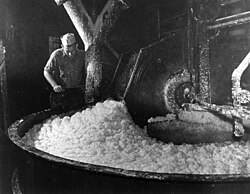
Mechanical pulping uses physical force to separate fibers. Thermomechanical pulp specifically employs heat and mechanical refining. Logs are chipped and subjected to crushing or grinding; the resulting heat and water vapor soften the lignin, allowing fibers to separate. This method boasts a high yield (around 95%), but because the lignin remains, the resulting fibers are rigid.
![Mechanical pulping process[25]](/images/5d/f4/5df43042cf5d969400f93746f3c458b36ede83e23c66c9b517aee0e01642efce.png)
Chemical and Organosolv Pulping
Chemical pulping removes lignin to produce stronger, more flexible fibers. The Kraft process is the most prominent, though sulfite pulping was dominant until the early 20th century. A more modern alternative is Organosolv pulping, which uses organic solvents (such as ethanol or acetic acid) at temperatures above 140°C to break down lignin and hemicellulose into soluble fragments.
Recycled and Non-Wood Pulp
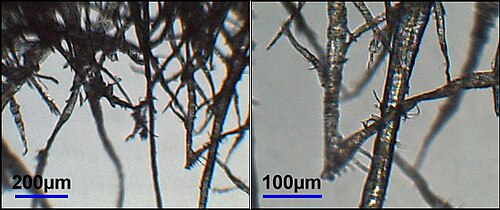
Deinked pulp (DIP) is recovered from waste paper and is frequently used in newsprint and facial tissues. Additionally, non-wood sources like cotton, linen, and abaca are used for specialty art papers and official documents (such as currency and passports) because they have lower lignin content and longer fibers, ensuring long-term durability.
Production and Market Dynamics
The scale of global production is immense. In 2006, wood pulp production reached 175 million tons. The industry distinguishes between integrated production and market pulp—pulp that is produced, dried, and shipped to a separate facility for processing.
Market pulp is typically sold as air dry pulp (approximately 10% moisture) in 250 kg bales. This specific moisture level prevents excessive fiber-to-fiber bonding, making it easier to redisperse the pulp in water. Some producers use flash drying, where pulp is dropped through high-temperature silos to remove moisture rapidly.
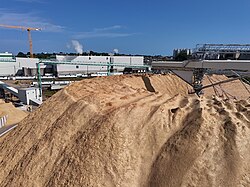
The environmental impact is managed through certifications from bodies such as the Forest Stewardship Council (FSC) and the Sustainable Forestry Initiative (SFI), ensuring that the 16% of pulp coming from plantations and the remainder from managed forests is harvested sustainably.
Comparison of Wood vs. Non-Wood Composition
| Component | Wood Pulp | Non-Wood Pulp |
|---|---|---|
| Carbohydrates | 65–80% | 50–80% |
| Cellulose | 40–45% | 30–45% |
| Hemicellulose | 23–35% | 20–35% |
| Lignin | 20–30% | 10–25% |
| Extractives | 2–5% | 5–15% |
| Proteins | <0.5% | 5–10% |
| Inorganics | 0.1–1% | 0.5–10% |
Frequently Asked Questions
What is the difference between mechanical and chemical pulping?
Mechanical pulping uses physical force and heat to separate fibers, retaining most of the wood's mass (including lignin), which makes it more efficient but results in a weaker, more acidic paper. Chemical pulping uses chemicals to dissolve the lignin, producing stronger, more durable fibers but with a lower yield of material per tree.
Why does newsprint turn yellow over time?
Newsprint is typically made from mechanical pulp, which retains a high amount of lignin. Lignin is unstable and reacts with light and oxygen, leading to acidification and the characteristic browning or embrittlement of the paper.
What is the Kraft process?
The Kraft process is a chemical pulping method that uses a mixture of sodium hydroxide and sodium sulfide to break down lignin. It is the dominant global process because it can handle various wood types and produces exceptionally strong fibers.
How many trees are needed to make paper?
Depending on the process, it takes approximately 24 trees (averaging 12m tall) to produce 0.9 tonne of printing paper via the Kraft process. Mechanical pulping is more efficient, requiring only about 12 trees for the same amount of pulp.
What is market pulp?
Market pulp is pulp that is manufactured in one mill, dried into bales, and sold to other paper mills for final conversion into paper products, rather than being converted into paper at the same facility where it was pulped.