Puerto Deseado: Argentina's Historic Fishing Port and Wildlife Haven
Located on the rugged coast of the Santa Cruz Province, Puerto Deseado is a captivating city and fishing port that serves as the capital of the Deseado Department. Situated on the estuary of the Deseado River, this settlement blends a rich maritime history with a thriving industrial fishing economy and breathtaking natural scenery.
With a population of 16,747 as of the 2022 census, the town is characterized by its unique geography and a legacy of exploration that spans centuries, from the first circumnavigations of the globe to modern-day wildlife conservation.
Key Facts
- Location: Santa Cruz Province, Argentina (47°45′S 65°55′W).
- Economy: Primarily driven by industrial fishing and fish-processing plants.
- Climate: Cold semi-desert (BSk) with mild summers and cold winters.
- Wildlife: Home to Commerson's dolphins, Magellanic penguins, and rockhopper penguins.
- Historical Significance: Named "Port Desire" by English privateer Thomas Cavendish in 1586.
A Legacy of Exploration and Conflict
The harbor, stretching nearly 32 kilometers, was first discovered in 1520 during the Magellan-Elcano expedition, the first voyage to circumnavigate the world. Over the following decades, it attracted various Spanish expeditions, including those led by Loaísa (1525) and Pedro Sarmiento de Gamboa (1579).
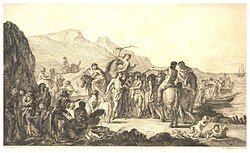
In 1586, the English privateer Thomas Cavendish entered the estuary aboard his flagship, the Desire. He named the harbor "Port Desire" (later translated to Spanish as Puerto Deseado) and established Punta Cavendish at the harbor's mouth. During this visit, the crew encountered the Mapuche Tehuelche people, who defended their land with arrows.
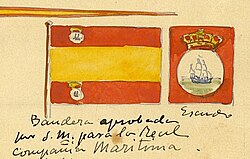
The 18th century saw further strategic attempts to occupy the region. In 1780, Antonio Viedma founded a temporary settlement on the south bank of the river, constructing a fort, hospital, and forge. Later, in 1790, the Real Compañía Marítima (Royal Maritime Company) established a village and fort to serve as a headquarters for fishing posts. This era also saw the shipwreck of the HMS Swift, a British sloop-of-war, which sank on a concealed rock in 1790.
The town's development continued into the 19th century. In 1833, the HMS Beagle stopped at the port with naturalist Charles Darwin on board. The city was formally founded for a third time in 1882 through funding from Hipólito Yrigoyen, providing settlers with tools and farming land to ensure permanent habitation.
Geography, Climate, and Infrastructure
Puerto Deseado is defined by its cold semi-desert climate (BSk). While rainfall is low throughout the year, the area is frequently cloudy, creating weather conditions similar to those of the British Isles. Residents experience mild summers and cold winters, with occasional harsh frosts and extreme summer heat due to continental influences.
Historically, the town was connected to Las Heras and Pico Truncado via a freight railway line until 1976. Today, the city is primarily accessed via a 120-kilometer secondary road that connects it to the national road system.
Climate Summary (1991–2020)
| Metric | Summer (Jan/Feb) | Winter (Jun/Jul) | Annual Average |
|---|---|---|---|
| Mean Daily Max Temp | 22.3°C to 23.4°C | 7.6°C to 8.0°C | 15.9°C |
| Mean Daily Min Temp | 10.2°C to 10.5°C | 0.1°C to 0.8°C | 5.4°C |
| Avg Precipitation | 15.5mm to 21.3mm | 24.6mm to 27.0mm | 227.6mm |
| Sunshine Hours (Daily) | 7.5h to 7.6h | 2.6h to 3.1h | 5.1h |
Economy and Tourism
The local economy is heavily reliant on the industrial fishing sector. Along the Avenida Costanera, several fish-processing plants operate, employing a large portion of the population as crane operators, stevedores, and fish cleaners.
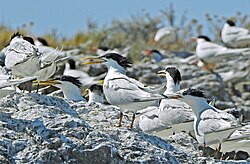
Tourism focuses on the region's spectacular coastal scenery and diverse marine wildlife. Visitors often tour the estuary to spot rockhopper penguins, Magellanic penguins, and the rare Commerson's dolphin.
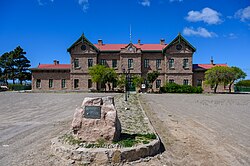
Cultural attractions include two museums: one dedicated to indigenous artifacts and another located on the seafront featuring relics from the HMS Swift, which were recovered after the wreck was rediscovered in 1982.
Cultural Influence
The city's unique atmosphere has inspired various artists. The film Gone Fishing by Carlos Sorín is set almost entirely in Puerto Deseado. In literature, the town serves as the primary setting for Cristian Perfumo's novels The Sunken Secret and The Arrow Collector. Additionally, naturalist Gerald Durrell documented his visit to the area in his 1961 book, The Whispering Land.
Frequently Asked Questions
Who named Puerto Deseado and why?
The harbor was named "Port Desire" by the English privateer Thomas Cavendish in 1586, after his flagship, the Desire. The name was later translated into Spanish as Puerto Deseado.
What is the primary economic activity of the city?
The economy is based on the fishing industry, with numerous fish-processing plants located along the coast and a workforce specialized in industrial fishing operations.
What wildlife can tourists see in Puerto Deseado?
Visitors can observe a variety of marine fauna, including Magellanic and rockhopper penguins, as well as Commerson's dolphins.
What is the significance of the HMS Swift?
The HMS Swift was a British sloop-of-war that shipwrecked on a concealed rock in 1790. Its wreck was discovered in 1982, and recovered relics are now displayed in a seafront museum.
What is the climate like in Puerto Deseado?
It has a cold semi-desert climate (BSk) characterized by low annual rainfall, cloudy skies, mild summers, and cold winters with occasional harsh frosts.