Ushuaia: The Southernmost City in the World
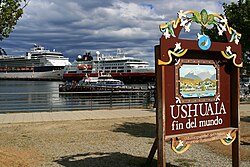
Perched on the edge of the Argentine continent, Ushuaia is a city of dramatic contrasts and extreme geography. Known globally as the "End of the World," its official motto, "Ushuaia, fin del mundo, principio de todo" (Ushuaia, end of the world, beginning of everything), reflects its role as the gateway to Antarctica and the southernmost urban center of its kind. Founded on October 12, 1884, by Augusto Lasserre, the city has evolved from a remote outpost into a vibrant hub of tourism, maritime activity, and natural beauty.
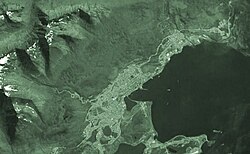
Key Facts
- Location: Tierra del Fuego Province, Argentina.
- Population: 84,378 (2026 Census).
- Geography: The only trans-Andean city in Argentina, located west of the Andes.
- Climate: Subpolar oceanic (ET/Cfc), characterized by cool temperatures and frequent precipitation.
- Key Landmark: The Maritime and Prison Museum of Ushuaia.
- Sister City: Eilat, Israel.
Geography and Climate
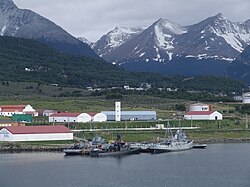
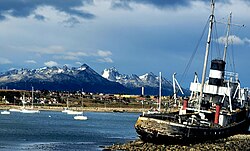
Ushuaia is situated in the Tierra del Fuego department, nestled between the Martial Mountains and the Beagle Channel. Its unique position makes it the only Argentine city located west of the Andes mountain range. Access to the city via National Route N° 3 requires crossing the Garibaldi Pass, a mountain crossing that reaches an elevation of 790 meters above sea level.
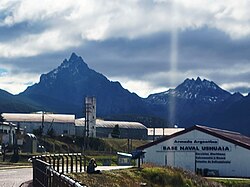
The climate is predominantly cool and humid. With an average annual precipitation of 457.8 mm and approximately 59.5 snowy days per year, the city experiences significant winter weather. Summer temperatures are mild, with mean daily maximums reaching around 13.6°C in January, while winter minimums can drop as low as 0.2°C in July.
History and Culture
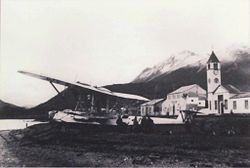
The history of Ushuaia is deeply intertwined with its isolation and its role as a penal colony. The Maritime and Prison Museum preserves the memory of the penitentiary that once served as a symbol of suffering for its inmates. Over time, the city transitioned from a site of incarceration to a center of administration and tourism.
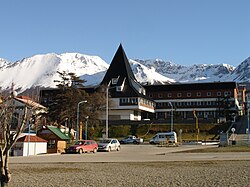
Culturally, the city is a blend of maritime heritage and modern Argentine life. It is served by various media outlets, including LRA 10 Radio Nacional and several local newspapers like El Diario del Fin del Mundo. The city's unique atmosphere has even attracted international cinema; several scenes from the 2015 film The Revenant were filmed in the region between July and November 2014.
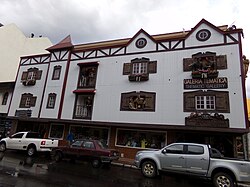
Economy and Tourism
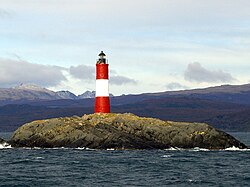
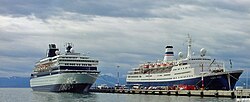
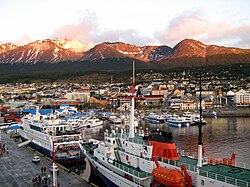
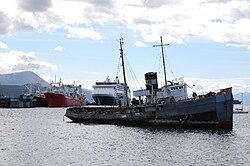
Tourism is a primary driver of the local economy, fueled by the city's status as a cruise ship port. The harbor frequently hosts massive vessels, such as those from Celebrity Cruises and Orient Lines, transporting visitors to the Beagle Channel and Antarctica.
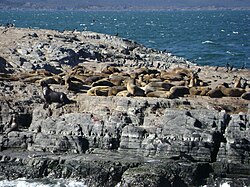
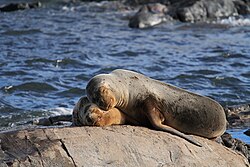
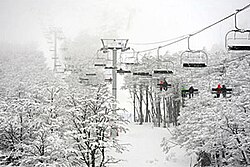
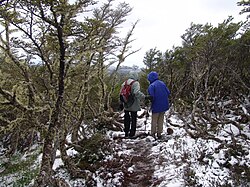
Outdoor recreation is central to the Ushuaia experience. The Cerro Castor Ski Resort is a premier destination for winter sports, while the Andean Club offers trekking opportunities through the rugged landscape. Wildlife enthusiasts often visit the Isla de los Lobos to see seal colonies or Martillo Island to observe penguins.
Infrastructure and Transportation
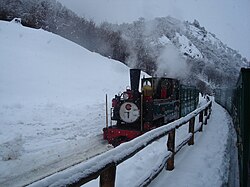
Ushuaia is well-connected by air and sea, though its land connection remains limited by the mountainous terrain. The port serves as a critical maritime link, while the city's airport handles the bulk of international and domestic arrivals. Historically, the Southern Fuegian Railway served as a notable piece of local infrastructure.

City Overview Summary
| Attribute | Detail |
|---|---|
| Founded | October 12, 1884 |
| Founder | Augusto Lasserre |
| Total Area | 23 km² (8.9 sq mi) |
| Elevation | 23 m (75 ft) |
| Population Density | 3,700/km² |
| Time Zone | UTC−3 (ART) |
Frequently Asked Questions
Is Ushuaia the southernmost city in the world?
Ushuaia is widely recognized as the southernmost city in the world, although there have been historical and political discussions regarding the status of Puerto Williams in Chile.
What is the best time to visit for skiing?
The winter months, particularly June through August, are ideal for skiing at the Cerro Castor Ski Resort, as this period sees the highest average of snowy days.
What makes Ushuaia's geography unique in Argentina?
Ushuaia is the only city in Argentina located west of the Andes mountain range, making it a trans-Andean city.
What can visitors see at the Maritime and Prison Museum?
Visitors can explore the history of the former penal colony, which was once a notorious prison, and learn about the maritime history of the region.
What wildlife is common in the area?
The region is home to various marine animals, including sea lions (notably on Isla de los Lobos) and penguins (found on Martillo Island).