Southern Cone: Geography, Culture, and Economic Profile of South America's Tip
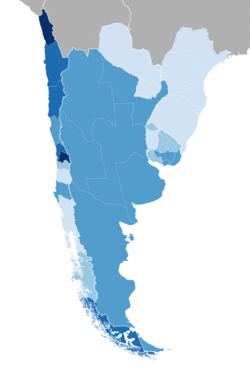
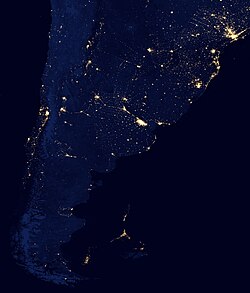
The Southern Cone is a distinct and prosperous region located at the southernmost part of South America. Comprising primarily Argentina, Chile, and Uruguay—and sometimes including Paraguay and specific southern states of Brazil—this region is characterized by its high standards of living, diverse landscapes, and unique cultural tapestry shaped by significant waves of global immigration.
Key Facts
- Core Countries: Argentina, Chile, and Uruguay.
- Total Area: Approximately 5,712,034 km².
- Economic Standing: The most prosperous region in Latin America with very high Human Development Index (HDI) scores.
- Demographics: Strong European influence, particularly from Italian immigration.
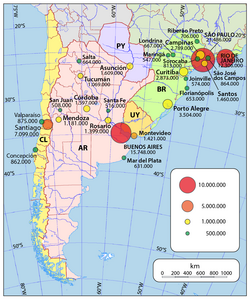
- Major Cities: Buenos Aires, Santiago, and Montevideo.
Geography and Climate
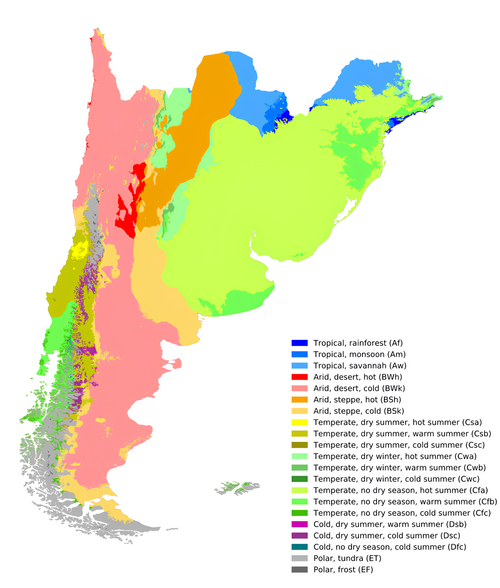
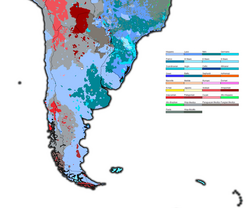
The Southern Cone covers a vast expanse of territory with varied climatic conditions. From the temperate zones of the Atlantic coast to the rugged landscapes of the Andes, the region's geography is as diverse as its population. The climate varies significantly by latitude; for instance, while Buenos Aires experiences warm summers, southern locations like Ushuaia maintain much cooler temperatures year-round.

Climatic Variations
Temperature fluctuations across the region are notable. In Santiago, summer highs can reach 30.1°C (86.2°F), whereas in the southern reaches of Bariloche, winter temperatures can drop below freezing. This variety supports a wide range of ecosystems and agricultural possibilities.
| City | Jan High (°C) | July High (°C) | Oct High (°C) |
|---|---|---|---|
| Buenos Aires | 30.1 | 15.4 | 22.6 |
| Santiago | 30.1 | 14.3 | 22.8 |
| Montevideo | 28.1 | 14.6 | 20.3 |
| Ushuaia | 13.9 | 4.2 | 10.5 |
Demographics and Ethnic Composition
One of the most defining features of the Southern Cone is its ethnic composition. The region has been profoundly shaped by mass immigration from Europe during the late 19th and early 20th centuries. Consequently, people of direct European descent make up a significant portion of the population: 85% in Argentina, 88% in Uruguay, and 65% in Chile.
The Italian Diaspora
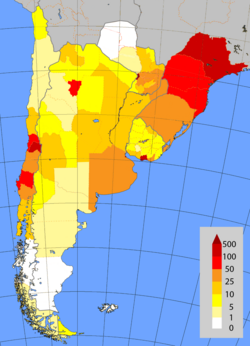
The Italian diaspora is particularly massive in this region. Argentina holds the highest percentage of people with Italian ancestry at 62.5%. In Brazil, the state of São Paulo is home to more people of Italian descent than any region in Italy itself, with approximately 6 million of its 10 million residents possessing Italian ancestry.
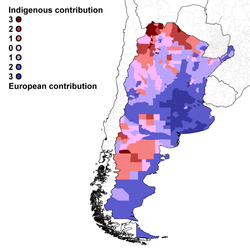
While European influence is dominant, the region also maintains significant Mestizo populations (the majority in Paraguay), Native American communities (such as in Chile's Araucanía region), and smaller populations of African and Asian descent.
Culture and Society
The cultural identity of the Southern Cone is a blend of indigenous roots and European traditions. This is reflected in the languages spoken, which include Spanish, Portuguese, Italian, German, and various indigenous languages like Guaraní, Mapudungun, and Quechuan.

Religion and Secularism
While historically Catholic, the Southern Cone shows a trend toward secularism compared to the rest of Latin America. Uruguay is notable as one of the most secular countries in the Americas, maintaining a strong separation of church and state. In terms of religious significance, Uruguay, Chile, and Argentina report the lowest percentages of residents who consider religion "very important" in their lives.
Social Values
The region has also been a leader in social reform. In recent social surveys, residents of Uruguay (71%), Argentina (68%), and Chile (52%) expressed positive views regarding their countries as good places for LGBTQ+ individuals to live.
Economic Prosperity and Development
The Southern Cone stands out as the most prosperous region in Latin America. This is evidenced by its Human Development Index (HDI), which measures aspects of social and economic development such as education, life expectancy, and per capita income. The HDI scores for Chile, Argentina, and Uruguay are comparable to several European nations.
| Region | GDP per capita (PPP) | HDI | Gini Index (Income Equality) |
|---|---|---|---|
| Southern Cone | $22,493 | 0.820 (VH) | 45.2 |
| South America (Avg) | $11,955 | 0.715 (H) | 47.5 |
| Mexico | $18,714 | 0.774 (H) | 48.1 |
| Brazil | $15,518 | 0.759 (H) | 52.7 |
Note: VH = Very High; H = High.
Frequently Asked Questions
Which countries are part of the Southern Cone?
The core countries included in the definition are Argentina, Chile, and Uruguay. Paraguay and certain Brazilian states like Rio Grande do Sul and São Paulo are sometimes included in broader definitions.
Why is the Italian influence so strong in this region?
Massive waves of Italian immigration occurred between 1880 and 1920 due to social and economic disturbances in Italy. This resulted in the Southern Cone hosting one of the largest Italian diasporas in the world.
How does the economy of the Southern Cone compare to the rest of Latin America?
The Southern Cone is the most prosperous region in Latin America, boasting a higher GDP per capita and higher Human Development Index (HDI) scores than the continental average.
What are the major metropolitan areas in the region?
The largest metropolitan area is Buenos Aires, Argentina, with 13.1 million people. Other major cities include Santiago, Chile (6.4 million) and Montevideo, Uruguay (1.8 million).
Is the Southern Cone a religious region?
While there is a strong Catholic tradition, the region is more secular than many of its neighbors. Uruguay, in particular, is known for its high rates of agnosticism and atheism and a strict separation of church and state.