Prussian Three-Class Franchise: The Weighted Voting System of the Kingdom of Prussia
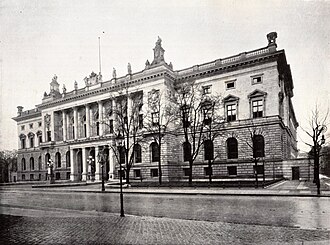
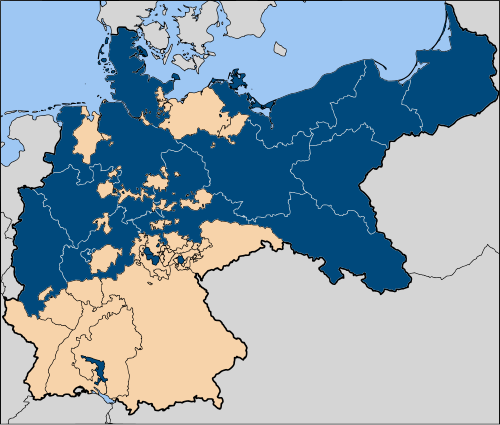
From 1848 until 1918, the Kingdom of Prussia employed a unique and controversial indirect electoral system known as the three-class franchise (Preußisches Dreiklassenwahlrecht). Unlike modern democratic systems based on "one person, one vote," this system apportioned political power based on economic contribution rather than population or geography. While it allowed all adult males to vote—a rarity in Europe at the time—it heavily weighted the influence of the wealthy, creating a political landscape that favored the elite and rural conservatives.
The system was primarily used to elect members of the Prussian House of Representatives and city councils under the Prussian Municipal Code. For decades, it served as a symbol of Prussia's democratic deficits, sparking intense controversy until its eventual abolition during the German Revolution of 1918–1919.
Key Facts
- Duration: In use from 1848 to 1918.
- Mechanism: Voters were divided into three classes based on the amount of taxes paid.
- Weighting: Each class elected an equal number of electors, meaning a vote in the first class was significantly more powerful than one in the third.
- Eligibility: All adult males could vote, regardless of wealth, though their influence varied.
- Outcome: Strongly favored conservative parties and rural interests over urban liberals and socialists.
- Abolition: Ended in November 1918 following Germany's defeat in World War I.
How the Three-Class System Worked
The Division of Classes
The electoral process began by grouping voters in a district into three classes. The total tax payments in each class had to be equal. Those who paid the highest taxes formed the first class, the next highest formed the second class, and those who paid the least fell into the third class.
Because tax levels varied wildly between districts, the "cutoff" for each class differed. In some poor districts, a very small tax payment could grant entry into the first class. Conversely, in wealthy areas like Berlin's Voßstrasse, the requirements were much higher. This meant that even high-ranking officials sometimes found themselves voting in the third class if they lived in a high-tax district.
The Indirect Election Process
The system was indirect, meaning citizens did not vote for their representatives directly. Instead, the process happened in two stages:
- Primary Election: Voters in each of the three classes separately elected one-third of the electors.
- Secondary Election: These electors then gathered to vote for the actual representatives of the constituency.
Crucially, voting was not secret, which often deterred voters from casting ballots against the interests of their social or economic superiors.
Impact on Political Representation
Favoring the Conservatives
The three-class franchise created a massive discrepancy between the popular vote and the actual seats won. By 1913, the German Conservative Party held 33.6% of the seats despite receiving only 14.8% of the primary electorate votes. In stark contrast, the Social Democratic Party of Germany (SPD) received 28.4% of the votes but secured only 2.3% of the seats.
Voter Turnout and the "Economy of Abstention"
Turnout was significantly lower than in the elections for the German Reichstag, which used a more egalitarian system. In 1913, Prussian state election turnout was only 32.7%, compared to 84.5% for the Reichstag. This was due to several factors: elections were held on weekdays, polling stations were often far away in rural areas, and the lack of secrecy created fear of retaliation.
Historian Thomas Kühne describes this as an "economy of abstention," suggesting that in many districts, the outcome was so predetermined that only a few loyalists needed to vote to secure the result.
Regional Distribution of Power
The following table illustrates the distribution of representatives across various Prussian provinces, highlighting the concentration of power.
| Province | First Class | Second Class | Third Class | Total |
|---|---|---|---|---|
| City district Berlin | 2,739 | 445 | 44 | 124 |
| Rhine Province | 733 | 170 | 24 | 67 |
| Saxony | 724 | 181 | 21 | 59 |
| Posen | 395 | 83 | 11 | 32 |
| Total Prussia | 671 | 165 | 21 | 59 |
Historical Assessment and Abolition
While often viewed as a symbol of oppression, some historians note that the system was considered progressive by contemporaries like John Stuart Mill and Alexis de Tocqueville. This is because it was based on taxes rather than land ownership and granted all adult males a vote, whereas many other European nations still had strict property requirements.
However, the lack of a secret ballot made it less democratic than almost every other German state. The system finally collapsed in November 1918. The Council of the People's Deputies proclaimed universal democratic suffrage, abolishing the three-class franchise and introducing women's suffrage across Germany.
Frequently Asked Questions
How did the three-class franchise differ from the Reichstag elections?
The Reichstag elections used a general, equal, secret, and direct suffrage for men. In contrast, the Prussian state elections were indirect, non-secret, and weighted based on tax payments, giving the wealthy far more influence.
Could a poor person still vote under this system?
Yes. One of the unique aspects of the Prussian system was that all adult males were eligible to vote. However, those who paid the least in taxes were placed in the third class, where their individual vote had significantly less impact on the final outcome.
Why was the system considered to favor rural areas?
The system tended to favor conservatives and rural landowners. Because tax cutoffs were lower in the countryside, it was often easier for rural conservatives to maintain control over the first and second classes compared to the more politically diverse and populous cities.
What led to the final abolition of the three-class franchise?
The system was abolished during the German Revolution of 1918–1919. Following Germany's defeat in World War I and the fall of the Hohenzollern monarchy, the interim government established universal democratic suffrage for all citizens, including women.