ProtestantismProtestant ReformationMartin LutherFive SolaeLutheranism

Protestantism: History, Theology, and the Evolution of the Reformation

Protestantism: History, Theology, and the Evolution of the Reformation Protestantism is a major branch of Christianity that emerged from the Protestant Reformation of the 16th century. It...

Protestantism: History, Theology, and the Evolution of the Reformation

Protestantism is a major branch of Christianity that emerged from the Protestant Reformation of the 16th century. It began as a movement to reform the Catholic Church, addressing perceived errors, abuses, and discrepancies in ecclesiastical practice. At its core, Protestantism shifts the focus of salvation from institutional mediation to a direct relationship between the individual and God, grounded in faith and the authority of scripture.

The movement was sparked in 1517 in the Holy Roman Empire when Martin Luther published his Ninety-five Theses. Luther specifically targeted the sale of indulgences—payments made to the church to remit temporal punishment for sins—arguing that salvation is a gift of divine grace rather than something that can be purchased or earned.
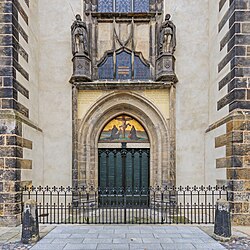
The door to All Saints' Church in Wittenberg, where Martin Luther posted his Ninety-five Theses in 1517 detailing his concerns with what he saw as the Catholic Church's abuse and corruption. The original door was destroyed by a fire, and in 1857, King Frederick William IV of Prussia ordered that a replacement be made.

Key Facts

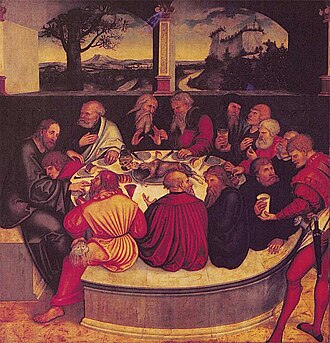
A 1547 Lutheran depiction of the Last Supper by Lucas Cranach the Elder
  • Origin: Started in 1517 with Martin Luther's Ninety-five Theses in Wittenberg.
  • Core Authority: The Bible is viewed as the sole infallible source of faith and practice.
  • Salvation: Emphasizes justification by faith alone and unmerited divine grace.
  • Priesthood: Advocates for the "priesthood of all believers," reducing the need for a clerical mediator.
  • Diversity: Has evolved into numerous denominations, including Lutheran, Reformed, Anglican, and Baptist.

Core Theological Tenets
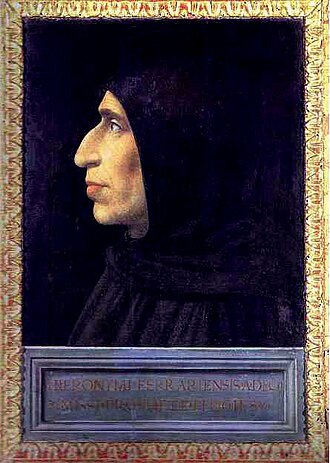
Girolamo Savonarola
Girolamo Savonarola

Mainstream Protestant theology is summarized by the Five Solae (Latin for "alone"), which establish the boundaries of faith and salvation:

  • Sola Scriptura: Scripture alone is the final authority.
  • Sola Fide: Justification is by faith alone.
  • Sola Gratia: Salvation is through grace alone.
  • Solus Christus: Christ alone is the savior.
  • Soli Deo Gloria: Glory to God alone.

Despite these distinctions, Protestants maintain the belief in the Trinity—the doctrine that God exists as one God in three persons: the Father, the Son (Jesus), and the Holy Spirit.
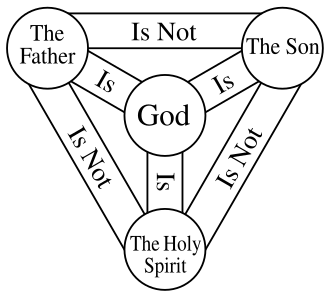
The Trinity is the belief that God is one God in three persons: the Father, the Son (Jesus), and the Holy Spirit.

The Universal Priesthood of Believers

A revolutionary concept of the Reformation was the priesthood of all believers. This teaching suggests that every Christian has direct access to God through prayer and scripture, removing the necessity of the Catholic Church acting as the sole negotiator between humanity and the divine.

Historical Evolution
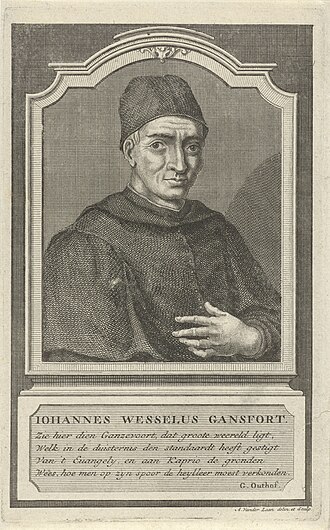
Wessel Gansfort
Wessel Gansfort

Pre-Reformation and the Early Spark

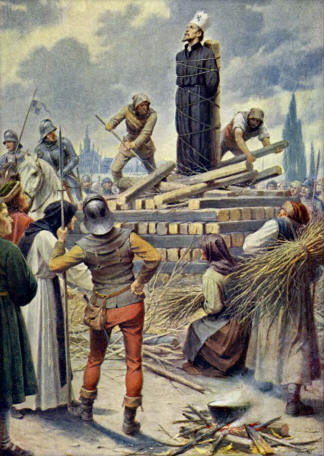
While Luther is the primary catalyst, the desire for reform existed earlier. Figures such as Jan Hus and the Lollard movement in England and Scotland laid the groundwork by questioning church authority and emphasizing biblical primacy.
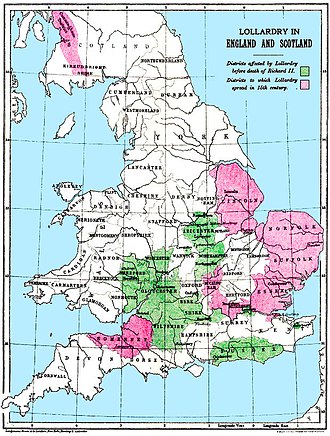
Spread of Lollardy in Medieval England and Medieval Scotland

The execution of Jan Hus in 1415

The Reformation and Counter-Reformation

The Reformation expanded rapidly across Europe, leading to the establishment of various traditions. From 1545 to 1620, the movement reached its peak, prompting the Catholic Church to launch the Counter-Reformation (or Catholic Reformation) to address internal corruption and combat the spread of Protestant ideas. This era of religious upheaval largely concluded with the Peace of Westphalia in 1648.
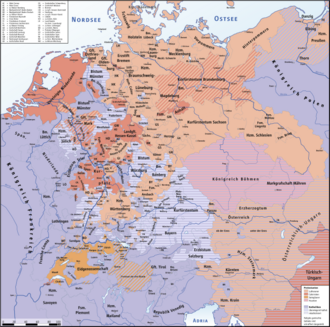
Distribution of Protestantism and Catholicism in Central Europe on the eve of the Thirty Years' War in 1618

The Radical Reformation and Post-Reformation

Beyond the mainstream movements, the Radical Reformation emerged, including groups like the Anabaptists who believed baptism should only be performed for professing believers. Later developments included the Second Great Awakening in the United States, which fueled the growth of Methodism and evangelicalism.
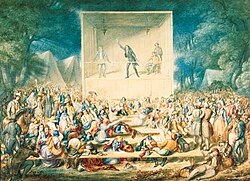
An 1839 Methodist camp meeting during the Second Great Awakening in the U.S.

Major Branches and Denominations

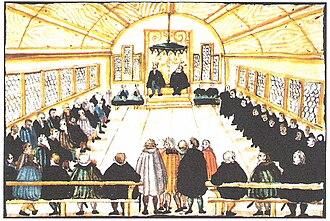
Dissatisfaction with the outcome of a disputation in 1525 prompted Swiss Brethren to part ways with Huldrych Zwingli.

Protestantism is not a monolithic entity but a diverse family of traditions. The following table summarizes the primary branches:

Major Branches of Protestantism
Branch Key Figures/Influences Distinctive Characteristics
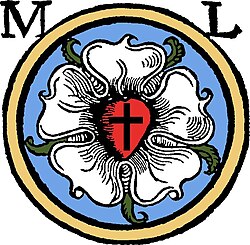
Lutheranism Martin Luther Emphasis on justification by faith; use of the rose seal symbol.
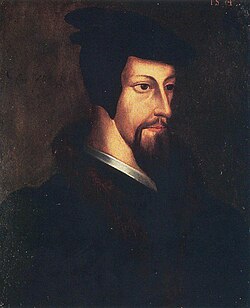
Calvinism (Reformed) John Calvin Strong focus on the sovereignty of God and predestination.
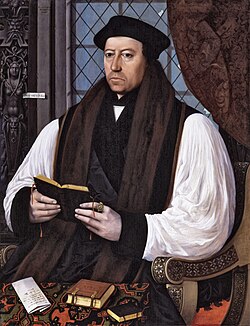
Anglicanism Thomas Cranmer A "middle way" between Catholicism and Protestantism; state church of England.
Methodism John Wesley Emphasis on holiness, social justice, and open-air preaching.
Anabaptism/Baptists Various Believer's baptism; separation of church and state.
Quakerism George Fox Focus on the "Inner Light" and peaceful dissent.

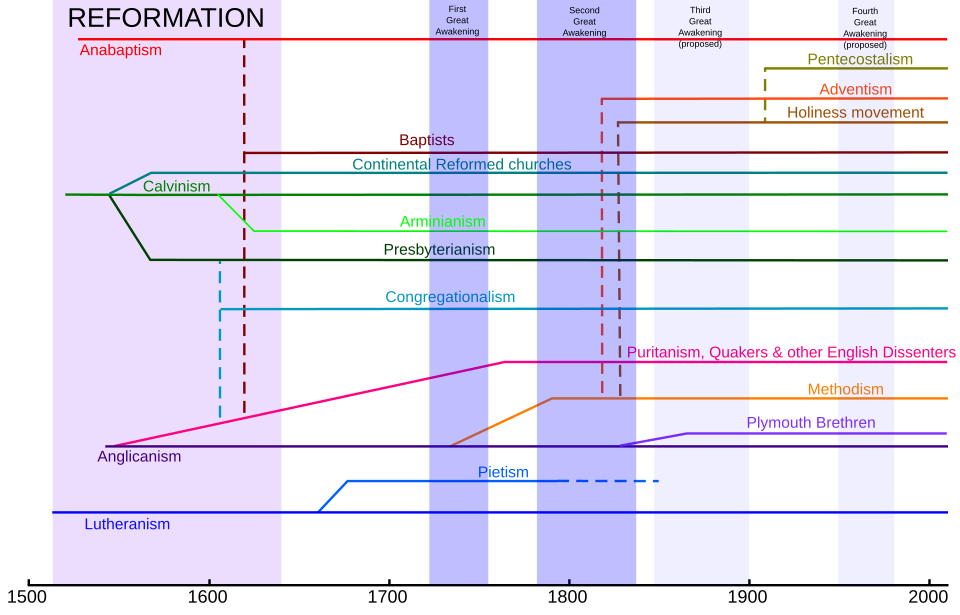
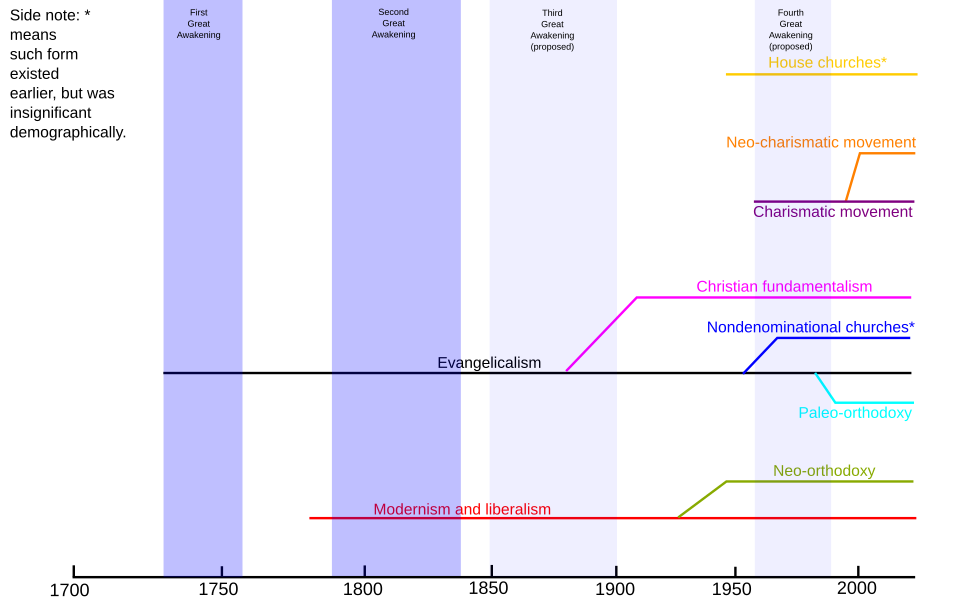
Historical chart of the main branches of Protestantism

Interdenominational and Modern Movements

In more recent centuries, movements such as Evangelicalism and the Charismatic movement have transcended specific denominations. These focus on a personal conversion experience and the active role of the Holy Spirit, often manifesting in megachurches and global revivalism.
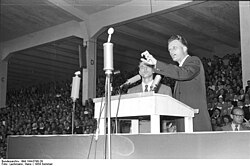
Billy Graham, a prominent evangelical revivalist, preaching in Duisburg, Germany, in 1954

Cultural and Societal Impact

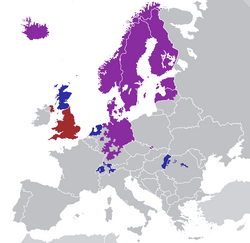
Map of Protestant Christianity in Europe by main denomination.

Protestantism influenced more than just religion; it shaped modern governance and economics. Philosophers like John Locke argued for individual conscience and freedom from state control, which influenced the Founding Fathers of the United States. Additionally, sociologists like Max Weber explored the "Protestant Ethic," suggesting a link between Protestant values and the development of modern capitalism.
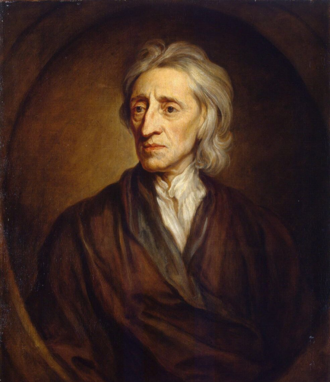
Enlightenment philosopher John Locke argued for individual conscience, free from state control and helped influence the political ideology of Thomas Jefferson and other Founding Fathers of the United States.

Frequently Asked Questions
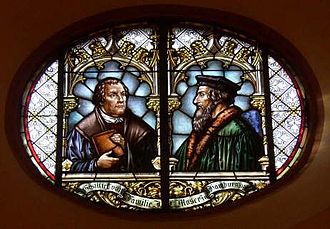
Glass window in the town church of Wiesloch featuring Martin Luther and John Calvin commemorating the 1821 union of Lutheran and Reformed churches in the Grand Duchy of Baden
Luther's rose seal, a symbol of Lutheranism
Thomas Cranmer, one of the most influential figures in shaping Anglican theology and self-identity
John Calvin's theological thought influenced a variety of Congregational, Continental Reformed, United, Presbyterian, and other Reformed churches.
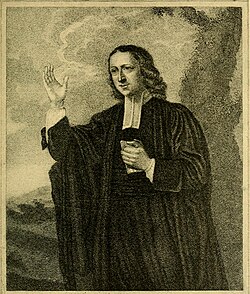
John Wesley, founder of Methodism, preaching in the open air
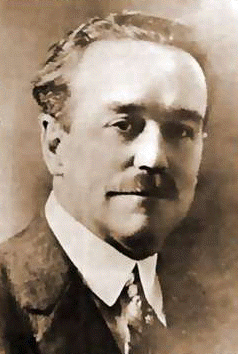
Charles Fox Parham, who associated glossolalia with the baptism in the Holy Spirit
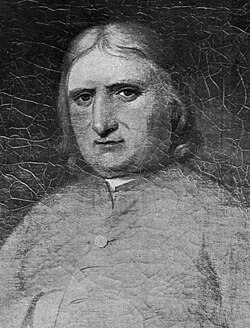
George Fox was an English dissenter and a founder of the Religious Society of Friends, commonly known as the Quakers or Friends.
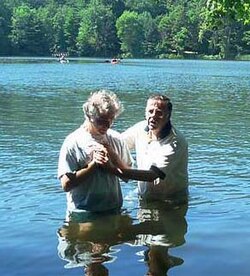
Baptists subscribe to a doctrine that baptism should be performed only for professing believers.
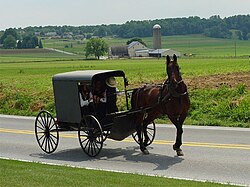
An Amish family in a horse-drawn square buggy in Lancaster County, Pennsylvania, United States
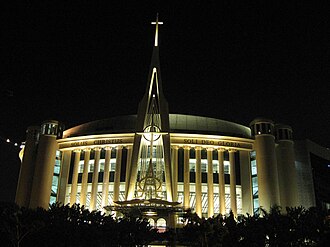
An Indonesian Reformed Evangelical Church megachurch
Links between interdenominational movements and other developments within Protestantism
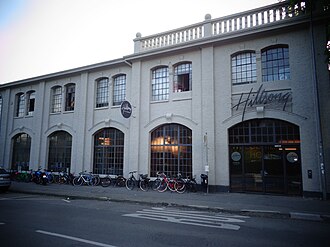
Hillsong Church, an evangelical charismatic church, in Konstanz, Germany
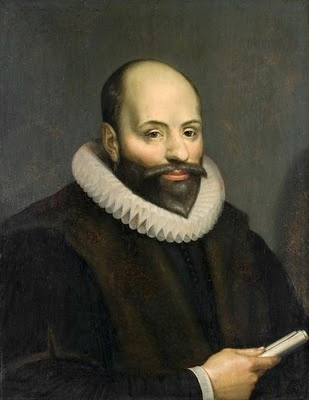
Jacobus Arminius, a Dutch Reformed Church theologian, whose views influenced parts of Protestantism. A small Remonstrants community remains in the Netherlands.
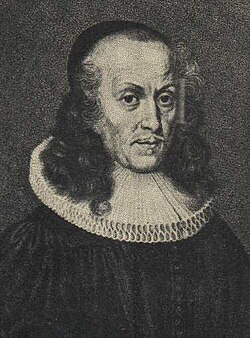
Philipp Jakob Spener, a German pioneer and founder of Pietism
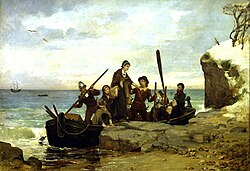
Pilgrims landing at Plymouth Rock in Plymouth, Massachusetts, in 1620
Karl Barth, often regarded as the greatest Protestant theologian of the 20th century[198][199]
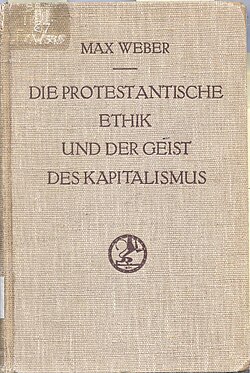
Max Weber's The Protestant Ethic and the Spirit of Capitalism
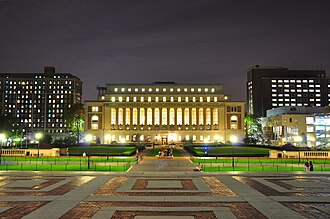
Columbia University, an Ivy League university in New York City, was initially established by the Church of England.
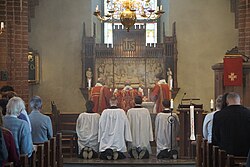
Evangelical-Lutheran priests of the Church of Sweden at the altar during High Mass at Holy Trinity Church in Uppsala on the Feast Day of the Apostles Philip and James the Less, with acolytes kneeling during the consecration
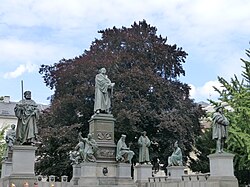
Luther Monument in Worms, which features some of the Reformation's crucial figures
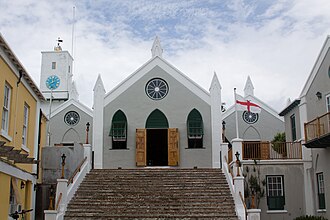
St. Peter's Church in Bermuda, built in 1612, is the oldest surviving Protestant church in the "New World", including the Americas and certain Atlantic Ocean islands. It was the first of nine Parish churches established in Bermuda by the Church of England. Bermuda also has the oldest Presbyterian church outside the British Isles, the Church of Scotland's Christ Church (1719).

What is the difference between the Catholic Church and Protestantism?

The primary differences lie in authority and salvation. While the Catholic Church emphasizes the authority of the Pope and sacred tradition alongside the Bible, Protestants hold Sola Scriptura (the Bible alone) as the final authority. Additionally, Protestants emphasize salvation through faith alone rather than a combination of faith and works.

What are the Five Solae?

The Five Solae are the core theological pillars of Protestantism: Sola Scriptura (Scripture alone), Sola Fide (Faith alone), Sola Gratia (Grace alone), Solus Christus (Christ alone), and Soli Deo Gloria (Glory to God alone).

Who was Martin Luther?

Martin Luther was a German monk and theologian who initiated the Protestant Reformation in 1517 by posting his Ninety-five Theses, which challenged the Catholic Church's sale of indulgences and its role as the sole mediator between God and man.

What is the "priesthood of all believers"?

This is the belief that all baptized Christians have direct access to God and can interpret the Bible for themselves, meaning they do not require a priest to act as an intermediary for forgiveness or spiritual guidance.

What is the difference between Lutheranism and Calvinism?

While both are products of the Reformation, they differ on specific points of theology. Lutheranism focuses heavily on the promise of grace and justification by faith, while Calvinism (Reformed Christianity) places a stronger emphasis on the absolute sovereignty of God and the doctrine of predestination.