The Reformation: The Movement That Reshaped Western Christianity
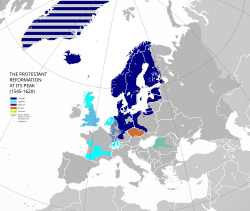
The Reformation, also known as the Protestant Reformation or the European Reformation, was a seismic theological movement in 16th-century Western Christianity. It emerged as a direct challenge to the papacy and the established authority of the Catholic Church hierarchy, ultimately marking the birth of Protestantism. Occurring toward the end of the Renaissance, this era is widely regarded by historians as a pivotal transition, signaling the end of the Middle Ages and the dawn of the early modern period in Europe.
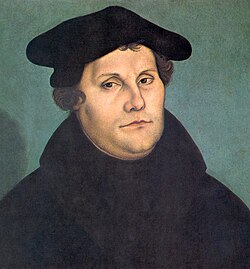
While the movement is traditionally dated to 1517 with Martin Luther's publication of the Ninety-five Theses, it was not an isolated event. It was preceded by various reform movements within Western Christianity and evolved into a complex web of religious and political conflicts that redrew the map of Europe.
Key Facts
- Start Date: Traditionally 1517, triggered by Martin Luther's Ninety-five Theses.
- Core Theological Shift: A move toward justification by faith alone, rather than a combination of faith and charitable acts.
- Major Branches: Lutheranism, Anglicanism, and the Reformed tradition (including Calvinism).
- Key Figures: Martin Luther, John Calvin, Huldrych Zwingli, and King Henry VIII.
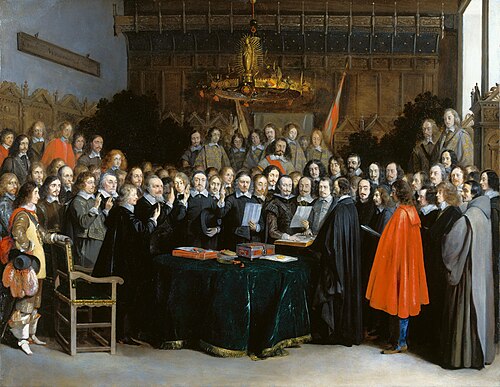
- Defining End Point: Often associated with the Peace of Westphalia in 1648.
Theological Foundations and the "Three Solae"
At the heart of the Reformation was a fundamental disagreement over how a person achieves salvation. The Reformers argued that justification—the act of being made righteous before God—was based on faith in Jesus Christ alone. In contrast, the Catholic view emphasized both faith and the performance of charitable acts.
For Lutherans, Anglicans, and the Reformed, good works were not the cause of salvation but the fruit of a living faith, part of a process known as sanctification. These shared beliefs are often summarized as the "three solae," though Protestant denominations continued to diverge on other issues. For example, Lutherans believe in the corporeal (physical) presence of Christ in the Eucharist, while the Reformed tradition views this presence as spiritual.
The Spread of Reform and Radical Alternatives
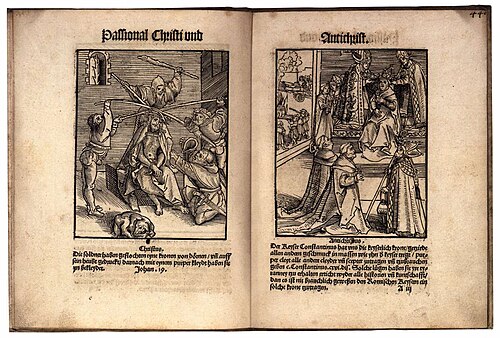
The rapid spread of Reformation ideas was fueled by the invention of the printing press, which allowed treatises and translated Bibles to reach a mass audience. Martin Luther's translation of the Bible into High German not only spread his theology but helped establish modern Standard High German.
![Modern High German translation of the Christian Bible by the Protestant reformer Martin Luther (1534).[483] The widespread popularity of the Bible translated into High German by Luther helped establish modern Standard High German.[483]](/images/18/97/18979bcfacc2f0eb6b4c94739e9a15c05a20b3de82602463161e6d752b78a950.jpg)
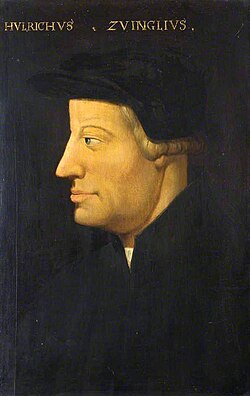
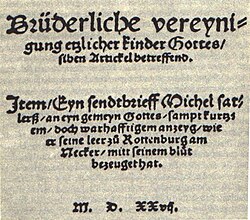
As the movement grew, it branched into various directions. While the "Princely Reformation" in Germany saw nobility adopt Lutheranism for political and spiritual reasons, other figures like Huldrych Zwingli in Switzerland pushed for different interpretations. More radical groups emerged, such as the Anabaptists, who passed the Schleitheim Articles in 1527, advocating for pacifism and a complete separation from state-controlled churches.
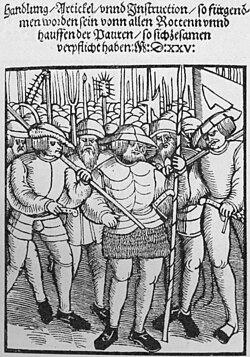
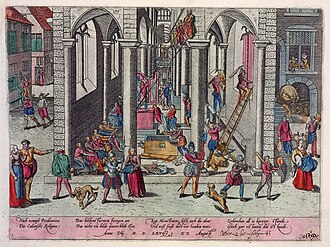
This religious upheaval often spilled over into social unrest, most notably during the Peasants' War, where economic grievances merged with religious fervor.
The Catholic Response and the Counter-Reformation
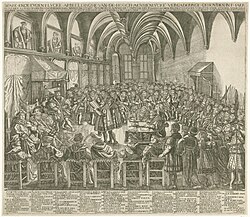
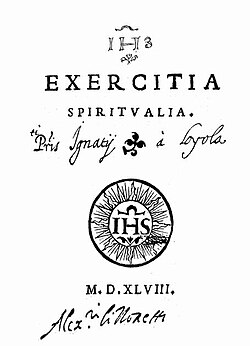
The Catholic Church did not remain passive. Through the Council of Trent and the establishment of new religious orders, the Church initiated its own internal reforms and a concerted effort to stop the spread of Protestantism. This period of Catholic renewal is often termed the Counter-Reformation.
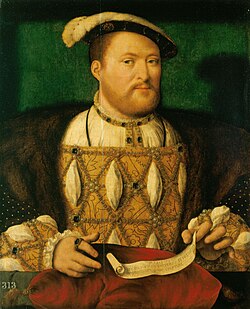
In England, the Reformation took a unique political turn under King Henry VIII, who broke away from the authority of the Pope to establish the Church of England, blending Catholic ritual with Protestant theology.
Conflict, War, and the Peace of Westphalia
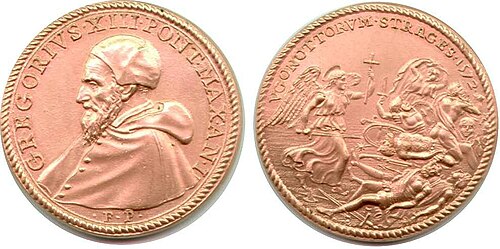
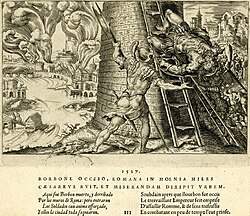
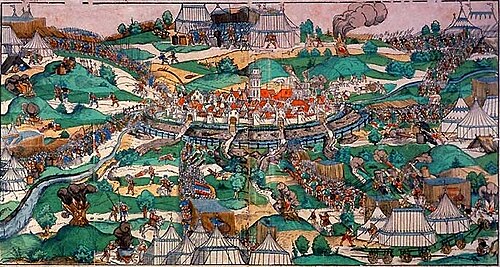
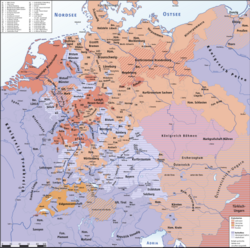
The 16th and 17th centuries were marred by violent religious conflicts, including the Schmalkaldic Wars in Germany, the French Wars of Religion (marked by events like the St. Bartholomew's Day massacre), and the revolt in the Netherlands.
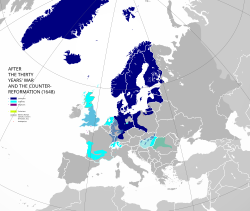
The culmination of these tensions was the Thirty Years' War (1618–1648), a devastating conflict that ravaged Central Europe. The war ended with the Peace of Westphalia, which provided a legal framework for the coexistence of Catholicism, Lutheranism, and Calvinism, significantly reducing the need for "Crypto-Calvinism" (the practice of hiding one's Calvinist beliefs).
Legacy and Long-term Impact

The Reformation's impact extended far beyond the church pews, influencing literacy, economics, and the structure of the modern state. The emphasis on reading the Bible personally led to higher literacy rates across Protestant regions. Some historians also point to the "Protestant ethic" as a contributing factor to early economic development in Northern Europe.
| Tradition | Key Figure | Core Distinction | Primary Region |
|---|---|---|---|
| Lutheranism | Martin Luther | Corporeal presence in Eucharist; Justification by faith | Germany, Scandinavia |
| Calvinism | John Calvin | Double predestination; Spiritual presence in Eucharist | Switzerland, Scotland, Netherlands |
| Anglicanism | Henry VIII | State-led break from Papal authority; Via Media | England |
| Anabaptism | Various | Adult baptism; Pacifism; Separation of church and state | Central Europe |
Frequently Asked Questions
When did the Reformation officially begin?
The Reformation is generally dated to 1517, when Martin Luther published his Ninety-five Theses, though earlier dissident movements had already laid the groundwork.
What is the difference between justification and sanctification in Protestant theology?
Justification is the act of being declared righteous by faith in Christ alone. Sanctification is the subsequent process of living out that faith through good works, which are seen as the result, not the cause, of salvation.
How did the printing press help the Reformation?
The printing press allowed the rapid mass-production of Reformist treatises and Bibles translated into common languages, making religious texts accessible to the general public rather than just the clergy.
What was the significance of the Peace of Westphalia?
The 1648 Peace of Westphalia ended the Thirty Years' War and legally recognized Calvinism alongside Lutheranism and Catholicism, establishing a precedent for religious pluralism in Europe.
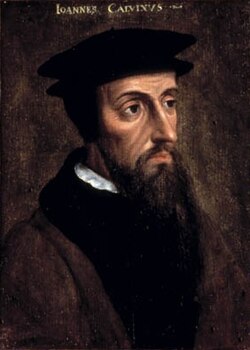
Who was John Calvin and what was his main contribution?
John Calvin was a French theologian who authored the Institutes of the Christian Religion. He is best known for his teachings on the sovereignty of God and the doctrine of double predestination.