Catholic Church
The Catholic Church is a global Christian institution with a history spanning two millennia. Founded on the sacred tradition of the teachings of Jesus Christ, it has evolved from a small community in the 1st-century Roman Empire into the world's largest Christian body. Today, it operates as a complex global organization centered in Vatican City, blending spiritual leadership with a structured administrative hierarchy.
The term "Catholic Church," meaning "universal church," was first used by Saint Ignatius of Antioch in his Letter to the Smyrnaeans around 110 AD. Ignatius is also credited with the first recorded use of the term "Christianity" approximately ten years earlier, in 100 AD.
![The first use of the term "Catholic Church", meaning "universal church", was by the Church Father Saint Ignatius of Antioch in his Letter to the Smyrnaeans in c. 110 AD.[17] Ignatius of Antioch also is credited with the first recorded use of the term Christianity ten years earlier, in c. 100 AD.[18] He died in Rome, with his relics located in San Clemente al Laterano.](/images/e9/5c/e95c4cac78b9467799a496c6e01b369f7ba35ffef9f759f585037ae46ac8c0e4.jpg)
Key Facts
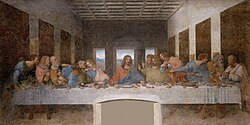
- Global Membership: Estimated between 1.279 billion (World Christian Database, 2026) and 1.406 billion (Annuario Pontificio, 2023).
- Leadership: Led by the Pope, who serves as the Bishop of Rome and the sovereign of Vatican City.
- Current Pope: Pope Leo XIV, elected in the 2025 papal conclave.
- Global Reach: The largest concentration of members is in the Americas (47.8%), followed by Europe (20.4%) and Africa (20.0%).
- Social Infrastructure: Operates approximately 5,500 hospitals, 18,000 clinics, 16,000 nursing homes, and over 139,000 primary and secondary schools.
History and Evolution
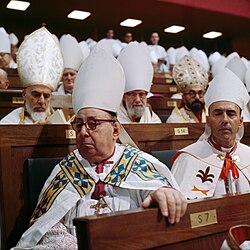
Apostolic Era and Antiquity
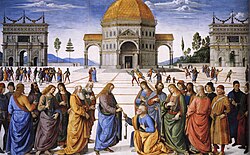
The Church traces its origins to the 1st century. Central to its identity is the papacy, rooted in the belief that Jesus gave the keys of heaven to Saint Peter, establishing a line of apostolic succession.
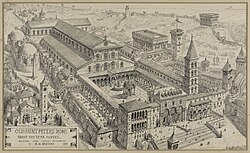
During the Roman Empire, the Church grew from a persecuted minority to a recognized institution. A pivotal moment occurred in 318 AD with the construction of Old St. Peter's Basilica by Constantine the Great.
Middle Ages to the Modern Era
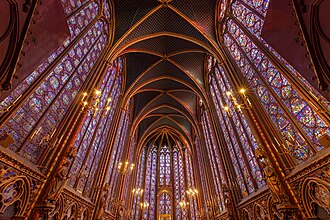
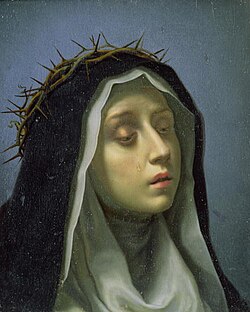
The Middle Ages saw the rise of Gothic architecture, with magnificent structures like the Sainte-Chapelle in Paris (completed 1248) serving as centers of worship. The Church also navigated internal crises, such as the Great Western Schism, which was helped to be healed by figures like the 14th-century mystic Saint Catherine of Siena.
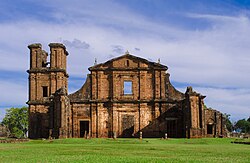
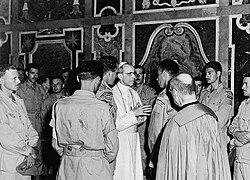
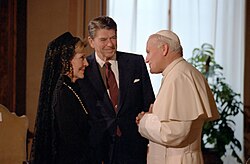
The Age of Discovery expanded the Church's reach globally, exemplified by Jesuit missions in regions such as Brazil. In the 20th century, the Church played significant roles in global politics, including the liberation of Rome during World War II and the contributions of Pope John Paul II and U.S. President Ronald Reagan toward the fall of communism and the end of the Cold War in 1991.
Organization and Governance
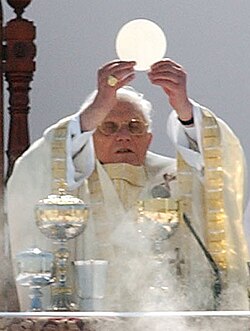
The Holy See and Papacy
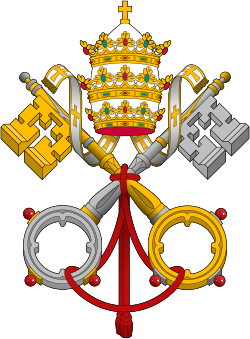
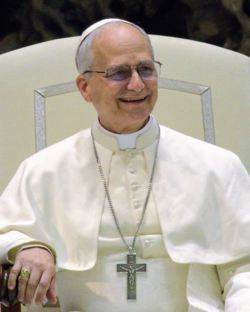
The Holy See is the central governing body of the Catholic Church, supported by the Roman Curia. The Pope holds a triple symbolic power: as the "father of kings," "governor of the world," and "Vicar of Christ." This sovereignty is represented by the papal tiara and the crossed keys of Simon Peter.
Ecclesiastical Structure
The Church is organized into an episcopal polity. It consists of 24 particular churches sui iuris (independent churches), including 23 Eastern Catholic Churches in full communion with the Pope. The administrative hierarchy includes 640 archdioceses and 2,851 dioceses.
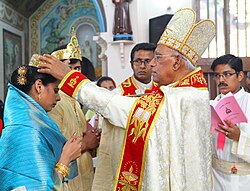
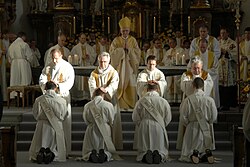
The clergy is composed of bishops, priests, and deacons. As of 2023, there were 5,430 bishops, 406,996 priests, and 51,433 deacons.
Core Doctrines and Beliefs
The Nature of God and the Trinity
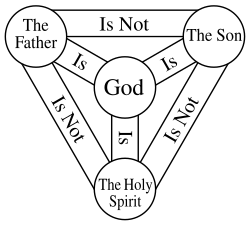
Catholic theology emphasizes the doctrine of the Trinity—the belief in one God in three divine persons. This is often represented by the Shield of the Trinity diagram.
Marian Devotion and Saints
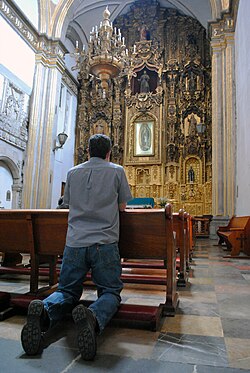
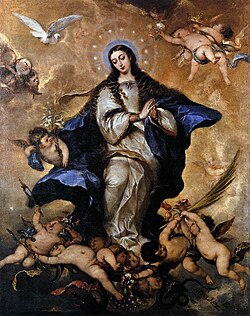
The Blessed Virgin Mary is highly regarded as the Mother of God, an intercessor, and one free from original sin. The Church also venerates saints who serve as models of faith and holiness.
The Seven Sacraments
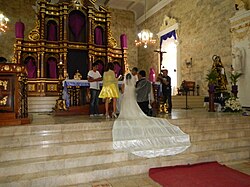
Sacraments are central liturgical rites that convey divine grace. They are divided into three categories:
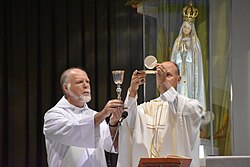
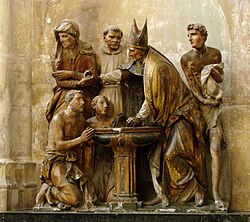
- Sacraments of Initiation: Baptism, Confirmation, and the Eucharist (the consecration of bread and wine into the Body and Blood of Christ).
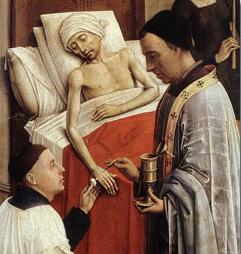
- Sacraments of Healing: Penance and Anointing of the Sick (Extreme Unction).
- Sacraments at the Service of Communion: Holy Orders and Matrimony.
Social and Moral Teachings
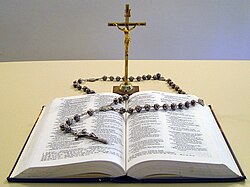
The Church provides guidance on a wide array of moral and cultural issues through encyclicals and the Catechism. Key areas of focus include:
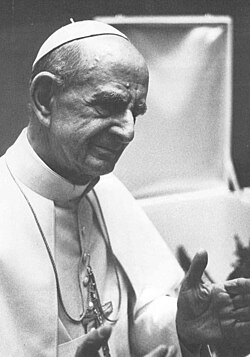
- Sexual Morality: Emphasis on chastity, the sanctity of marriage, and the opposition to contraception and abortion, as highlighted in Pope Paul VI's Humanae vitae (1968).
- Human Rights: Opposition to the death penalty and euthanasia.
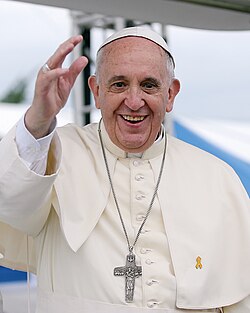
- Environmental Stewardship: Pope Francis's 2015 encyclical Laudato si' addresses consumerism and environmental degradation.
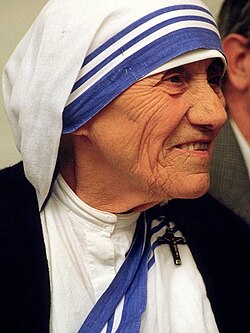
- Works of Mercy: Practicing corporal works of mercy to aid the poor and sick, a mission exemplified by Saint Teresa of Calcutta.
| Category | Detail/Value |
|---|---|
| Total Members | 1.279 - 1.406 Billion |
| Headquarters | Vatican City |
| Primary Regions | Americas (47.8%), Europe (20.4%), Africa (20.0%) |
| Healthcare Facilities | 5,500 Hospitals, 18,000 Clinics |
| Educational Institutions | 95,200 Primary, 43,800 Secondary Schools |
| Governance Style | Episcopal |
Frequently Asked Questions
Who is the current leader of the Catholic Church?
The current leader is Pope Leo XIV, who was elected in the 2025 papal conclave. He serves as the Bishop of Rome and the sovereign of Vatican City.
What are the Seven Sacraments?
The Seven Sacraments are Baptism, Confirmation, Eucharist, Penance, Anointing of the Sick, Holy Orders, and Matrimony. They are central to the Church's mission and the spiritual life of its members.
What is the difference between the Latin and Eastern rites?
The Catholic Church comprises both Western (Latin) and Eastern rites. While they are in full communion with the Pope, they maintain distinct liturgical traditions and practices.
What is the purpose of an encyclical?
An encyclical is a papal letter sent to the bishops and the faithful to address specific theological, moral, or social issues, such as Laudato si', which focuses on the environment.
How is the Catholic Church organized globally?
The Church is organized into 24 particular churches sui iuris, with a hierarchy consisting of the Pope, the College of Cardinals, bishops (overseeing archdioceses and dioceses), priests, and deacons.