Privateering: The Legalized Commerce Raiding of the High Seas
For centuries, the boundary between a naval hero and a criminal was often defined by a single piece of parchment. While piracy was an act of lawless theft, privateering was a state-sanctioned form of commerce raiding. Privateers were private individuals or vessel owners authorized by a government to attack and capture enemy shipping during times of war.
This practice allowed sovereigns to expand their naval reach without the massive expense of building and maintaining a permanent state navy. By mobilizing privately owned armed ships and sailors, nations could disrupt enemy trade and weaken their opponents' economies at a relatively low cost to the treasury.
Key Facts
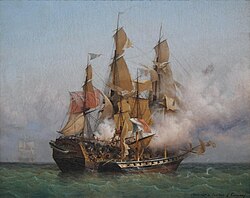
- Letters of Marque: Official government commissions that legalized the attack of foreign vessels.
- Prize Law: The legal framework used to condemn captured ships and distribute the proceeds among sponsors, captains, and crew.
- Economic Incentive: Privateering offered significantly higher potential profits than standard merchant seafaring or fishing.
- Legal Distinction: Unlike pirates, privateers operated under a commission; however, raiding after a treaty was signed could lead to piracy charges.
- Abolition: The practice was largely ended by the 1856 Declaration of Paris.
The Legal Framework: Privateers vs. Pirates
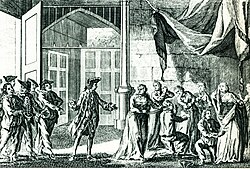
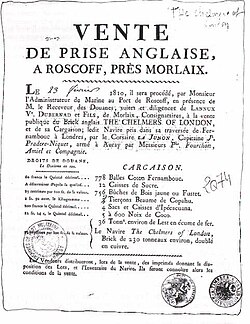
The primary difference between a privateer and a pirate was the letter of marque. This commission empowered the holder to engage in hostilities permissible by the usages of war, including taking foreign vessels as prizes and capturing crews for exchange.
In British law, the Offences at Sea Act 1536 initially classified piracy—raiding without a commission—as treason. However, by the late 17th century, the legal focus shifted from treason toward crimes against property. The Piracy Act 1717 further ensured that a privateer's allegiance to Britain overrode any foreign commission, bringing them under domestic jurisdiction if they turned to piracy.
The Risks of the Commission
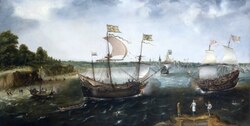
Despite the legal protection, the line between privateering and piracy remained blurry. Commissions were sometimes issued hastily, or captains ignored the limits of their authority. If a privateer continued to raid after their commission expired or after a peace treaty was signed, they were often prosecuted as pirates.
Global History of Commerce Raiding
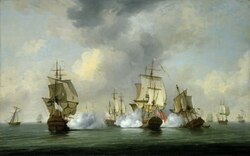
Privateers were central to maritime military force during the 17th and 18th centuries. During the first Anglo-Dutch War, English privateers captured over 1,000 Dutch merchant ships. In retaliation, Spanish and Flemish privateers, including the Dunkirkers, captured 1,500 English vessels.
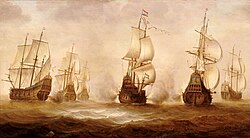
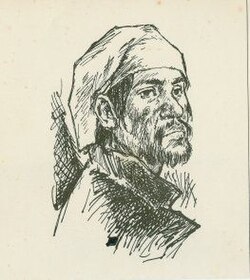
Other nations utilized privateers with equal fervor. The Ottoman Empire employed figures like Hayreddin Barbarossa, while France relied on captains like Jean Bart to devastate English and Dutch shipping. During the Nine Years War, France's aggressive privateering policy resulted in the loss of roughly 4,000 English merchant ships.
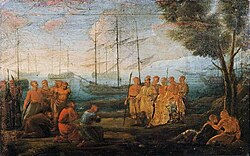
Notable Privateers Across Empires
Many privateers achieved legendary status and were viewed as legitimate patriots by their respective governments:
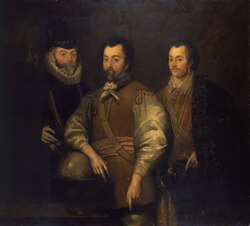
- England: Sir Francis Drake, Sir John Hawkins, and Jonathan Barnet.
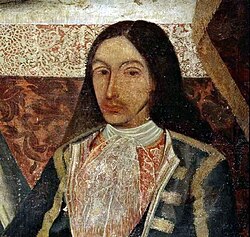
- Spain: Amaro Pargo, Miguel Enríquez, and Juana Larando.
- France: Robert Surcouf and Jean Bart.
- Other Nations: Lars Gathenhielm (Sweden) and Pieter van der Does (Netherlands).
Regional Case Studies
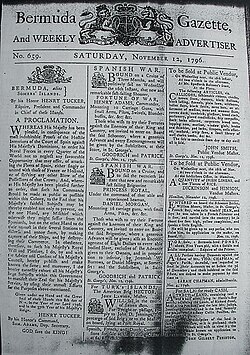
Bermuda's Privateering Legacy
Bermuda became a hub for privateering, particularly during conflicts over the Turks Islands and the salt trade. In 1701, Governor Benjamin Bennett issued letters of marque in response to the seizure of the sloop Seaflower by Bahamians. The island's privateers were remarkably active; between April 4, 1782, and April 4, 1783, 130 prizes were brought into Bermuda.
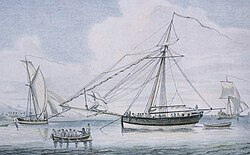
Interestingly, some privateer crews consisted of enslaved Black men. When the Americans captured the privateer Regulator, 70 enslaved crew members chose to be treated as prisoners of war rather than accept freedom offered by Boston authorities.
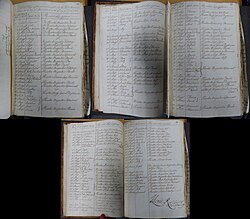
The American Experience
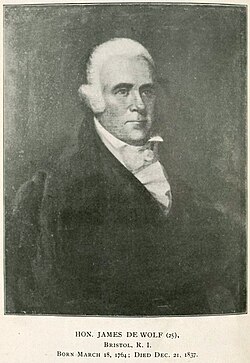
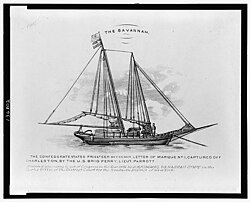
During the American Revolutionary War, privateering was a vital economic lifeline. Prominent families, such as the Browns of Providence, financed these ventures. In 1776 alone, privateering reportedly earned Rhode Island £300,000 sterling.
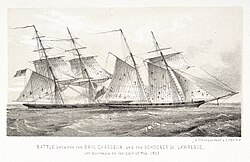
The War of 1812 saw a massive surge in activity. President Madison issued 500 letters of marque. The Baltimore clipper Chasseur, commanded by Captain Thomas Boyle, captured over 50 British ships, causing an estimated $1.5 million in damages. Overall, American privateers were more successful than the US Navy, claiming three-quarters of the 1,600 British merchant ships taken during the war.
The Decline and Abolition of Privateering
The Industrial Revolution rendered privateering obsolete. Modern warships became faster than merchant ships, and states began to centralize military control, creating a monopoly on violence. The 1856 Declaration of Paris officially abolished privateering among major European powers.
While the United States did not sign the Declaration due to disagreements over the protection of private property at sea, it ceased issuing letters of marque in subsequent conflicts. The last major power to utilize a similar system was Prussia during the 1870 Franco-Prussian War, which created a "volunteer navy" of privately owned ships subject to naval discipline.

| Feature | Privateering | Piracy |
|---|---|---|
| Authorization | Letter of Marque (Government Commission) | None (Unauthorized) |
| Legal Status | Legal combatant during wartime | Criminal/Outlaw |
| Profit Distribution | Divided via Prize Law (Sponsors, Crew, State) | Divided among the pirate crew |
| End Goal | Commerce raiding to weaken enemy states | Personal enrichment |
Frequently Asked Questions
What is a letter of marque?
A letter of marque is a government-issued commission that authorizes a private person or vessel to attack and capture enemy shipping during a time of war, effectively legalizing what would otherwise be piracy.
How did privateers make money?
Privateers captured enemy ships, known as prizes. These ships and their cargo were sold under prize law, and the proceeds were divided by percentage between the ship's sponsors, owners, captains, and crew, with a share often going to the issuing sovereign.
Was there a difference between a privateer and a buccaneer?
While both engaged in sea raiding, a privateer operated under a legal commission from a state. Buccaneering often blurred these lines, but strictly speaking, any raider without a valid commission was considered a pirate.
Why was privateering abolished?
Privateering declined as modern states centralized military power and developed professional navies. The 1856 Declaration of Paris formally abolished the practice among European powers to stabilize international trade and establish a state monopoly on maritime violence.
Did the United States ever use privateers?
Yes, extensively. During the American Revolutionary War and the War of 1812, the US issued hundreds of letters of marque. In the War of 1812, privateers were responsible for the vast majority of British merchant ships captured by the Americans.