Predation: The Dynamics of Predator-Prey Interactions
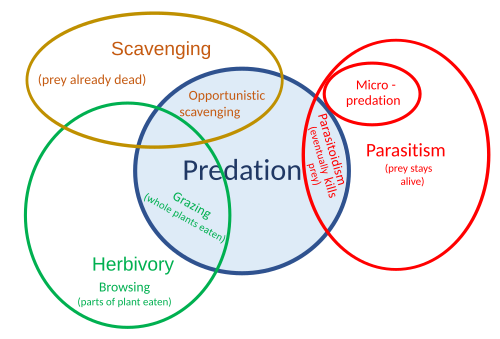
In the natural world, predation is a fundamental biological interaction where one organism, the predator, kills and consumes another organism, known as the prey. This relationship is a cornerstone of ecosystem stability and a primary driver of evolutionary change. While often viewed simply as a hunt, predation is part of a broader family of feeding behaviors that includes parasitism, micropredation, and parasitoidism.
Unlike scavenging, which involves feeding on animals that are already dead, predation requires the active capture of live prey. Interestingly, predation overlaps with herbivory in cases where animals act as seed predators or destructive frugivores (fruit-eaters).
Key Facts
- Predation is defined by the predator killing and eating its prey.
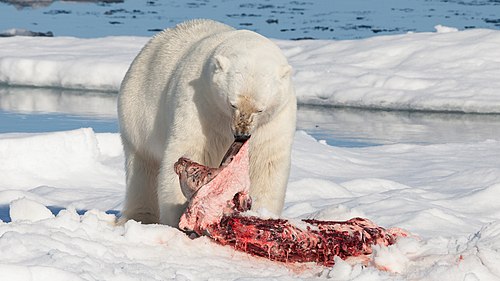
- Pursuit predators actively search for and chase prey, while ambush predators rely on stealth and surprise.
- Apex predators sit at the top of the food chain and help maintain biodiversity by regulating prey populations.
- Coevolution occurs when predators and prey evolve reciprocal adaptations, often described as a biological "arms race."
- Keystone species, such as wolves, can trigger trophic cascades that restore entire ecosystems.
Hunting Strategies and Foraging
Predatory behavior varies wildly across the animal kingdom. Most obligate carnivores—animals that must eat meat to survive—have evolved highly specialized strategies to maximize their hunting efficiency.
Pursuit vs. Ambush
Pursuit predation involves an active search and a high-energy chase. In contrast, ambush predators wait for prey to enter their strike zone, often employing aggressive mimicry (pretending to be something harmless) or stealth to get close enough for a lethal attack.
The Foraging Cycle
Foraging is the process of searching for and exploiting food resources. This typically follows a cycle of searching, assessing the quality of the prey, capturing it, and finally handling it for consumption.
![A basic foraging cycle for a predator, with some variations indicated[25]](/images/57/dc/57dc293d20f40580531453eb64337f50d994632708d49169635720c2c852f487.webp)
Social Predation
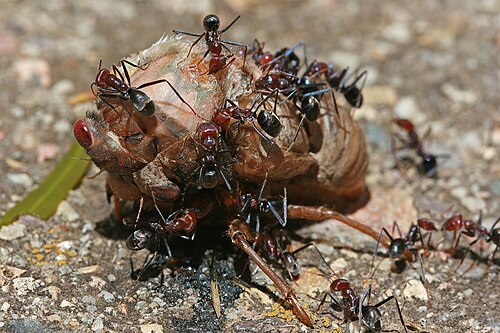
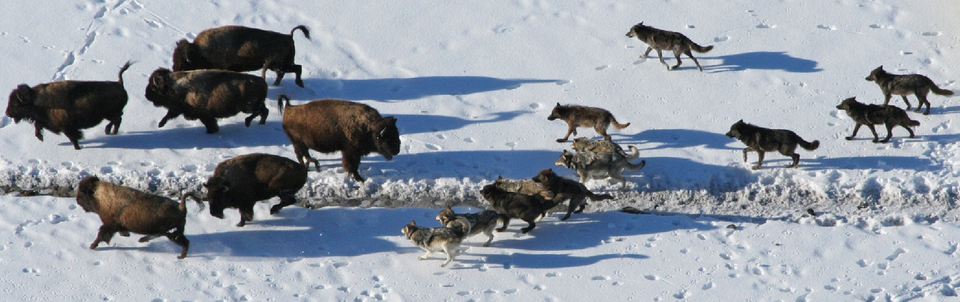
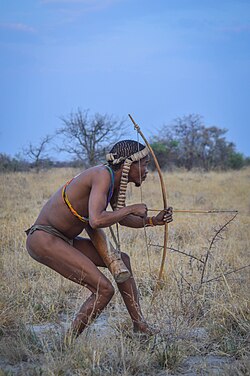
While many predators hunt alone, some utilize social cooperation to take down prey that would be impossible to kill individually. This collaborative behavior allows smaller animals to tackle much larger targets.
Biological Adaptations for the Hunt
To succeed, predators evolve a suite of physical and physiological tools. These adaptations are often mirrored by the prey's own defenses, leading to a continuous cycle of evolutionary improvement.
Sensory and Physical Tools
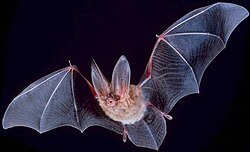
- Acute Senses: Enhanced vision, hearing, and smell are critical for detecting prey. For example, bats use echolocation (emitting sound waves to locate objects) to hunt moths in total darkness.
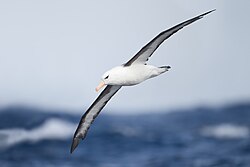
- Weaponry: Sharp claws, powerful jaws, and hooked beaks are used to grip and kill.
- Specialized Anatomy: Some predators, like the Indian python, can unhinge their jaws to swallow prey larger than their own heads.
Chemical and Electrical Warfare
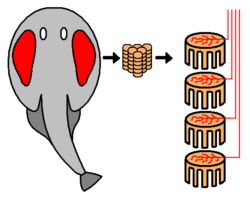
Not all predators rely on brute strength. Some use venom to paralyze or kill their prey. Others, such as the electric ray, utilize specialized electrocytes to generate electric fields that stun their targets.
Ecological Impact and Population Dynamics
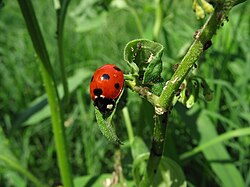
Predation is not merely about the death of an individual; it regulates the health of entire biological communities. Predators occupy specific trophic levels (positions in a food chain), and those at the top—apex predators—exert a powerful influence on the environment.
Maintaining Biodiversity
By preventing a single prey species from dominating an ecosystem, apex predators maintain biodiversity. A classic example is the reintroduction of wolves to Yellowstone National Park, which acted as a keystone species to restore riparian willow growth by controlling elk populations.
![Riparian willow recovery at Blacktail Creek, Yellowstone National Park, after reintroduction of wolves, the local keystone species and apex predator.[135] Left, in 2002; right, in 2015](/images/90/0a/900a031311476b8c6630c016000ed8c68e3a2971c118f2bbbf751fcb1da29ed5.jpg)
Population Cycles
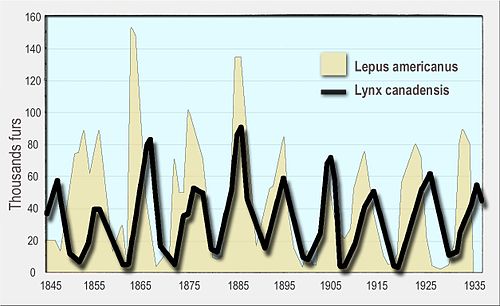
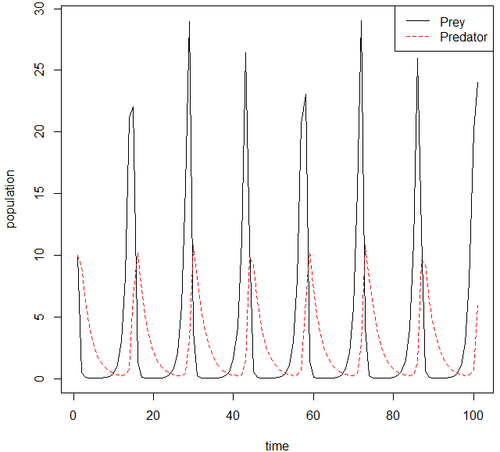
Predator and prey populations often fluctuate in linked cycles. As prey numbers increase, predators have more food and their population grows. Eventually, the increased predation causes the prey population to crash, which in turn leads to a decline in predators due to starvation.
| Strategy | Primary Method | Example Organism | Key Adaptation |
|---|---|---|---|
| Pursuit | Active chase | Wolf / Polar Bear | Endurance and speed |
| Ambush | Stealth/Waiting | Crab Spider | Camouflage |
| Social | Cooperation | Meat Ants | Communication |
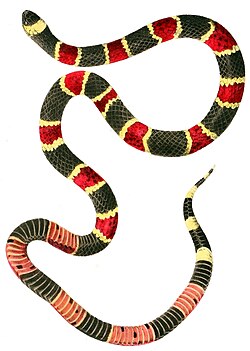
| Chemical | Toxins/Venom | Coral Snake | Venom glands |
Frequently Asked Questions
What is the difference between a predator and a parasitoid?
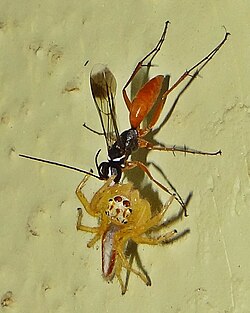
A predator kills its prey immediately or shortly after capture to eat it. A parasitoid, such as a spider wasp, lays eggs inside a host; the larvae feed on the host over time, eventually killing it.
How do apex predators help the environment?
Apex predators maintain the balance of an ecosystem by controlling the populations of smaller predators and herbivores, which prevents overgrazing and promotes higher overall biodiversity.
What is an "evolutionary arms race" in predation?
This refers to coevolution, where a predator evolves a better way to hunt (e.g., faster speed), and the prey evolves a better way to survive (e.g., better camouflage), forcing the predator to evolve further.
Can a predator also be prey?
Yes, most predators are also prey for something else. Only apex predators occupy the highest trophic level with no natural predators of their own.
What is the "ecology of fear"?
The ecology of fear describes how the mere presence of a predator can change the behavior of prey (such as where they feed), which can have cascading positive effects on the vegetation and landscape.