Portuguese Court Transfer to Brazil: The Strategic Retreat that Shaped a Nation
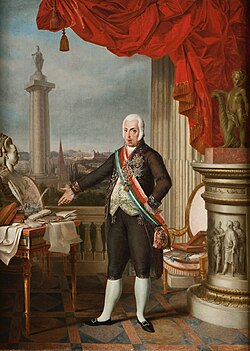
In November 1807, as the shadow of Napoleon Bonaparte's armies stretched across Europe, the Portuguese monarchy faced an existential crisis. To avoid deposition and the collapse of the Braganza dynasty, the royal family executed one of the most unusual strategic retreats in history: relocating the entire seat of government from Lisbon to the colony of Brazil.
This mass migration of nearly 10,000 people—including Queen Maria I, Prince Regent John, and senior officials—did more than just save a monarchy. It fundamentally altered the trajectory of South American history, transforming a sparsely populated colony into the heart of a global empire and paving the way for Brazil's eventual independence.
Key Facts
- Date of Departure: November 29, 1807.
- Scale: Nearly 10,000 people, including the royal family and court officials.
- Primary Cause: The invasion of Portugal by French and Spanish forces.
- Major Outcome: Brazil was elevated from a colony to a co-equal kingdom in 1815.
- Independence: The presence of the court led to Brazil's independence on September 7, 1822.
The Flight from Napoleon
By 1807, Portugal was one of Britain's last remaining allies in Continental Europe. Prince Regent John, who had been the de facto ruler since 1799 due to the mental instability of his mother, Queen Maria I, recognized that the French invasion was inevitable. To preserve the crown, he coordinated a joint Anglo-Portuguese fleet to escort the court across the Atlantic.
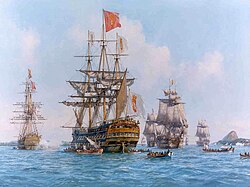
The fleet departed on November 29, 1807, just days before Napoleonic forces officially invaded Portugal on December 1. The escort included the 90-gun Príncipe Real and several British ships of the line, including the Marlborough and London, under the command of Commodore Graham Moore.
Arrival and Economic Transformation
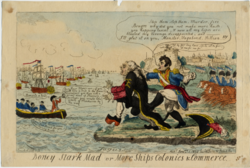
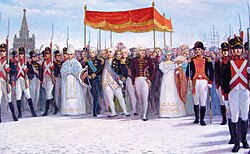
The royal party arrived in Salvador, Brazil, on January 22, 1808. Upon arrival, Prince John immediately signed a decree opening Brazil's ports to "friendly nations." This move was a strategic reward for British military assistance and a pivotal moment in economic history, as it broke the colonial pact—the legal requirement that Brazil trade exclusively with Portugal.
To further modernize the colony, John signed the Alvará de Liberdade para as Indústrias on April 1, 1808. This decree abolished prohibitions on industrial development, allowing Brazil to evolve from a purely agricultural producer into a hub for manufacturing and foreign investment.
Life in the Colony: Nobility and Social Divide
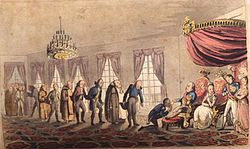
Between 1808 and 1821, the royal family granted 145 titles of nobility—more than they had granted in the previous 300 years in Portugal. However, these honors were used as tools of political control. The vast majority of titles were given to Europeans who had accompanied the court or fought the French.
Brazilians were largely excluded from high nobility; only six Brazilians received titles, and these were typically the lowest rank of baron. To appease the local elite without granting them real power, the crown provided land and seats in the Conselho da Fazenda (Treasury Council).

The Human Cost of Modernization
The economic boom in coffee, sugar, and the new naval and iron industries led to a surge in the demand for slave labor. Approximately 328,000 enslaved individuals were brought to Brazil during and shortly after the court's stay. In Rio de Janeiro, the enslaved population eventually exceeded half of the total population.
Fearing a rebellion similar to the slave revolution in Haiti, the crown established the Guarda Real de Polícia (Royal Police Guard). This marked the beginning of official urban policing in Rio, which often associated poverty and race with criminality.
The Rise of the United Kingdom of Portugal, Brazil and the Algarves
In a bold political move on December 16, 1815, Prince John created the United Kingdom of Portugal, Brazil and the Algarves. This elevated Brazil to the same rank as Portugal, granting it administrative independence and representation in the Portuguese Constitutional Courts. This move was partly intended to increase Portugal's bargaining power during the Congress of Vienna.
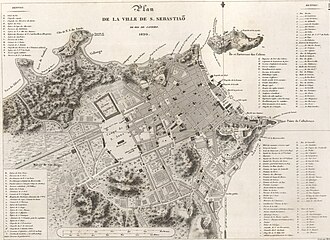
Rio de Janeiro was transformed into a royal capital. The city underwent massive infrastructural upgrades, including the creation of public libraries, botanic gardens, opera houses, and palaces. The goal was to project an image of royal authority and virtue through monumental architecture.
Summary of the Transfer's Impact
| Category | Before Transfer | After Transfer |
|---|---|---|
| Political Status | Colony of Portugal | Co-equal Kingdom (1815) |
| Trade Policy | Colonial Pact (Portugal only) | Open ports to friendly nations |
| Economy | Agricultural/Extractive | Diversified with Manufacturing |
| Rio de Janeiro | Colonial port city | Imperial capital with modern infrastructure |
| Demographics | Sparsely populated interior | Massive influx of immigrants and enslaved people |
The Path to Independence
The royal family's absence from Lisbon eventually triggered a political crisis in Portugal, forcing King John VI to return on April 26, 1821. However, his son, Pedro I, remained in Brazil. Having been raised in Rio de Janeiro, Pedro identified more with the Brazilian people than with the Portuguese Cortes (Parliament).
When the Portuguese government demanded that Brazil return to colonial status and that Pedro return to Europe, he refused on January 9, 1822 (the Dia do Fico). On September 7, 1822, Brazil declared its independence, ending 322 years of Portuguese rule. Pedro was crowned the first Emperor of Brazil on October 12, 1822.
Frequently Asked Questions
Why did the Portuguese court move to Brazil?
The court moved to Brazil to escape the invasion of Portugal by French and Spanish forces under Napoleon Bonaparte, ensuring the survival of the Braganza dynasty.
How did the transfer affect Brazil's economy?
It ended the colonial pact, opening Brazilian ports to international trade (especially with Britain) and allowing the establishment of local manufacturing industries.
What was the United Kingdom of Portugal, Brazil and the Algarves?
Established in 1815, it was a political union that elevated Brazil from a colony to a kingdom equal in status to Portugal.
Who was Dom Pedro I?
The son of King John VI, Pedro I was raised in Brazil and became the first Emperor of Brazil after declaring its independence from Portugal in 1822.
What was the social impact of the court's arrival in Rio de Janeiro?
While it brought cultural and architectural modernization, it also led to a massive increase in the enslaved population and the creation of a formal police force to suppress potential rebellions.