Pop-Punk: The Evolution of a High-Energy Genre
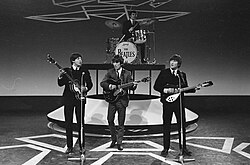
Pop-punk is a high-energy fusion of punk rock and power pop, characterized by its melodic sensibilities and fast tempos. Emerging in the late 1970s across the United States and the United Kingdom, the genre blends the raw aggression of punk with the catchy hooks of pop music. Unlike some of its more abrasive punk variants, pop-punk draws significant influence from 1960s melodic bands, creating a sound that is as accessible as it is energetic.
Key Facts
- Origins: Developed in the late 1970s in the US and UK.
- Core Influence: A blend of punk rock, power pop, and 1960s pop melodies.
- Mainstream Peaks: Experienced major commercial waves in the mid-1990s, early 2000s, and a resurgence in the 2020s.
- Key Subgenres: Includes neon pop-punk, emo pop, and easycore.
- Modern Impact: Recently bridged the gap between the emo rap scene and mainstream rock.
The Early Years: Origins and Underground Growth
The foundations of pop-punk were laid in the late 1970s. The Buzzcocks are widely regarded as one of the primary pioneers of the sound, introducing a more melodic approach to the punk explosion. As the genre moved into the 1980s, it expanded through the underground scene, with bands like the Descendents becoming prominent figures in shaping the 1980s pop-punk identity.
![Buzzcocks are considered one of the pioneers of pop-punk.[20]](/images/6c/5d/6c5d0229a32cf7144d1a5cdd29728df38be3a2732659ec7fa314c768d3f7945f.jpg)
![The Descendents are considered a prominent band of 1980s pop-punk.[20]](/images/f0/b6/f0b639ea3eab9f6b54b95c4c13268dc572dca61fed899e8dc79eb5c0dd455b0f.jpg)
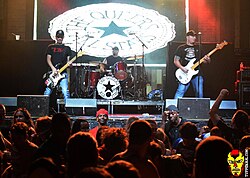
Throughout the late 1980s and early 1990s, the genre continued to grow in the underground, refining its sound before hitting the global stage. Bands like The Queers helped maintain the momentum of this melodic punk movement during this transitional period.
The Mainstream Breakthrough (1994–2004)
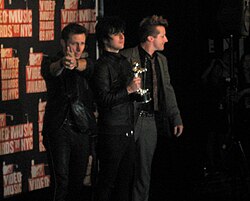
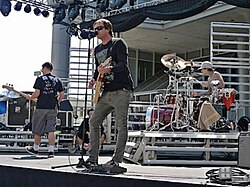
Pop-punk entered the global consciousness in the mid-1990s. Green Day played a pivotal role in this breakthrough, ushering in a wave of mainstream success that brought the genre to millions of listeners. This first wave of popularity was followed by a second mainstream surge between 1997 and 2004, led by acts such as Blink-182.
In the United Kingdom, the genre took on a unique form as bands like Busted and McFly merged pop-punk musicality with boy band aesthetics. Busted's self-titled debut was certified 4× platinum, while McFly's 2004 debut, Room on the 3rd Floor, reached number one on the UK albums chart.
The Rise of the Pop-Punk Icon
The early 2000s also saw the rise of Avril Lavigne, who became a key figure in the genre. Her punk-influenced pop anthems and "anti-starlet" image made her a crossover star, appealing to both mainstream audiences and fringe fans.

The Emo Pop and Neon Era (2004–2010)
By the mid-2000s, the genre evolved into emo pop and later neon pop-punk. Neon pop-punk embraced electronic music and synth-pop elements more heavily than traditional punk. This era was defined by bands like Fall Out Boy, All Time Low, and Metro Station.
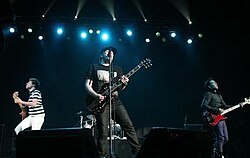
Commercial success remained high during this period. Metro Station's "Shake It" reached number 10 on the Billboard Hot 100, and All Time Low's "Dear Maria, Count Me In" achieved double platinum certification in the US. Other notable acts included The Maine, Cobra Starship, Boys Like Girls, and Forever the Sickest Kids.
Decline and the Modern Resurgence
After a period of declining mainstream popularity in the 2010s, the genre experienced an underground revival between 2012 and 2016. This set the stage for a full-scale mainstream resurgence starting in 2020.
Machine Gun Kelly is credited with leading this revival. His 2020 album, Tickets to My Downfall, debuted at number one on the Billboard 200, marking the first rock album to top the chart since 2019. The album is noted for bridging the gap between the modern pop-punk scene and the emo rap movement.
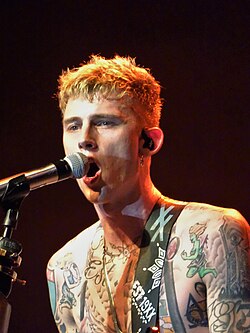
The influence of the genre continues to permeate modern pop music, seen in the work of artists like Olivia Rodrigo (e.g., "Bad Idea Right?") and the return of Cassadee Pope to her pop-punk roots in 2023.
Offshoots and Subgenres
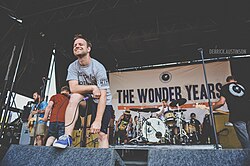
Pop-punk has branched into several distinct styles:
- Easycore: A fusion of pop-punk and metalcore (also known as popcore or dudecore), emerging in the 2000s.
- Neon Pop-Punk: A blend of pop-punk and synth-pop, characterized by a more polished, electronic sound.
- Emo Pop: A melodic variation that emphasizes emotional lyrics and pop structures.
| Era | Key Characteristics | Notable Artists |
|---|---|---|
| Origins (1970s-80s) | Melodic punk, underground growth | Buzzcocks, Descendents |
| Mainstream Wave (1994-2004) | Global commercial breakthrough | Green Day, Blink-182, Avril Lavigne |
| Neon/Emo Era (2004-2010) | Electronic elements, synth-pop fusion | Fall Out Boy, All Time Low, Metro Station |
| Modern Revival (2020-Present) | Fusion with emo rap, Gen Z influence | Machine Gun Kelly, Olivia Rodrigo |
Frequently Asked Questions
What is the difference between pop-punk and traditional punk?
Pop-punk is more melodic and draws more heavily from 1960s pop and power pop, whereas traditional punk often focuses more on raw aggression and political themes with less emphasis on catchy hooks.
What is neon pop-punk?
Neon pop-punk is a subgenre from the 2000s that incorporates elements of synth-pop and electronic music, creating a more polished and "bright" sound than traditional pop-punk.
Who is credited with the 2020s pop-punk revival?
Machine Gun Kelly is widely credited with leading the revival, particularly with his album Tickets to My Downfall, which bridged the gap between emo rap and mainstream rock.
What is easycore?
Easycore (also called popcore) is a fusion genre that combines the melodic nature of pop-punk with the heavier elements of metalcore.
Which bands pioneered the genre?
The Buzzcocks are considered among the earliest pioneers, while the Descendents were instrumental in the genre's development during the 1980s.